
This post may contain affiliate links or sponsored content. That means if you click on my link and buy something, I will earn a small commission from the advertiser at no additional cost to you. For more information, see our disclosure policy.
This Italian Antipasto Salad is everything you love about a traditional Italian antipasto platter, tossed together in one big, colorful, flavor-packed salad! Loaded with Italian cured meats, cheeses, olives, artichokes, roasted peppers and lots of other goodies, it’s finished with a simple red wine vinaigrette. There’s absolutely NO cooking involved, it’s perfect for making ahead and can be served with or without fresh greens. A real crowd-pleaser for holidays, parties and gatherings of all kinds!
Keep In Mind Before You Start . . .
- No cooking required! Just some chopping, draining and assembling.
- Keep the cuts rustic—a mix of cubes, strips, wedges and whole olives.
- Prep ahead! Add the mozzarella and dressing just before serving.
- Make it your own! Serve with or without fresh greens and vegetables.
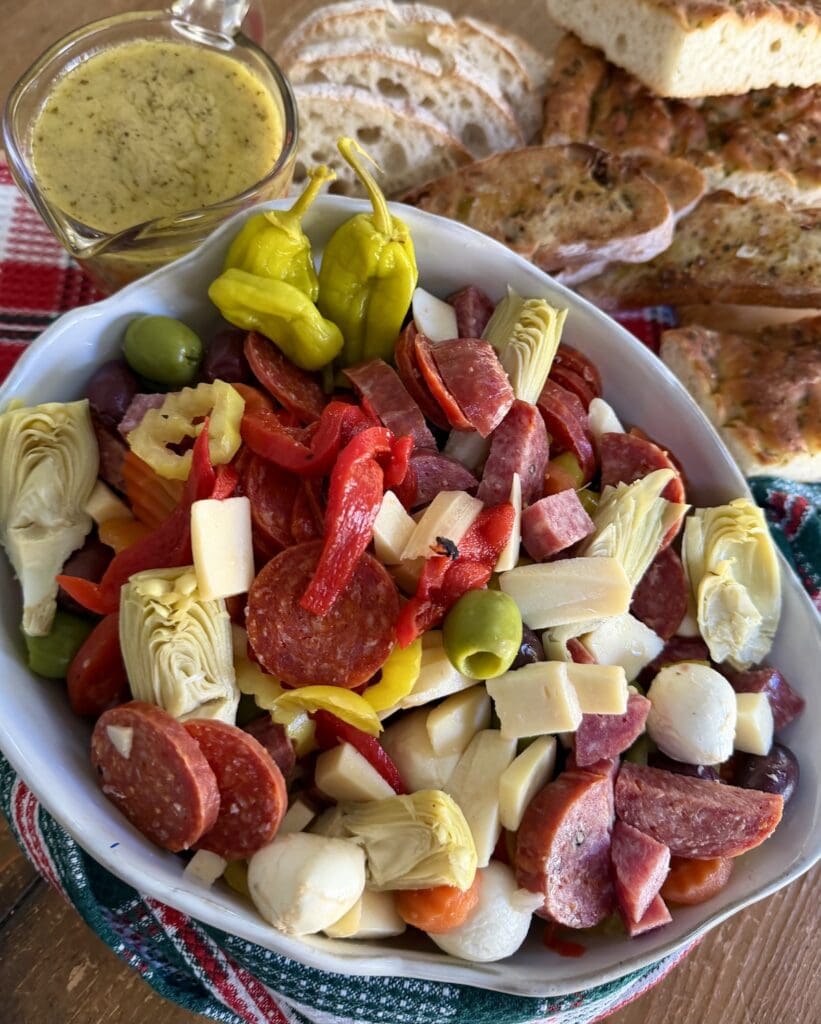
Everything I Love About an Antipasto Platter—in a Salad!
If there’s one thing I’ve learned from all the parties and holidays I’ve hosted over the years, it’s that no matter how many wonderful dishes are on the table, the antipasto platter is ALWAYS one of the first things to disappear!
Seriously. Every. Single. Time.
There’s just something about a beautiful assortment of Italian cured meats, cheeses, olives, artichokes, roasted peppers and all those other delicious little bites that people can’t resist.
And, let’s face it, cured meats and cheeses aren’t necessarily foods that most of us eat every day. But when the holidays roll around, or we’re celebrating something special, we tend to give ourselves permission to indulge a little. And I’m all for that!
So, I thought, why not take everything I love about a traditional Italian antipasto platter and turn it into one big, colorful salad?
And that’s exactly what this Italian Antipasto Salad is!
It’s basically an easier, less time-consuming way to enjoy all those wonderful antipasto flavors without having to arrange an elaborate platter. And, since everything is already cut into bite-size pieces, it’s so easy for everyone to help themselves.
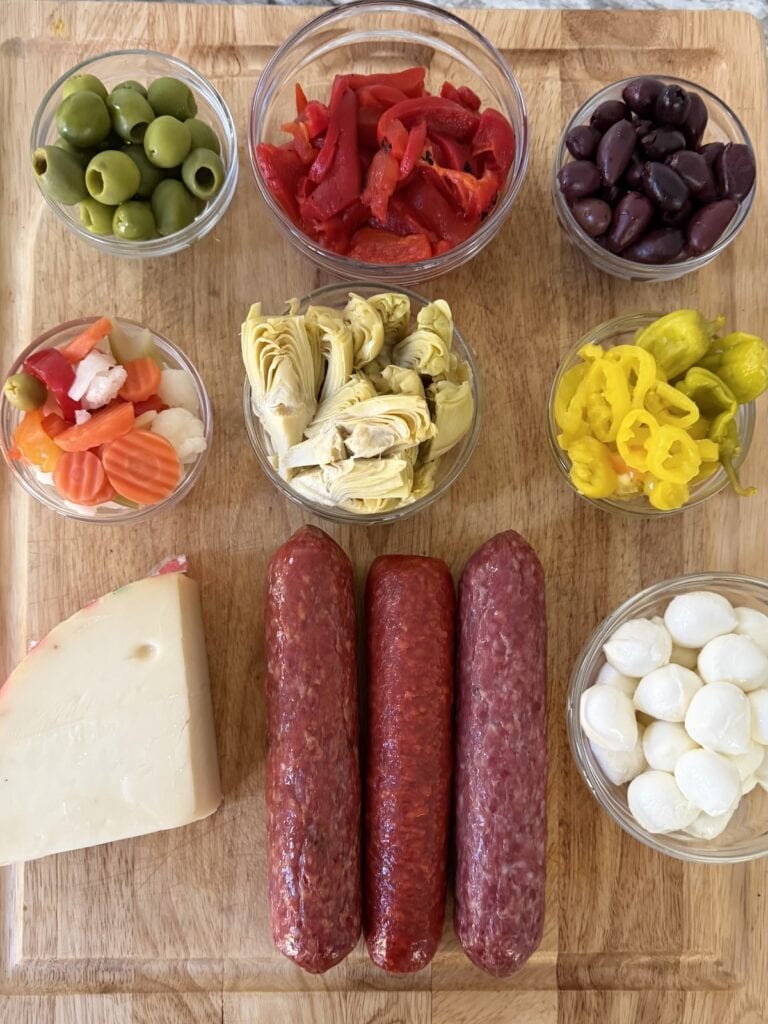
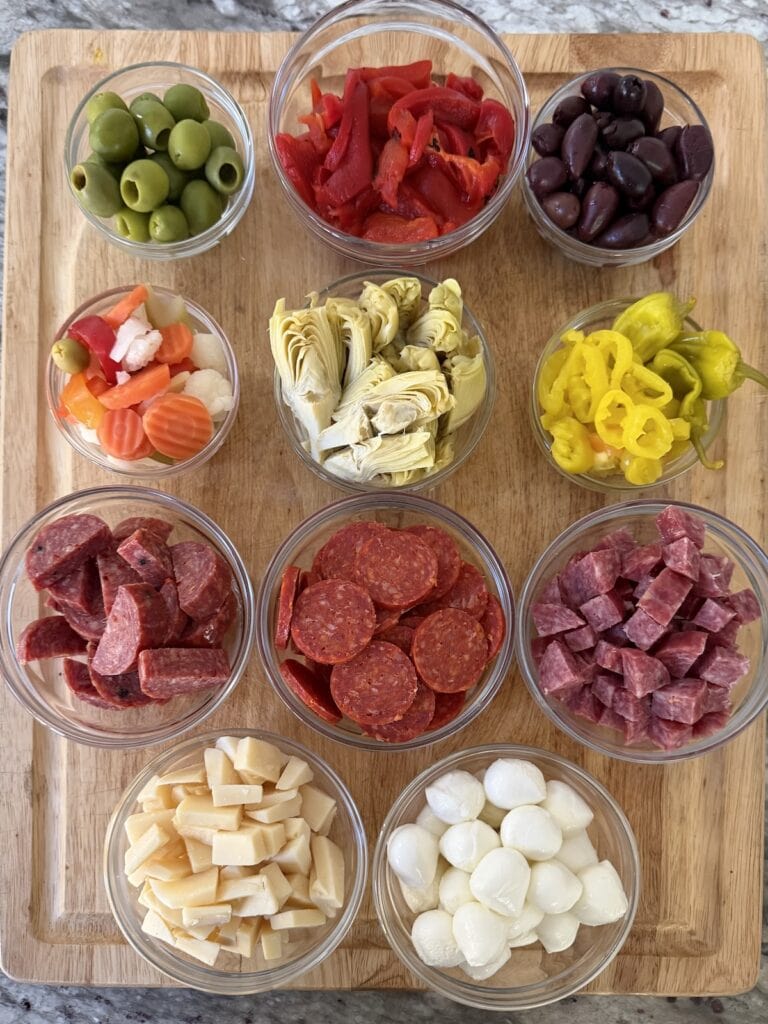
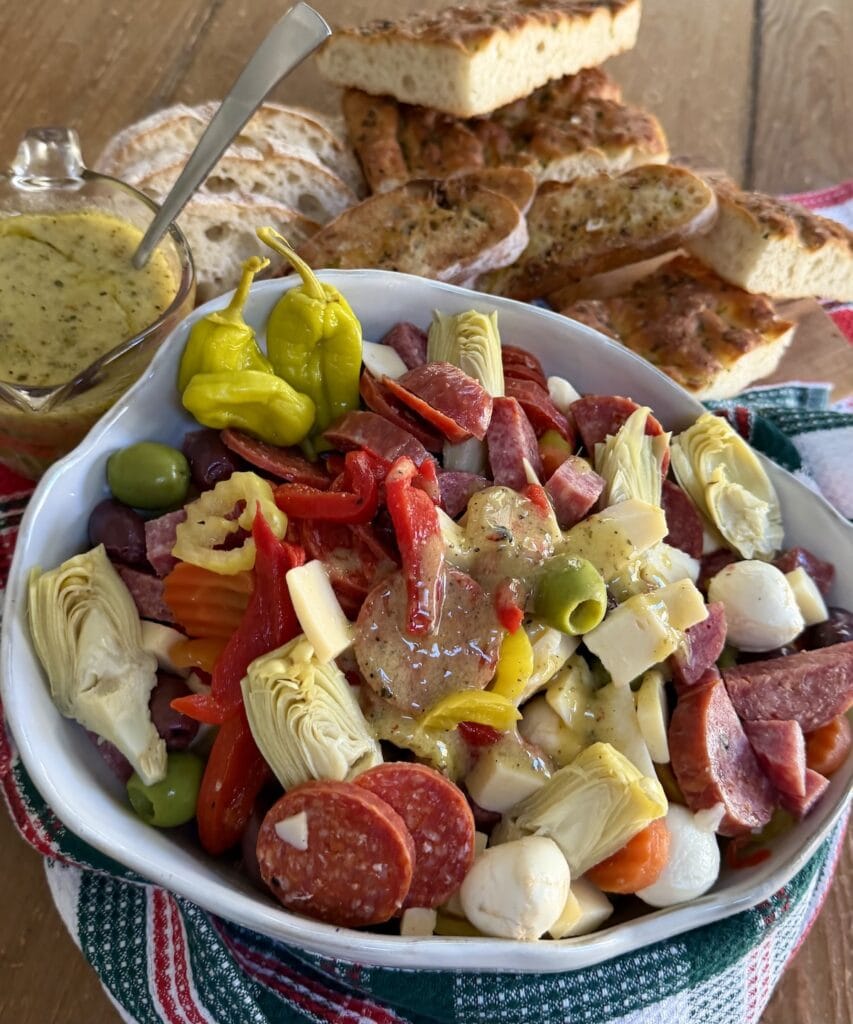
For this version, I used three different Italian cured meats—Genoa salami, hot soppressata and good old-fashioned pepperoni—along with sharp provolone, little fresh mozzarella balls, two types of olives, artichoke hearts, roasted red peppers and a few other briny and tangy favorites.
The assortment of ingredients is what makes this salad so special. There are so many different flavors, textures, shapes and colors in every bowl! And a simple red wine vinaigrette brings everything together without overpowering all those delicious ingredients.
And here’s what I especially love about this recipe: There’s no one right way to serve it!
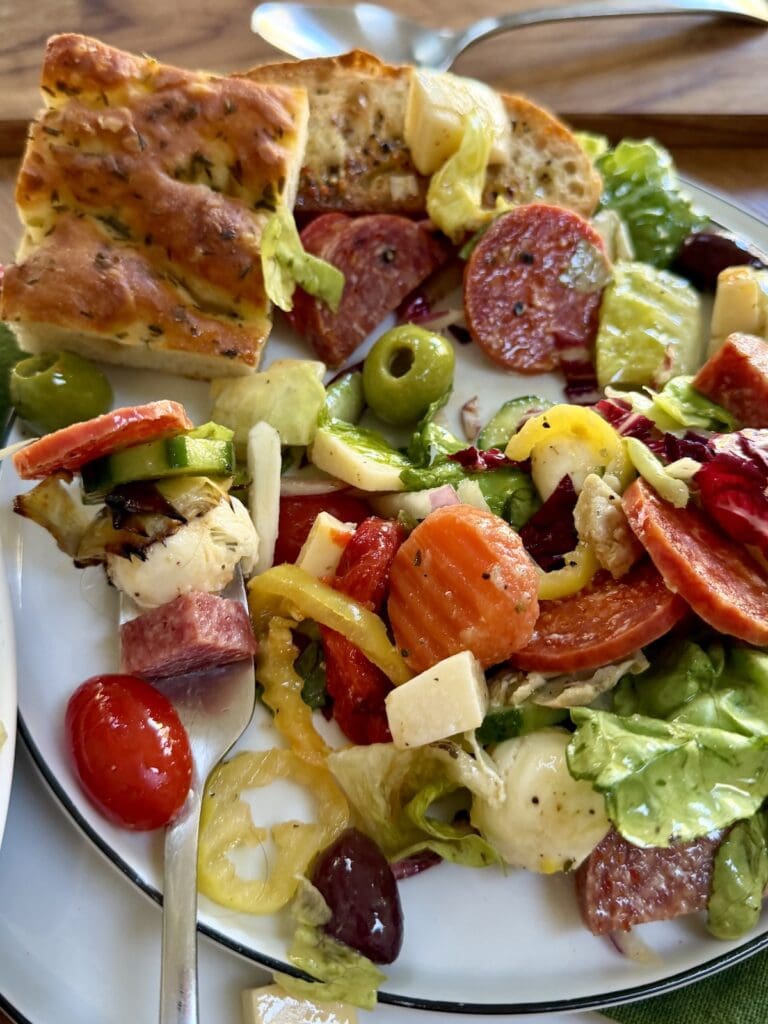
Keep it as a hearty antipasto salad without lettuce, add crisp greens and fresh vegetables for a more traditional salad, or serve the components separately and let everyone make their own combinations.
Best of all, there’s absolutely NO cooking involved! Yes, there’s some shopping, draining and chopping to do, but almost everything can be purchased ready to use.
And you can get most of the preparation done a day or two before your party, which is a huge bonus when you’re entertaining and have lots of other dishes to prepare.
This recipe makes a generous amount, perfect for a crowd at Thanksgiving, Christmas, New Year’s or any other get-together. But you can easily cut everything in half for a smaller Sunday dinner, too!
And, if you love Italian cured meats and cheeses as much as I do, be sure to check out my Antipasto Tortellini Pasta Salad, which combines many of these same wonderful flavors with cheese tortellini, and my Italian Easter Meat Pie (Pizzagaina), another delicious Italian-American tradition that’s absolutely loaded with cured meats and cheeses!
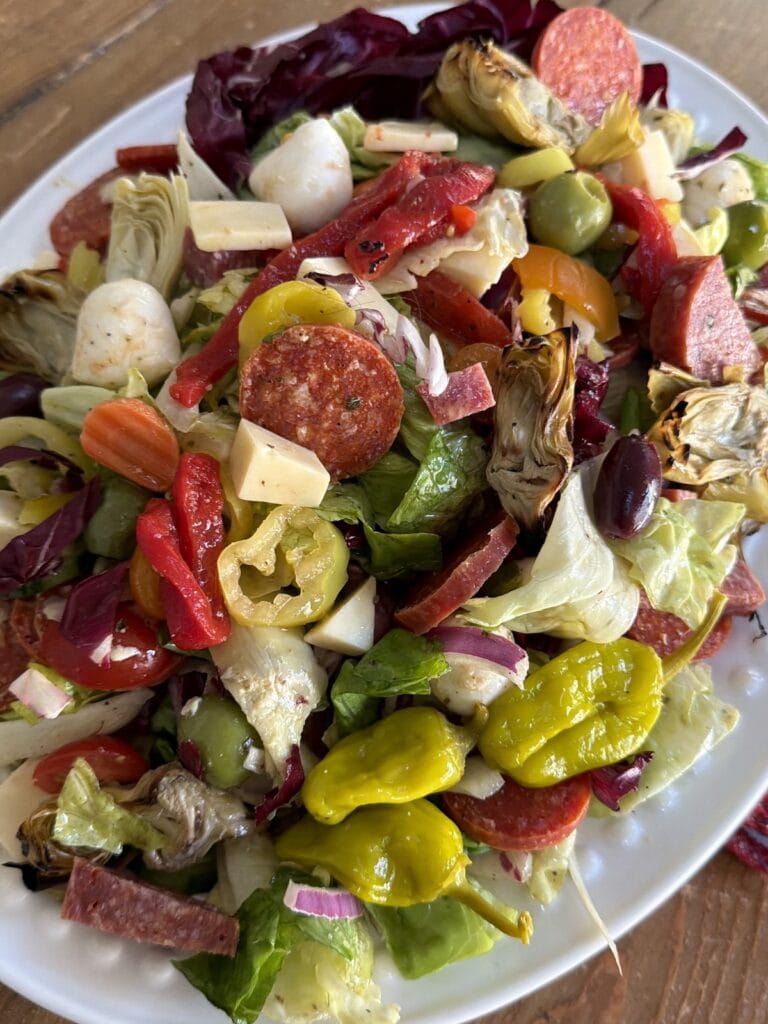
What’s the Difference Between Antipasto and Charcuterie?
Have you noticed how almost every meat and cheese platter seems to be called a “charcuterie board” these days?
Traditionally, antipasto is the Italian first course served before a meal and can include cured meats, cheeses, olives, marinated vegetables and all sorts of other delicious little bites.
Charcuterie, on the other hand, is a French term that originally referred to the preparation and preservation of meats, particularly pork products like sausages, pâtés and cured meats.
Over time, especially with the growing popularity of elaborate boards and platters for entertaining, “charcuterie board” has become a catchall term for all kinds of assortments that may include meats, cheeses, crackers, fruit, nuts and more.
The two certainly overlap, but when I see a platter loaded with Italian salumi, sharp provolone, olives, artichokes and roasted peppers, I still think of it as antipasto!
And this Italian Antipasto Salad is essentially all those wonderful flavors tossed together in one bowl. You could even call it an Italian charcuterie salad!
Ingredients and Substitutions
Like my String Bean Salad, think of the ingredient amounts in this recipe more as guidelines than strict rules you need to follow.
The variety of ingredients is part of what makes this salad so special, but there’s lots of flexibility! Use more of the ingredients you love, less of the ones you don’t, and substitute based on what’s available.
Here are a few notes about the main ingredients:
- Cured Meats: I used a combination of Genoa salami, hot soppressata and pepperoni, but you can use one, two or three varieties. Fennel salami (finocchiona), sweet soppressata, capicola and other Italian cured meats are all delicious options. Just aim for about one pound total.
- Sharp Provolone: This is one cheese I wouldn’t skip! Its sharp, tangy flavor works beautifully with the meats, olives and pickled vegetables. Buy a larger piece or thick slab rather than thin deli slices so you can cut it into rustic chunks.
- Fresh Mozzarella: I love using little plain mozzarella balls, called ciliegine, for their mild, creamy flavor and pretty round shape. There’s no chopping involved! Keep them refrigerated in their original packing liquid until serving day, then drain well and gently pat dry. Smaller perline are another option.
- Artichoke Hearts: Choose plain artichoke hearts packed in water or brine rather than the seasoned, oil-marinated variety. Drain thoroughly and cut into halves or quarters. Roasted artichoke hearts are another delicious option if you have a little extra time.
- Olives: I like a combination of mild, buttery Castelvetrano olives and tangy Kalamata olives for contrasting flavors and colors. Black oil-cured olives are another wonderful option if you prefer a more intense, savory flavor. Be sure they’re pitted.
- Roasted Red Peppers: Jarred roasted red peppers add sweetness and beautiful color. Choose those packed in water or brine rather than oil, drain well and cut into rustic strips.
- Giardiniera and Pepperoncini or Banana Peppers: These bring crunch, acidity and lots of briny flavor. Use your favorite brands and adjust the quantities to taste. Pickled hot cherry peppers are another delicious option, especially if you like some extra heat.
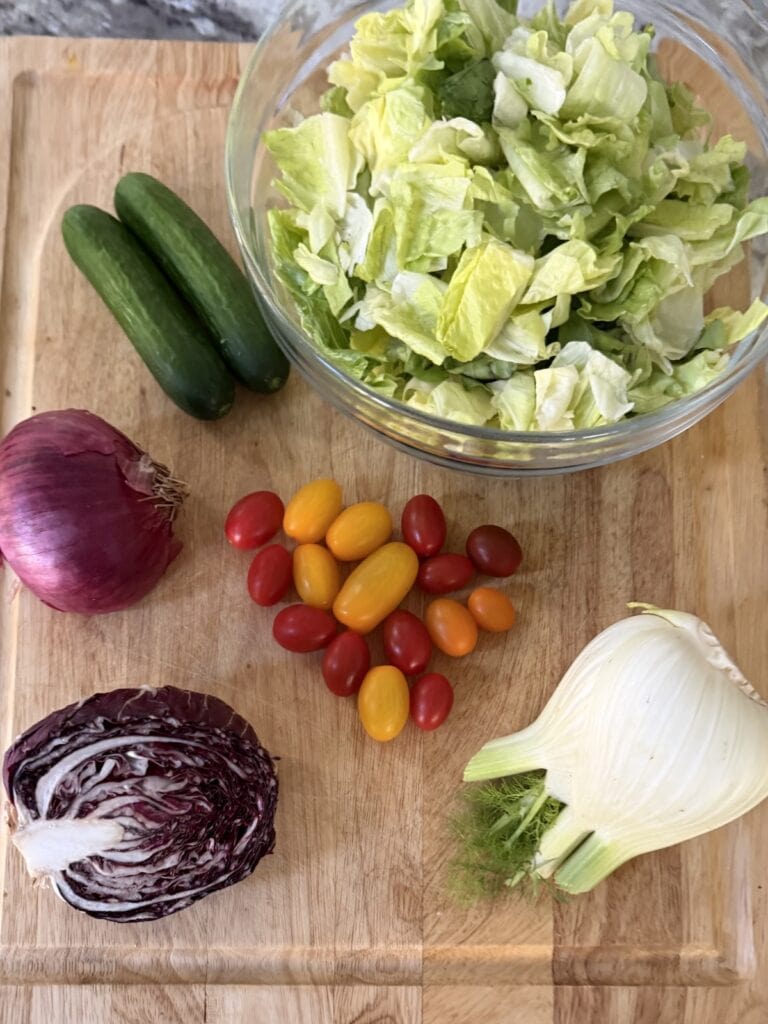
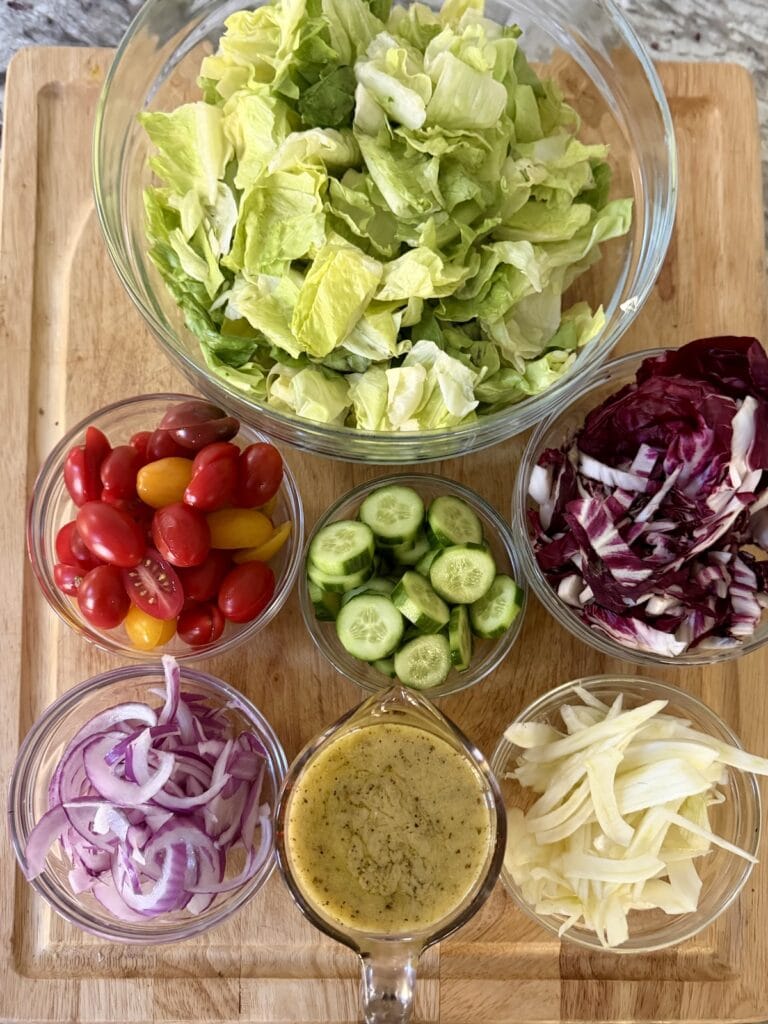
- Optional Fresh Vegetables: For a more traditional salad, add your favorite lettuce, grape or cherry tomatoes and any other fresh vegetables you enjoy. Radicchio, cucumbers, red onion and thinly shaved fennel are all great options. I used a combination of romaine and butter lettuces, but you certainly don’t have to include every vegetable listed!
- Red Wine Vinaigrette: A simple combination of extra virgin olive oil, red wine vinegar, Dijon mustard, dried oregano, dried basil and a few pantry seasonings brings everything together. There’s intentionally no salt in the dressing because the cured meats, olives and pickled vegetables already provide plenty. Add the vinaigrette gradually or serve it on the side.
A Note About Buying and Cutting the Meats and Cheeses
When shopping for this salad, look for small, whole logs of salami and soppressata rather than packages of very thinly sliced deli meats. They’re readily available in many supermarkets and are perfect for cutting into thick slices, cubes, wedges or half-moons.
- You can also ask the person at the deli counter for thick slabs or larger pieces of cured meats and cheeses.
- The idea is to create a rustic mix of different shapes and sizes—not to chop everything into tiny, uniform pieces.
- I like smaller chunks of cured meat, slightly larger cubes and irregular pieces of sharp provolone, whole mozzarella balls, artichoke wedges, roasted pepper strips and whole or halved olives.
- Not only does this give the salad lots of interesting textures, but it also makes for a beautiful presentation!
- And don’t forget to check the casings on whole salami and soppressata before cutting. Some are edible, but others need to be removed. See the FAQ below for more details.
How to Make Italian Antipasto Salad
This salad is mostly a matter of chopping, draining and assembling. Here are the basic steps. See the recipe card below for more detailed instructions and measurements.
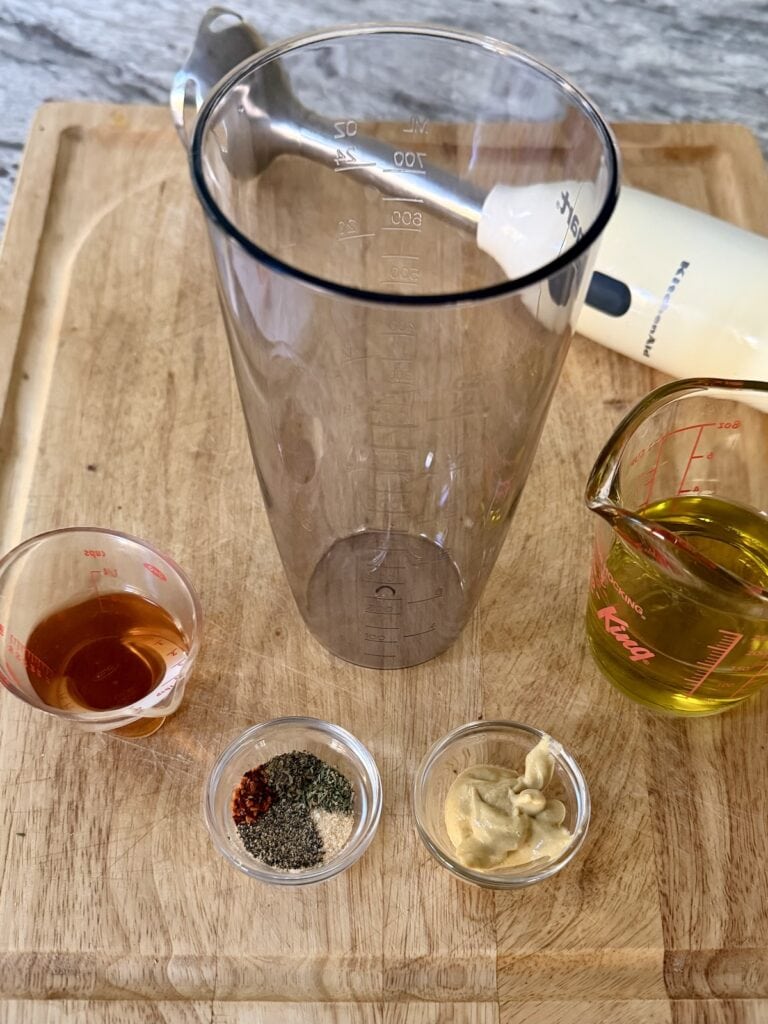
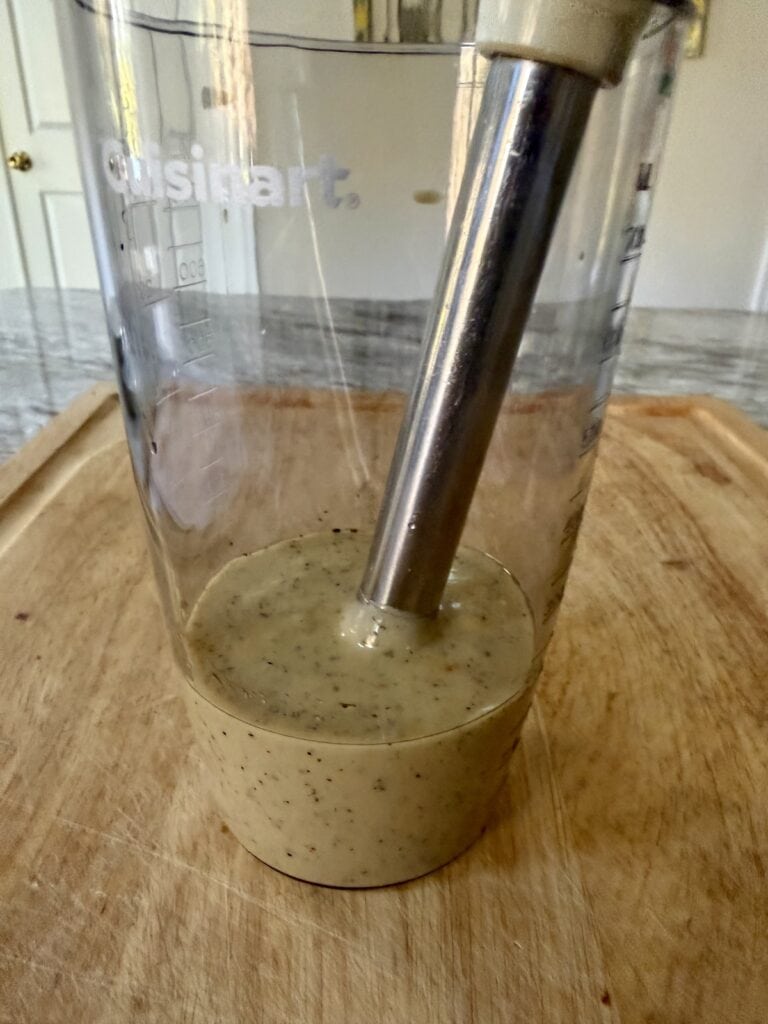
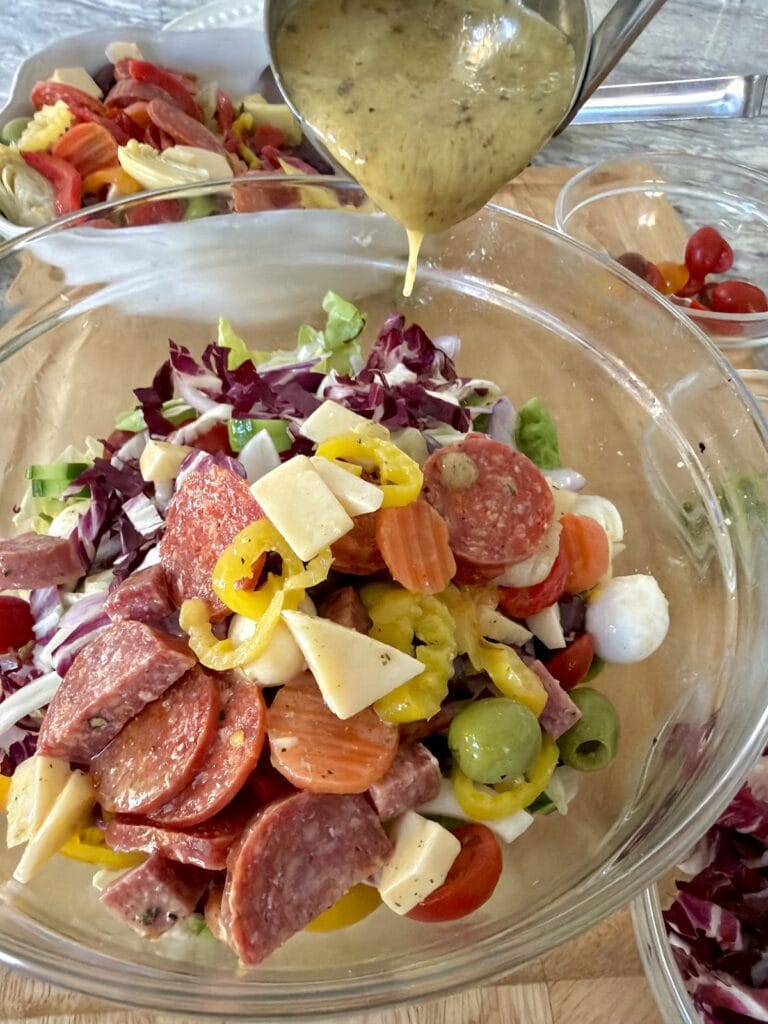
- Prepare red wine vinaigrette. Whisk, blend or shake together the olive oil, vinegar, Dijon mustard, dried herbs and seasonings.
- Cut cured meats and sharp provolone. Use a variety of rustic, bite-size pieces, including slices, cubes, half-moons and irregular chunks.
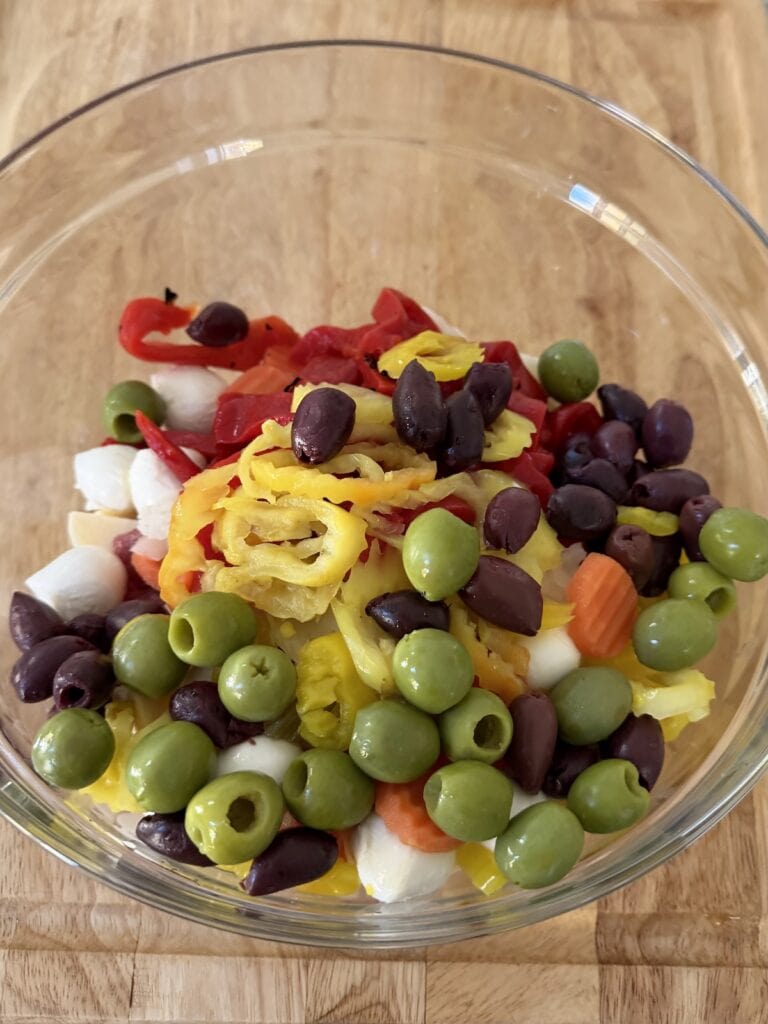
- Drain and prepare jarred ingredients. Cut larger pieces into manageable sizes.
- Combine antipasto base. Gently toss the cured meats, provolone, olives and peppers together. Fold in the artichoke hearts last, or arrange them over the top, so they don’t break apart. Just before serving, drain and gently dry the fresh mozzarella balls, then add them to the antipasto mixture.
- Prepare optional fresh vegetables. Wash and thoroughly dry the lettuce, halve the tomatoes and prepare any other fresh vegetables you’re including.
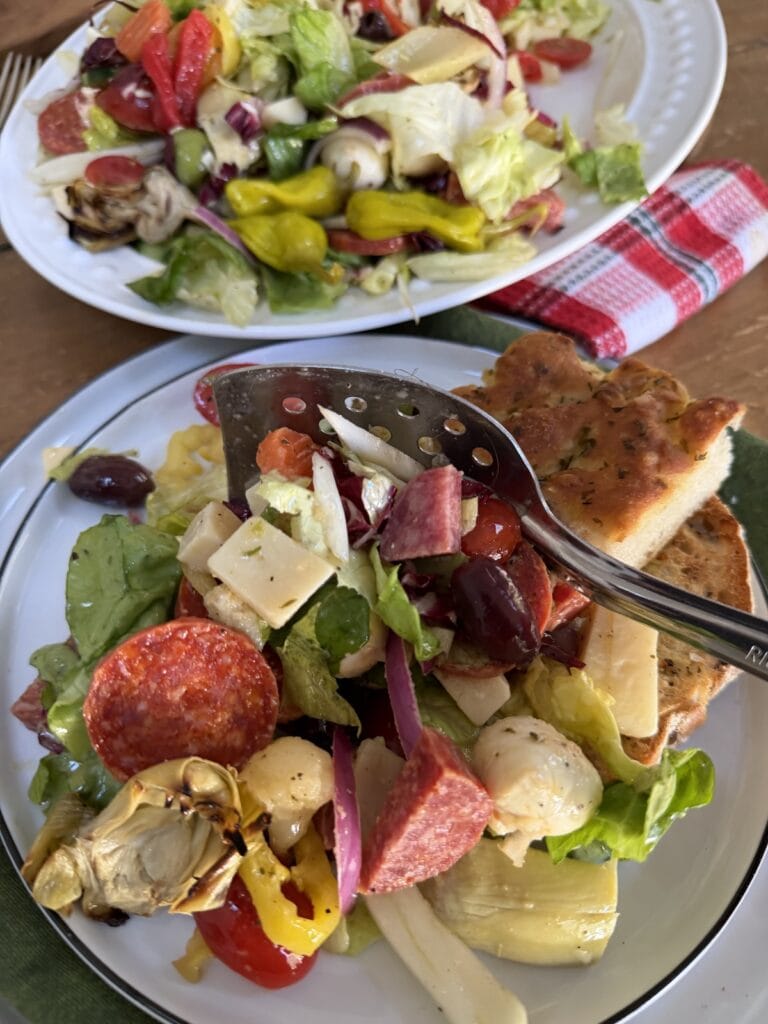
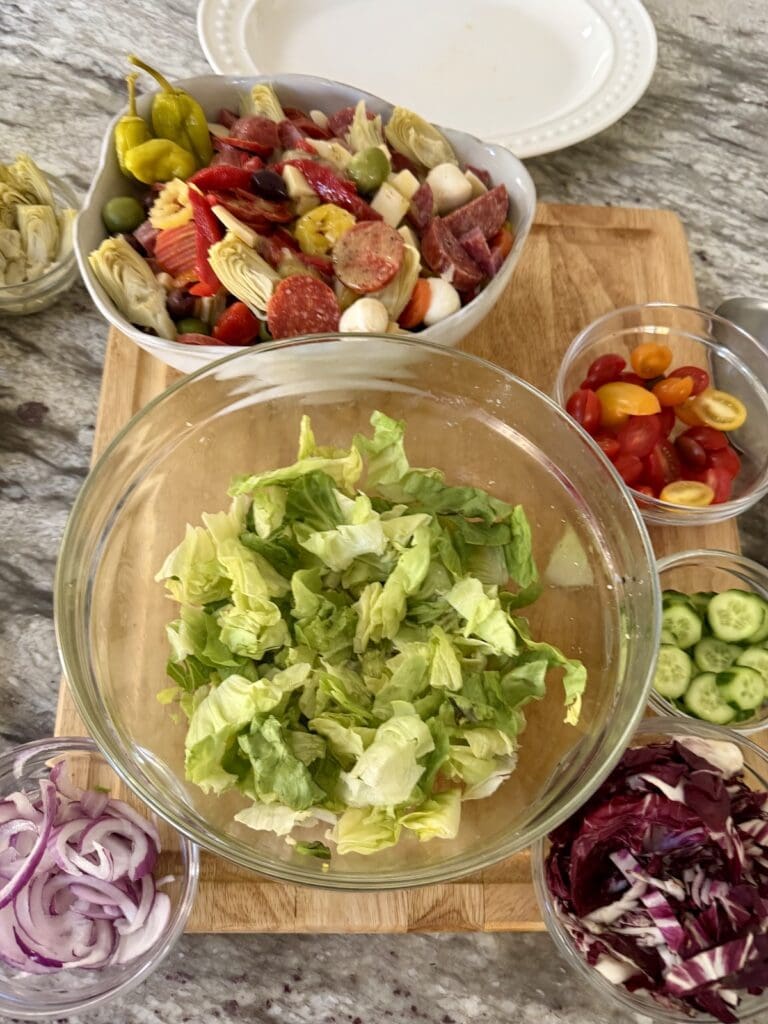
- Dress and serve as you prefer! Toss the antipasto base with a little vinaigrette, combine everything with the fresh vegetables, or serve the components and dressing separately so everyone can help themselves.
How to Serve Italian Antipasto Salad
One of my favorite things about this recipe is how versatile it is. For a smaller Sunday dinner, I prefer to combine the antipasto base, fresh salad ingredients and vinaigrette in one big bowl. But for holidays and larger gatherings, I like having a little more flexibility!
As a Traditional Antipasto Salad (Without Lettuce)
Serve the cured meats, cheeses, olives, artichokes, peppers and other jarred ingredients in a large, shallow bowl or platter.
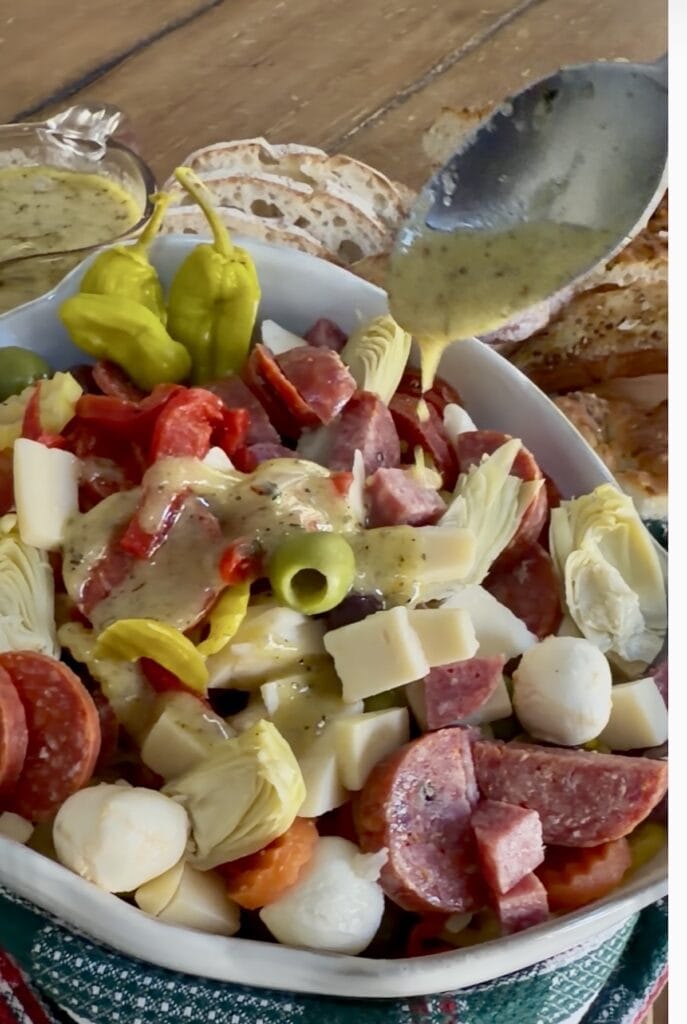
Toss lightly with the vinaigrette or offer the dressing on the side so everyone can add as much or as little as they like.
Serve with crackers, crostini, focaccia or sliced rustic Italian bread, if you’d like. It’s all the deliciousness of a traditional antipasto platter without having to arrange every individual ingredient!
As a Fresh Italian Antipasto Salad
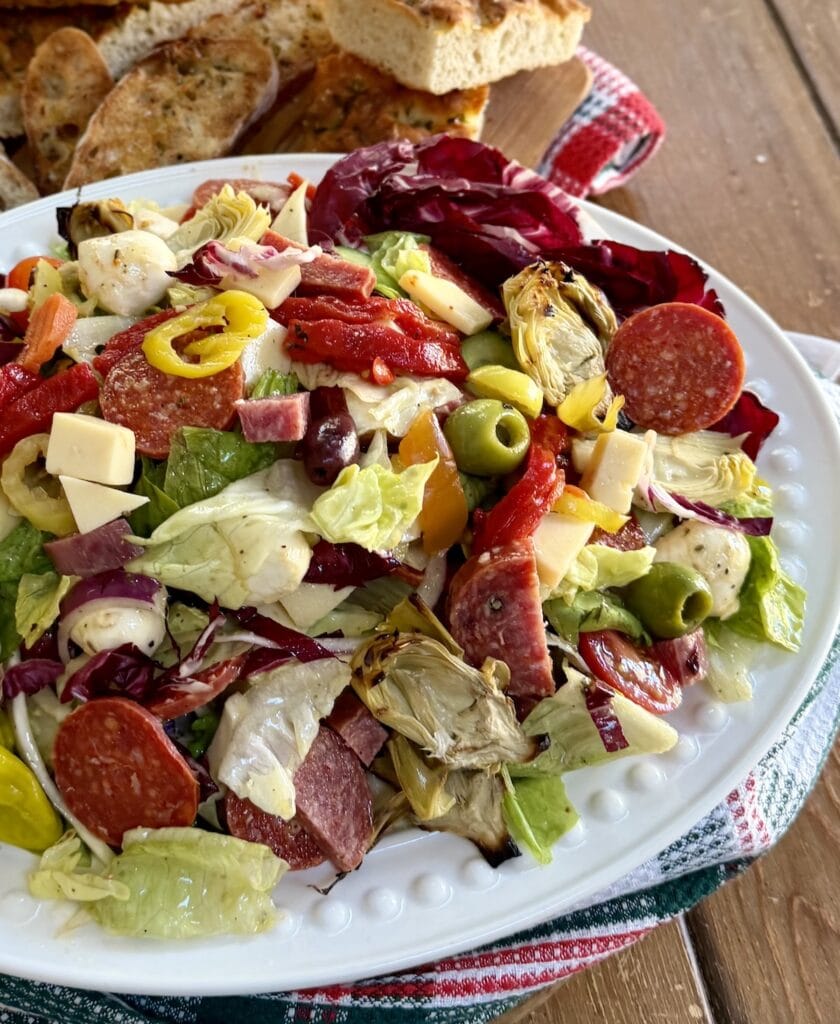
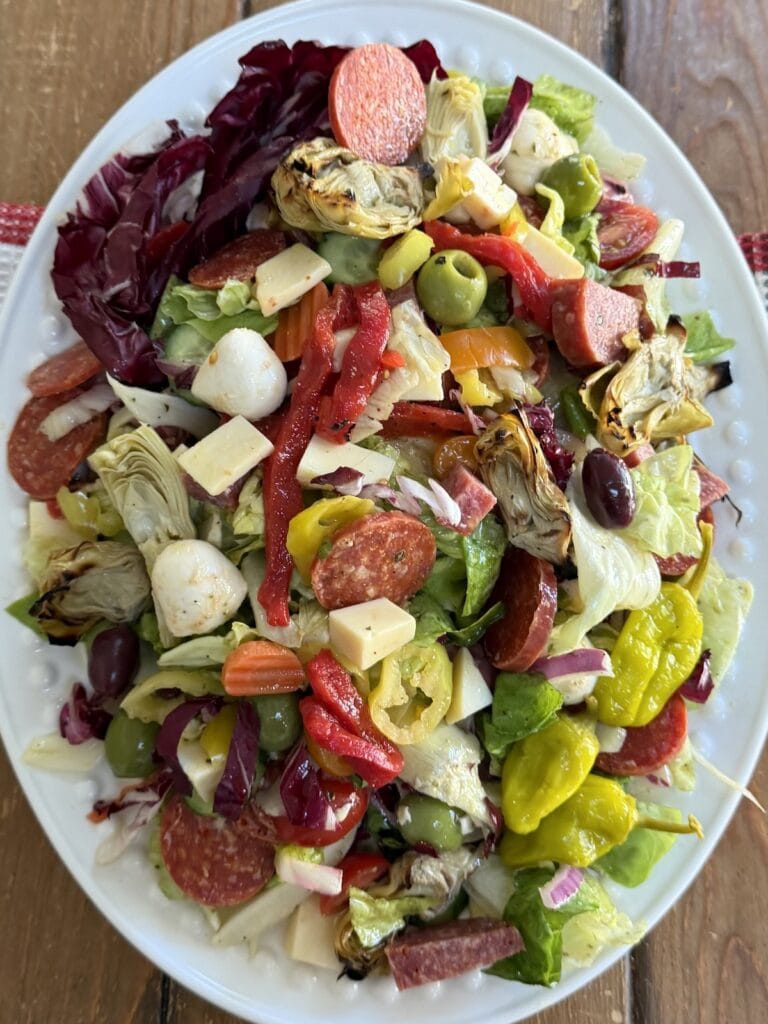
For a more traditional green salad, combine the antipasto base with chopped lettuce, grape or cherry tomatoes and any other fresh vegetables you enjoy.
I especially love adding radicchio and thinly shaved fennel for their wonderful flavor and texture.
Toss everything with vinaigrette just before serving, or leave it undressed and offer the dressing separately.
For Holiday Buffets and Family-Style Gatherings
If you’re hosting a large gathering, or aren’t sure how many people are coming, consider serving the antipasto base and fresh salad ingredients in separate bowls, with the dressing on the side. This way, everyone can combine the ingredients in whatever proportions they prefer.
You can also dress just the fresh vegetables, like a traditional Italian house salad, and let guests add their own meats, cheeses and other antipasto ingredients.
But here’s my favorite approach for a holiday buffet: Combine about half the antipasto base with half the fresh salad ingredients and a little vinaigrette just before serving. Keep the rest separate and refrigerated, then quickly toss together a second fresh batch when the first bowl starts running low.
This keeps the salad fresh and beautiful throughout the party without leaving one enormous dressed salad sitting out for hours!
In Individual Party Cups
For bridal showers, baby showers, brunches or cocktail parties, consider serving individual portions in small decorative cups!
Add a little shredded romaine underneath, if you’d like, and provide small cocktail forks or food-safe decorative picks. You can dress the salad lightly or serve the vinaigrette separately.
They’re colorful, fun and easy for guests to enjoy while mingling. Keep refrigerated until serving time.
Make-Ahead Instructions
This salad is ideal for preparing in stages, especially for holidays or parties when you have lots of other things to make!
- Up to two weeks ahead: Make the red wine vinaigrette and refrigerate it in an airtight jar or container.
- Up to two days ahead: Cut the cured meats and sharp provolone, drain and prepare the jarred vegetables, and refrigerate everything in covered containers. For the best texture, keep the jarred vegetables separate from the meats and cheese until serving day. You can also combine the antipasto base a day ahead if the vegetables are very well drained.
- Keep the mozzarella in its original liquid: Don’t drain the ciliegine until you’re ready to serve. Keep them refrigerated in their original packaging or packing liquid.
- Shortly before serving: Combine the prepared antipasto base, add the drained mozzarella and dress the salad as you prefer—or leave the vinaigrette on the side.
- If making the fresh salad version: Add the lettuce, tomatoes and other fresh ingredients just before serving so they stay crisp.
One more thing about the vinaigrette: The olive oil will likely solidify in the refrigerator. Just remove the dressing about 15 minutes before using, or a little longer if needed, to allow it to liquefy, then give it a good stir or shake.
Keep all perishable ingredients refrigerated at 40°F or below. For longer buffets, set out smaller portions and replenish them with fresh, refrigerated salad as needed.
Recipe Substitutions and Variations
One of the best things about this Italian Antipasto Salad is how flexible it is! Feel free to mix and match your favorite ingredients and adjust the amounts to suit your tastes. Here are a few more ideas:
- Add More Pantry Favorites: Sun-dried tomatoes, hearts of palm, chickpeas or cannellini beans would all be delicious additions. Just drain them well before adding.
- Add Pasta: Turn this into an antipasto pasta salad by adding cooked, cooled short pasta and a little extra dressing. Or try my Antipasto Tortellini Pasta Salad!
- Roast the Artichokes: For a different flavor and slightly firmer texture, use roasted artichoke hearts instead of plain canned or jarred ones. See the recipe notes for my easy roasting method.
- Make an Italian Hoagie with the Leftovers: Believe it or not, the leftover antipasto mixture makes a fantastic Italian sub or hoagie! Simply chop everything a little smaller, drain any excess dressing and pile it into a crusty Italian roll. Add shredded lettuce and tomatoes, if you’d like. SO good!
Frequently Asked Questions
It depends on the type of casing.
Some salami and soppressata have natural or edible collagen casings that are safe to eat. Others have inedible casings made from plastic, cellulose or fibrous materials that must be removed.
Always check the package or ask the person at the deli counter if you’re unsure.
Even when the casing is technically edible, I sometimes prefer to remove it from larger or drier salami logs if it’s particularly tough or chewy. This is especially helpful when cutting the meats into chunky pieces for a salad.
If you need to remove it, use a small, sharp knife to make a shallow cut lengthwise through the casing, then carefully peel it away before slicing the meat.
Absolutely! That’s one of the best things about this recipe.
You can prepare the cured meats, sharp provolone and jarred vegetables up to two days ahead and keep them refrigerated in separate covered containers. The vinaigrette can also be made well in advance.
Keep the fresh mozzarella in its packing liquid until serving day, and add the fresh lettuce, tomatoes and other vegetables just before serving.
See the make-ahead tip box above for more details.
Not at all!
You can serve this as a hearty antipasto mixture without any lettuce or fresh vegetables. In fact, it’s one of my favorite ways to serve it for holidays and parties.
Or, add your favorite greens and fresh vegetables for a more traditional salad. Both versions are delicious!
Yes, although the finished salad will have a very different texture and appearance.
I prefer thick pieces that I can cut into rustic cubes, slices, wedges and half-moons. But if you already have thinly sliced salami, soppressata or other cured meats, you can fold, roll or cut them into bite-size pieces and add them to the salad.
Because so many of the antipasto ingredients are already salty!
The cured meats, sharp provolone, olives, giardiniera and pickled peppers all contribute plenty of seasoning.
When you taste the dressing on its own, you may think it needs salt. But don’t be tempted to add any before mixing it with the salad!
Taste everything together first. If you feel it needs a little salt, add a small amount directly to the finished salad.
If you’re making this vinaigrette to use on a different salad without all those salty ingredients, add about ¼ teaspoon salt to the dressing, or season to taste.
Refrigerate leftovers promptly in an airtight container.
The antipasto mixture without fresh lettuce will generally hold its texture better than the fully dressed green salad.
Keep in mind how long the ingredients were refrigerated before assembly, as well as their package dates, when deciding how quickly to use leftovers.
For a holiday buffet, I recommend keeping extra portions refrigerated and replenishing the serving bowl rather than leaving the entire batch out for hours.
More Italian Appetizers for a Crowd
If you’re planning a holiday gathering or putting together a big Italian antipasto spread, here are a few more favorites to try!
Italian Antipasto Salad with Red Wine Vinaigrette
Video
Equipment
- Cutting Board and sharp knife
- Colander or strainer
- Hand blender (optional)
- Whisk (optional)
- Mandoline (optional) for slicing fennel
Ingredients
Part 1: The Antipasto Base
- 1 pound total of 1-3 varieties of your favorite cured meats, cut into bite-sized slices, cubes, wedges or half-moons (See Notes.)
- 6 ounces sharp provolone cheese, cut into approximately ½-inch cubes or irregular chunks
- 8 ounces plain fresh mozzarella ciliegine (cherry-size balls), drained and gently patted dry just before serving
- 1½-2 cups giardiniera, well drained and cut into bite-size pieces, if necessary
- 1 cup jarred roasted red peppers, well drained, seeded and cut into rustic strips
- ¾-1 cup pitted Castelvetrano olives, whole or halved
- ¾-1 cup pitted Kalamata olives, whole
- ¾ cup sliced or whole pepperoncini or banana peppers, well drained
- 1 (12–14-ounces) can or jar of plain artichoke hearts , packed in water or brine (not oil-marinated), drained well and halved or quartered
Part 2: Optional Fresh Salad Ingredients
- 6 cups chopped lettuce, washed and thoroughly dried
- 1 pint grape or cherry tomatoes, halved
- 1 cup thinly sliced radicchio, optional (or leave in whole leaves)
- 1 cup sliced or halved cucumbers, optional
- ¾-1 cup thinly sliced red onion, optional
- ½-¾ fennel bulb, very thinly sliced or shaved, optional
For the Red Wine Vinaigrette (makes about 1¼ cups)
- 1 cup extra virgin olive oil
- ¼ cup red wine vinegar
- 1 Tbsp Dijon mustard
- 1 tsp dried oregano
- ½ tsp dried basil
- ½ tsp granulated garlic or garlic powder
- ½ tsp onion powder
- ½ tsp freshly ground black pepper
- ¼ tsp crushed red pepper, (optional)
Instructions
- (Please see the section above for Step-By-Step instructions with photos.)
- Prepare vinaigrette. Combine the olive oil, red wine vinegar, Dijon mustard, dried herbs and spices and mix until emulsified. Let the dressing sit for a little while so the dried herbs can rehydrate. Taste and adjust the acidity or seasonings if necessary, but DO NOT add salt at this point, even if you think it needs some. Wait until you've tasted the finished salad before deciding whether any salt is necessary. Refrigerate until ready to use.1 cup extra virgin olive oil, 1 Tbsp Dijon mustard, 1 tsp dried oregano, ½ tsp dried basil, ½ tsp granulated garlic or garlic powder, ½ tsp onion powder, ½ tsp freshly ground black pepper, ¼ tsp crushed red pepper, ¼ cup red wine vinegar
- Prepare cured meats. Cut the Genoa salami, hot soppressata, pepperoni or other cured meats you’re using into rustic, bite-size pieces. I used a combination of different shapes and sizes, including round slices, thick half-moons and cubes, for visual appeal and a variety of textures. The size and shape of the meats you purchase will influence the types of cuts.Transfer the prepped cured meats to a large mixing bowl.1 pound total of 1-3 varieties of your favorite cured meats
- Prepare sharp provolone. Cut the cheese into approximately ½-inch cubes or irregular chunks and add to the bowl with the meats.6 ounces sharp provolone cheese
- Prepare pantry vegetables. Drain the giardiniera, roasted red peppers, olives, pepperoncini or banana peppers and artichoke hearts very thoroughly, removing as much excess liquid as possible. Pat dry with paper towels, if necessary. Cut the artichokes into halves or quarters, slice the roasted peppers into rustic strips and cut any particularly large vegetables into bite-size pieces.1½-2 cups giardiniera, 1 cup jarred roasted red peppers, ¾-1 cup pitted Castelvetrano olives, ¾-1 cup pitted Kalamata olives, ¾ cup sliced or whole pepperoncini or banana peppers, 1 (12–14-ounces) can or jar of plain artichoke hearts
- Combine antipasto base. Add the olives, roasted peppers, giardiniera and pepperoncini or banana peppers to the bowl with the meats and provolone. Toss gently to distribute everything evenly. Then, carefully fold in the artichoke hearts or arrange them over the top, since they're softer and can break apart easily. Cover and refrigerate until ready to serve, if preparing ahead.
- Add mozzarella. Shortly before serving, remove the fresh mozzarella balls from their packing liquid, drain thoroughly and gently pat dry with paper towels. Add them to the antipasto mixture and toss carefully.8 ounces plain fresh mozzarella ciliegine (cherry-size balls)
- Serve without greens, if desired. Shake or stir the vinaigrette again and add approximately ⅓ cup to the antipasto mixture to start. Toss gently until lightly coated. Taste and add additional dressing as needed. Transfer to a large, shallow serving bowl or platter. Alternatively, leave the salad undressed and offer the vinaigrette on the side. Serve with crusty bread, focaccia or crackers, if desired.
- OR serve with fresh greens. Wash, dry and prepare the lettuce, tomatoes and whichever additional fresh vegetables you're including. Arrange them in a large bowl or on a serving platter, then add the antipasto mixture, including the mozzarella. Add approximately ½ cup vinaigrette to start, toss gently and add more dressing as needed. Or leave everything undressed and offer the vinaigrette on the side. Serve immediately.6 cups chopped lettuce, 1 pint grape or cherry tomatoes, 1 cup thinly sliced radicchio, 1 cup sliced or halved cucumbers, ¾-1 cup thinly sliced red onion, ½-¾ fennel bulb
- For a holiday buffet, consider serving in batches. Combine approximately half the antipasto base with half the fresh salad ingredients and some vinaigrette. Keep the remaining ingredients separate and refrigerated. Quickly toss together a second batch when needed so the salad stays fresh. Alternatively, serve the antipasto and fresh vegetable components separately with dressing on the side. Buon Appetito!
Notes
- For a smaller Sunday or weeknight dinner, cut all the ingredients in half.
- The ingredient amounts are guidelines! Use more or less of your favorites and customize the salad to your preferences.
- Fennel salami (finocchiona), sweet soppressata, capicola and other Italian cured meats are all delicious alternatives.
- Check the casings before cutting. Remove any inedible casings, and consider removing tough, chewy edible casings as well.
- Use plain mozzarella balls packed in water or brine rather than seasoned or marinated in oil. Smaller perline can also be used.
- Keep fresh mozzarella refrigerated in its original packing liquid until serving day. Drain very well before combining with the other ingredients.
- Cut the sharp provolone into irregular chunks of varying shapes and sizes.
- Prefer roasted artichokes? They’re a delicious option and tend to be a little sturdier than plain canned artichokes.
- Start with frozen or canned artichoke heart quarters, completely thawed or drained, then pat dry.
- Lightly spritz or toss with extra virgin olive oil.
- Arrange in one layer on a parchment-lined sheet pan, or preferably on a wire rack set over a sheet pan.
- Roast at 425°F for approximately 20 minutes, turning halfway through, until beginning to brown and crisp.
- Cool completely before adding to the salad.
- Black oil-cured olives are an excellent alternative to Kalamatas if you’d prefer a more intense, savory flavor.
- Be sure to use pitted olives and drain well.
- Choose giardiniera packed in brine when possible. If using an oil-packed variety, drain especially well.
- Pickled hot cherry peppers can replace some or all of the pepperoncini.
- Pepperoncini and banana peppers can be used whole or sliced. I used a combination.
- Make the dressing first and let it sit briefly so the dried herbs have time to rehydrate.
- I intentionally do not add salt to this vinaigrette when using it for antipasto salad. The cured meats, cheeses, olives and pickled vegetables already provide plenty. Even if the dressing tastes like it needs salt on its own, resist adding any until you’ve tasted the assembled salad. If necessary, add a little salt directly to the salad.
- If making this vinaigrette for a different salad, add approximately ¼ teaspoon salt, or to taste.
- This is a great all-purpose vinaigrette! Make a double batch and store the extra in an airtight container in the refrigerator for up to two weeks.
- The olive oil will likely thicken or solidify when refrigerated. Remove the dressing about 15 minutes before using, or longer if necessary, until the oil liquefies. Stir or shake again before serving.
- You may have dressing left over depending on how generously you dress your salad.
- I used a combination of chopped romaine and butter lettuces, but you can use whichever greens you prefer.
- Add fresh vegetables close to serving time so they stay crisp.
- Up to two weeks ahead: Prepare the vinaigrette and refrigerate in a clean, airtight container.
- Up to two days ahead: Cut the cured meats and sharp provolone, drain and prepare the jarred vegetables, and refrigerate in covered containers. Keep the vegetables separate from the meats and cheese for the best texture.
- One day ahead: You can combine the well-drained antipasto base, if desired, and refrigerate.
- Keep the mozzarella refrigerated in its original packing liquid until serving day.
- Shortly before serving: Assemble the antipasto base, add the drained mozzarella and dress as desired.
- For the fresh salad version: Add the lettuce, tomatoes and other fresh ingredients just before serving.
- Serve the antipasto mixture without greens, either lightly dressed or with the vinaigrette on the side.
- Combine the antipasto mixture with all the fresh salad ingredients and toss with dressing, or offer the dressing separately.
- Toss the fresh vegetables with vinaigrette like a traditional Italian house salad and serve the antipasto mixture separately, allowing guests to combine the two in whatever proportions they prefer.
- For holiday buffets, my favorite method is to assemble and dress only half the salad at first. Keep the remaining ingredients separate and refrigerated, then quickly prepare a second fresh batch as needed.
- For bridal showers, baby showers and cocktail parties, portion the salad into decorative individual cups with small cocktail forks or food-safe picks.
- Use leftovers promptly, keeping in mind how long the ingredients were stored before assembly and their expiration dates.
- For entertaining, set out smaller portions and replenish from the refrigerator. Perishable foods shouldn’t be left at room temperature for more than two hours, or one hour in temperatures above 90°F.
- To make an Italian hoagie with leftovers, chop the antipasto mixture into slightly smaller pieces, drain excess dressing and pile it into a crusty Italian roll. Add shredded lettuce and tomatoes, if desired.

love soup?
Get My Cookbook!
Ditch the dish and embrace the bowl with Soupified: Soups Inspired by Your Favorite Dishes!
Available in ebook, paperback and hardcover.



A crowd favorite, for sure!