This post may contain affiliate links or sponsored content. That means if you click on my link and buy something, I will earn a small commission from the advertiser at no additional cost to you. For more information, see our disclosure policy.
Eggplant is one of the most beloved vegetables in Italian cooking–and for good reason. With its rich, earthy flavor and satisfying meaty texture, it transforms beautifully whether grilled, roasted, fried, stuffed, pickled or tossed with pasta. In fact, one of the things I love most about eggplant is that, depending on how you cook it, it can almost feel like a completely different vegetable.
Whether you’re looking for authentic Italian eggplant recipes, easy weeknight dinners or wondering what to make with eggplant from your garden, you’ll find plenty of inspiration here.
Eggplant Guide Highlights . . .
- 🍆 16 Italian-inspired eggplant recipes organized by meal category
- 🍝 Pastas, appetizers, soups, side dishes and hearty main dishes
- 🇮🇹 Classic Italian techniques with innovative twists
- 👩🍳 Chef tips and internal links to help you choose, prep and cook eggplant with confidence
- 🛒Great for farmers’ market finds, backyard garden harvests and everything from classic globe to unique heirloom eggplant varieties
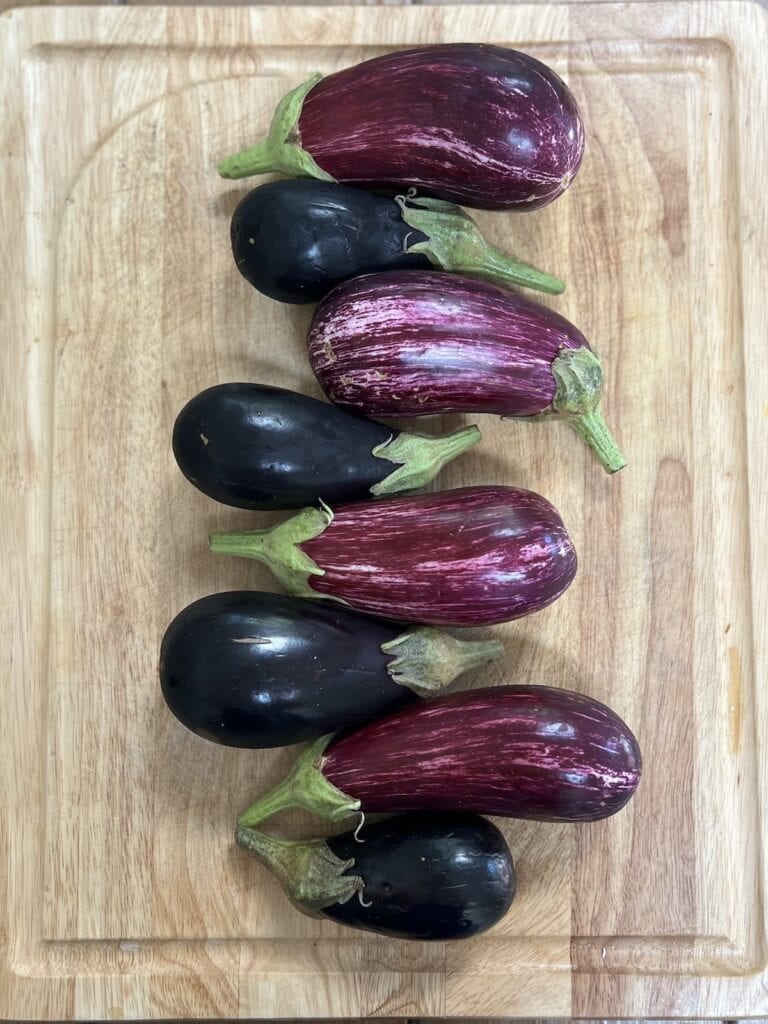
A celebration of one of the most beloved vegetables in the Italian kitchen.
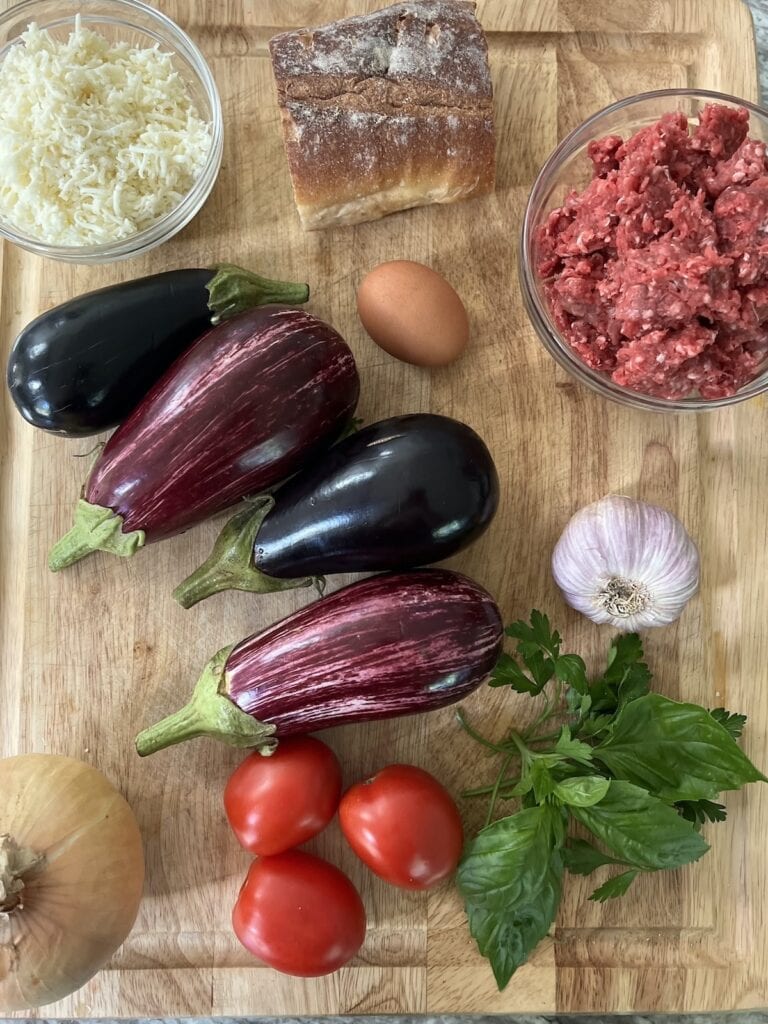
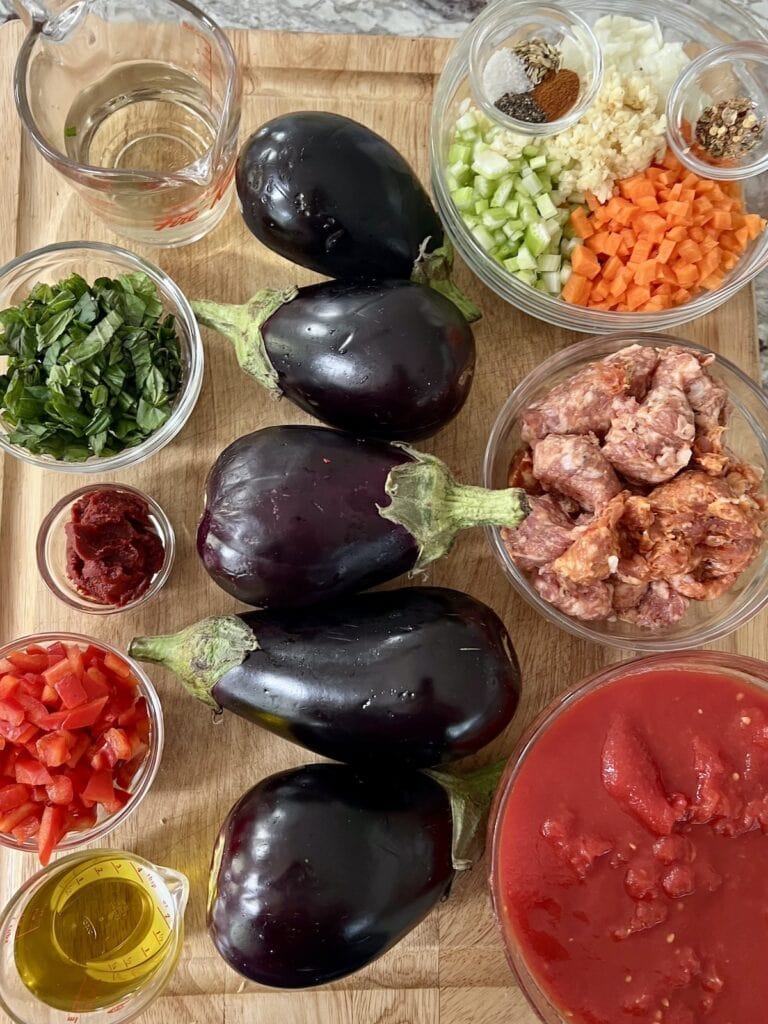
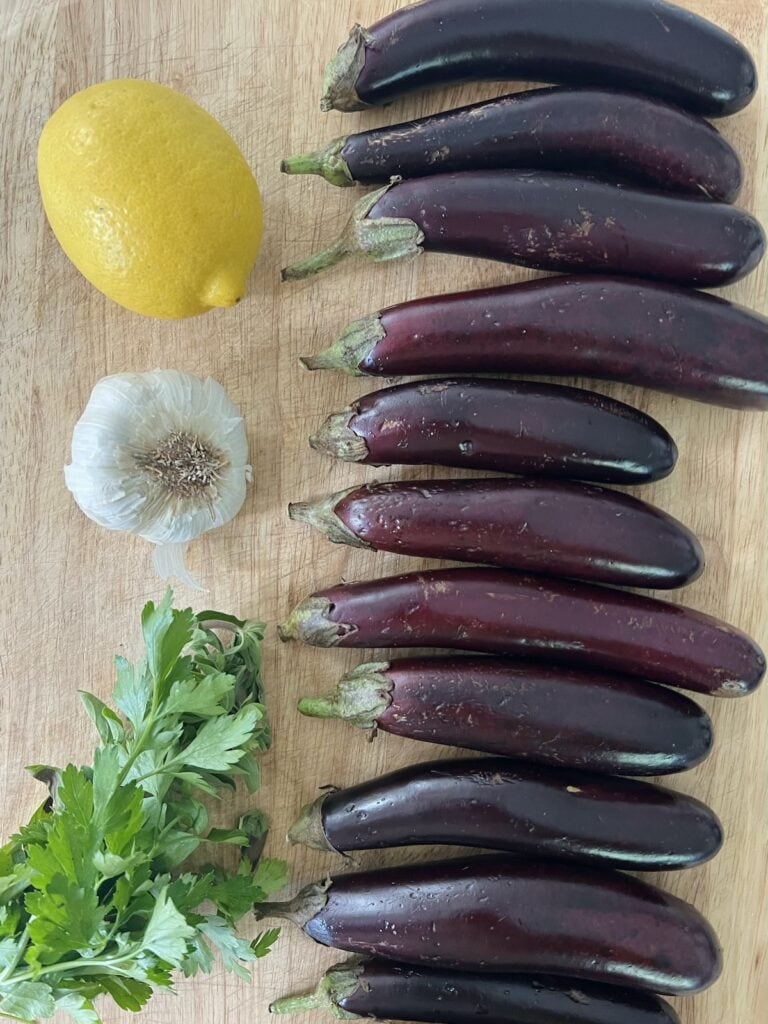
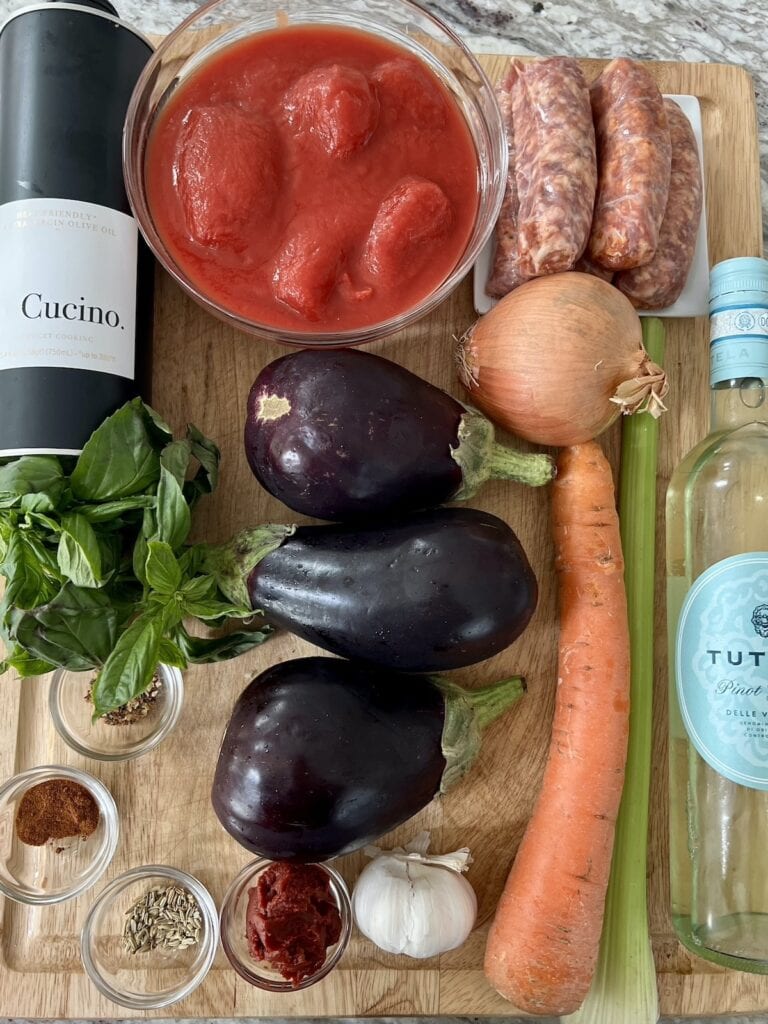
Table of Contents
- Eggplant Guide Highlights . . .
- Why Eggplant Deserves a Place in Your Kitchen
- Before You Start Cooking Eggplant
- Which Eggplant Recipe Should You Make First?
- Italian Eggplant PASTA RECIPES
- Italian Eggplant APPETIZERS & Light Bites
- Italian Eggplant MAIN DISHES & SIDES
- Italian Eggplant SOUPS and STEWS
- Frequently Asked Questions About Eggplant
- Ready to Start Cooking Eggplant?
Why Eggplant Deserves a Place in Your Kitchen
While eggplant is enjoyed throughout the Mediterranean and Middle East, it has long been a cornerstone ingredient in Southern Italian cooking, especially in Sicily, Campania and Calabria. As an Italian American with Sicilian roots, it’s one of those ingredients that has always felt like home to me. From crispy fried eggplant cutlets to hearty stuffed eggplant and rustic pasta dishes, Italian eggplant dishes have been part of my life for as long as I can remember.
Over the years, I’ve shared quite a few eggplant recipes here on Mangia With Michele, and they’ve consistently become some of my readers’ favorites. I think that’s because eggplant has an incredible ability to adapt. It can be elegant enough for entertaining, hearty enough to anchor a vegetarian dinner, or simple enough to become the perfect sandwich, side dish or pasta.
That’s one of the reasons I love cooking with eggplant: every technique brings out a different side of it!
You’ll find recipes here that stay very close to tradition alongside others that take a slightly different approach. Sometimes I roast instead of fry, lighten a classic preparation, or draw inspiration from a memorable meal, a family recipe or a technique that changed the way I cook a classic dish.
I believe the best cooking starts with understanding why your recipe has been made a certain way for generations. Once you understand the tradition, you can thoughtfully decide when a different approach makes sense.
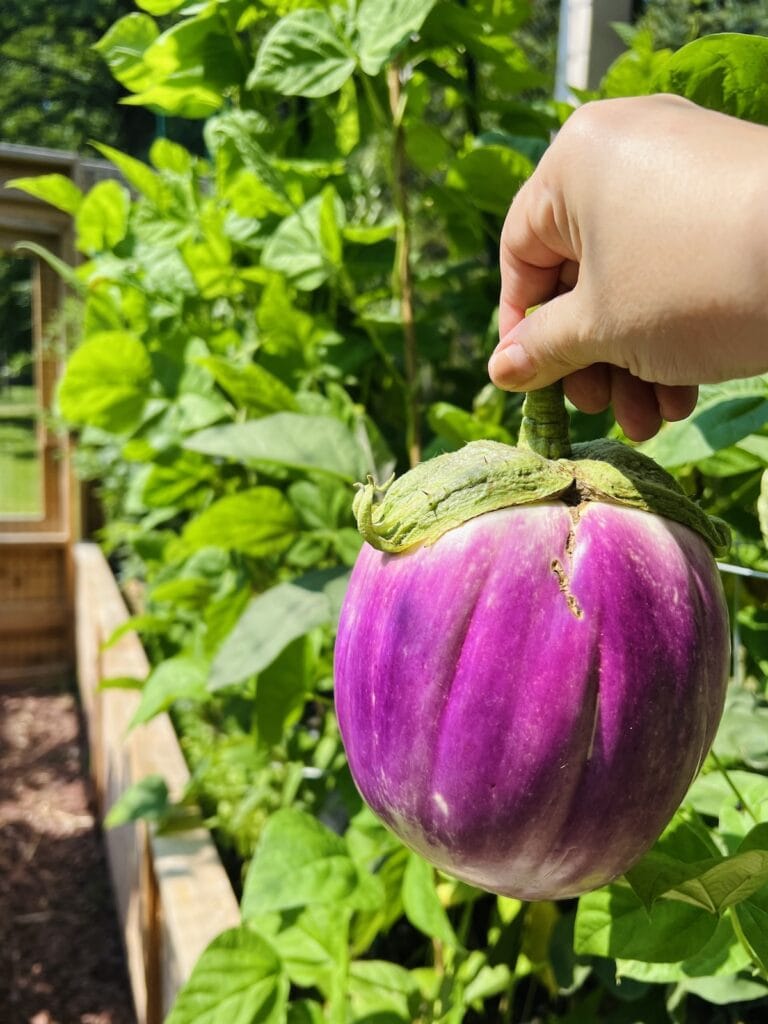
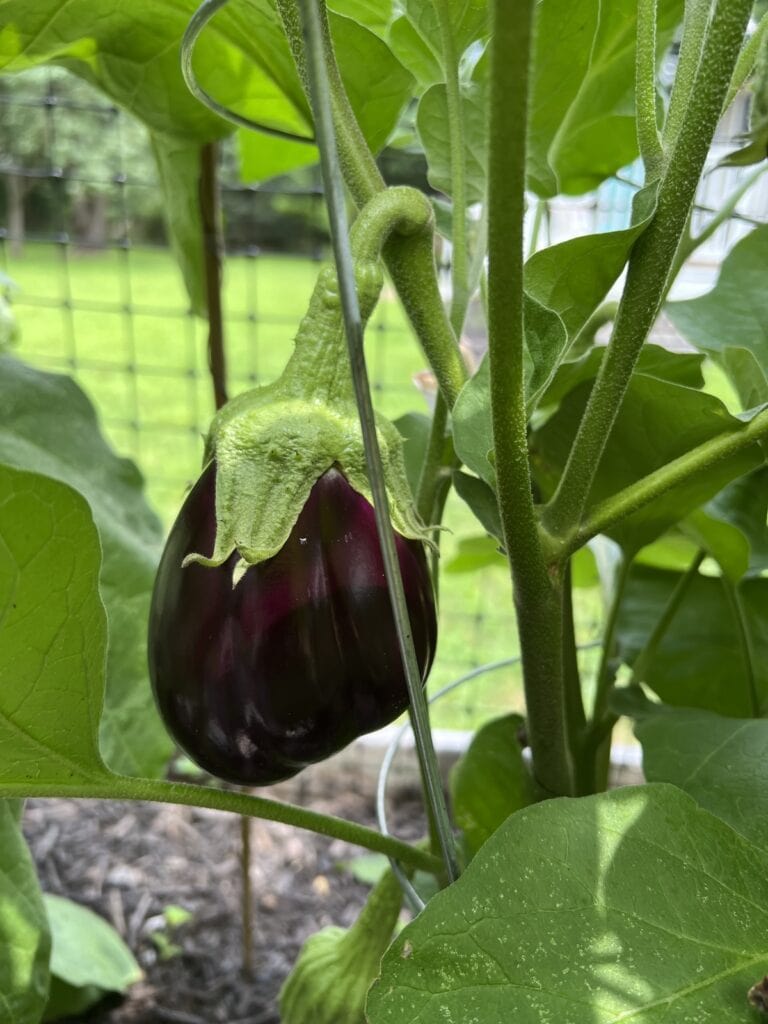
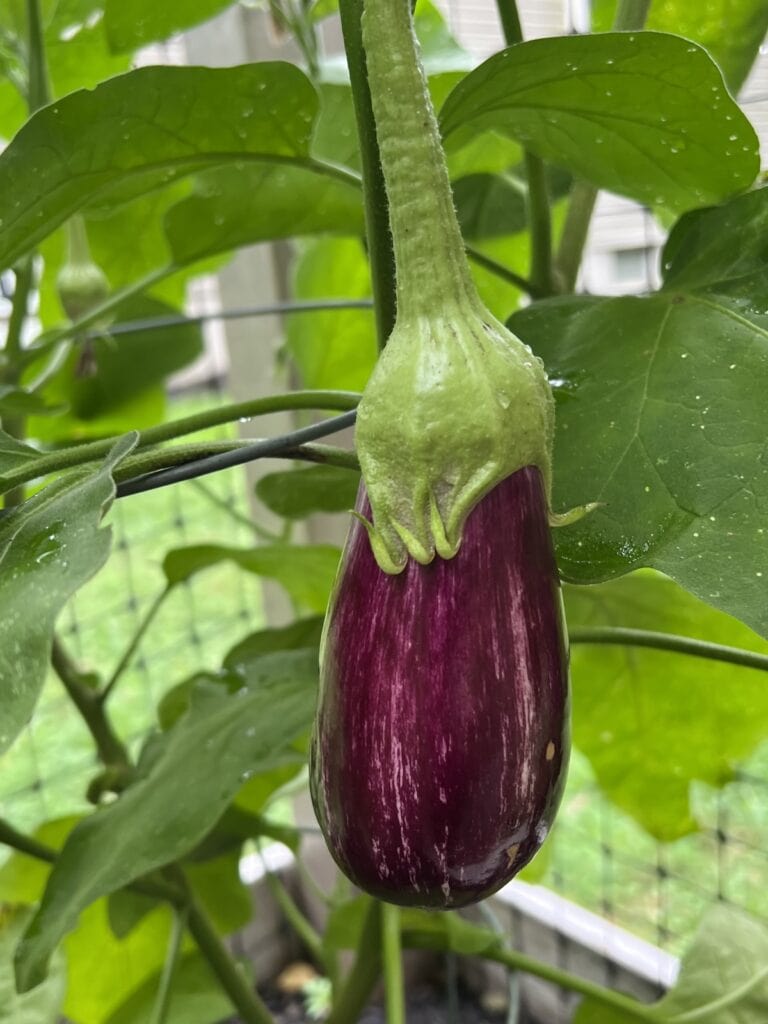
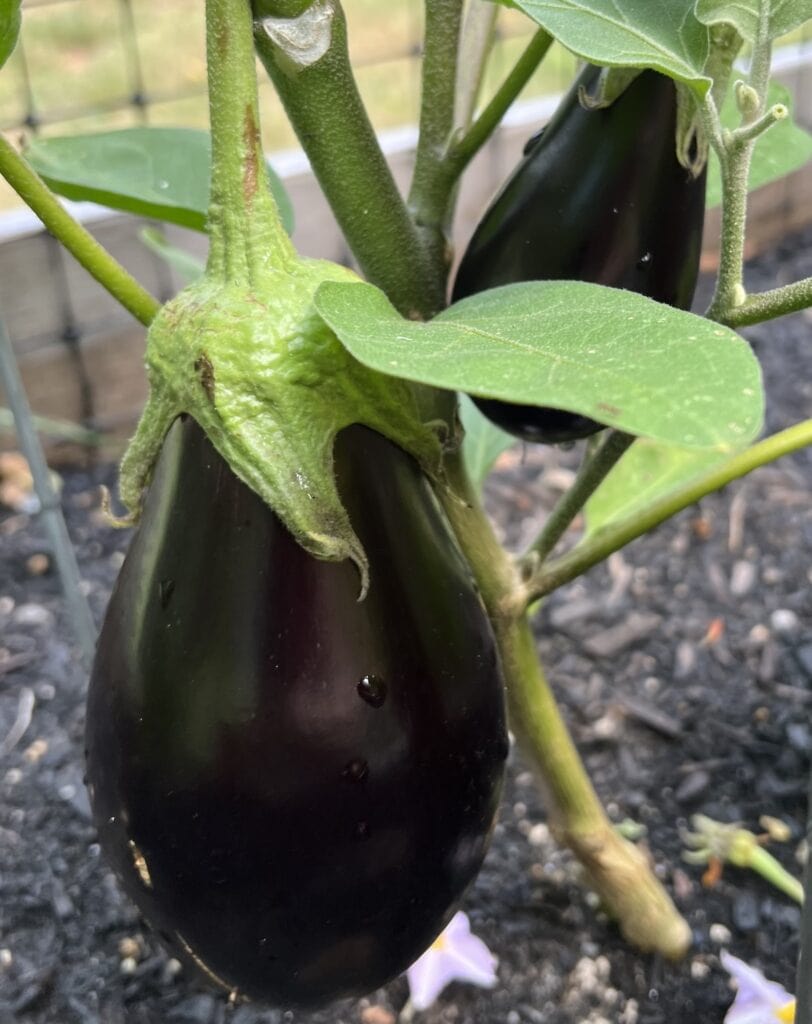
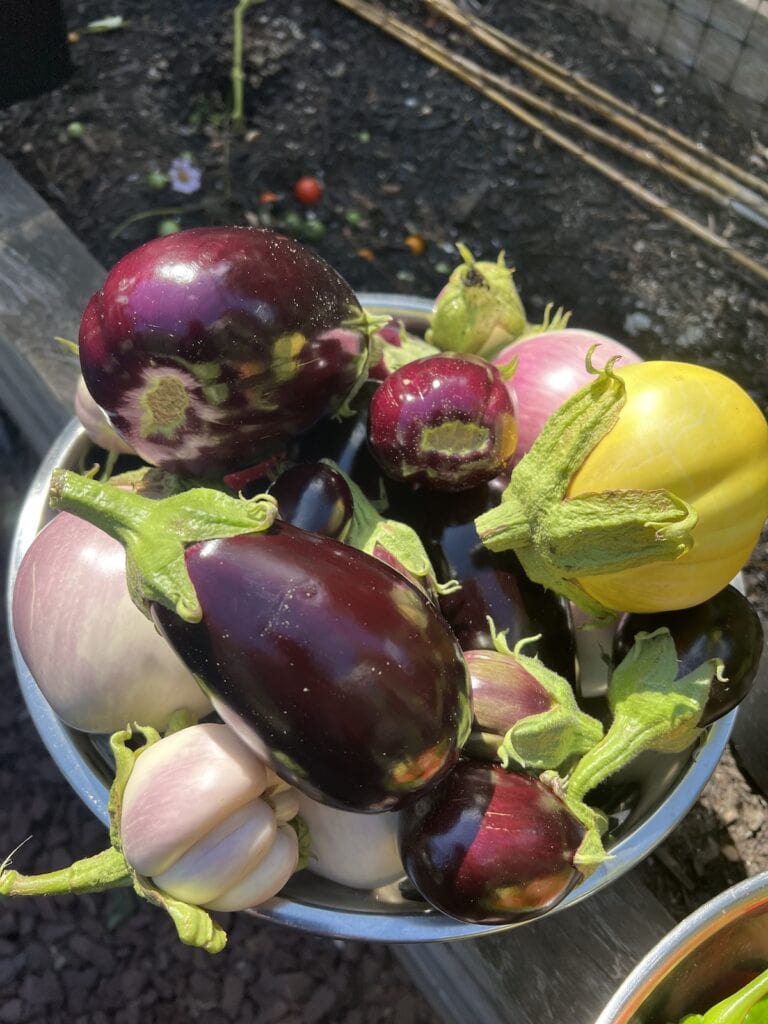
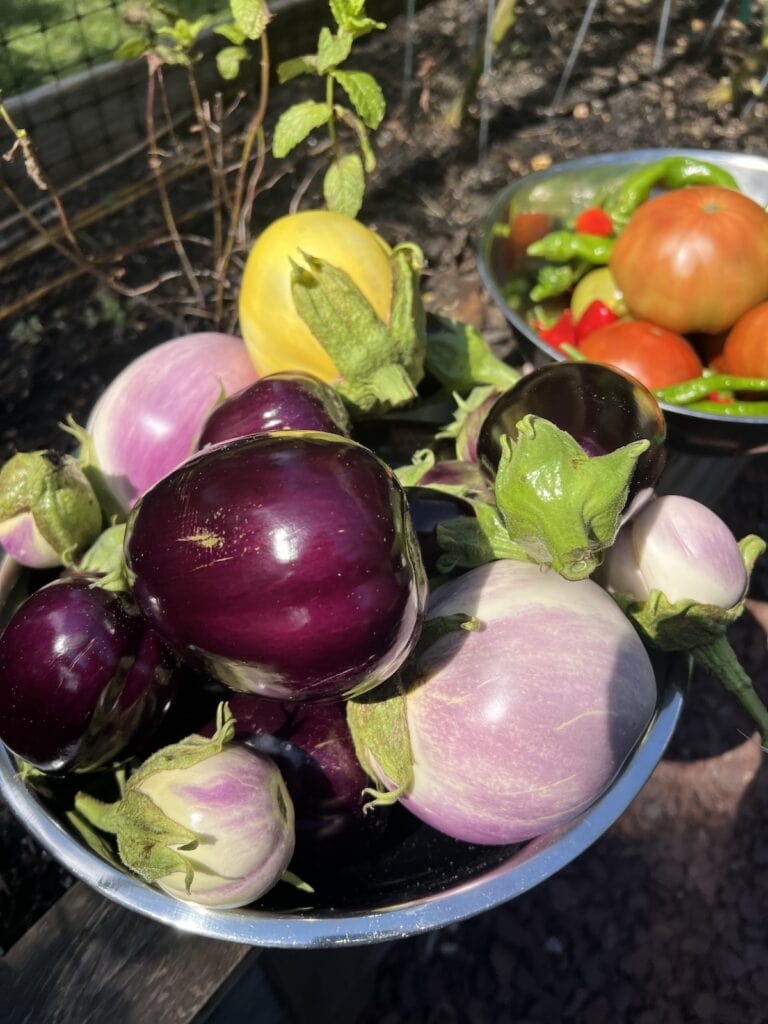
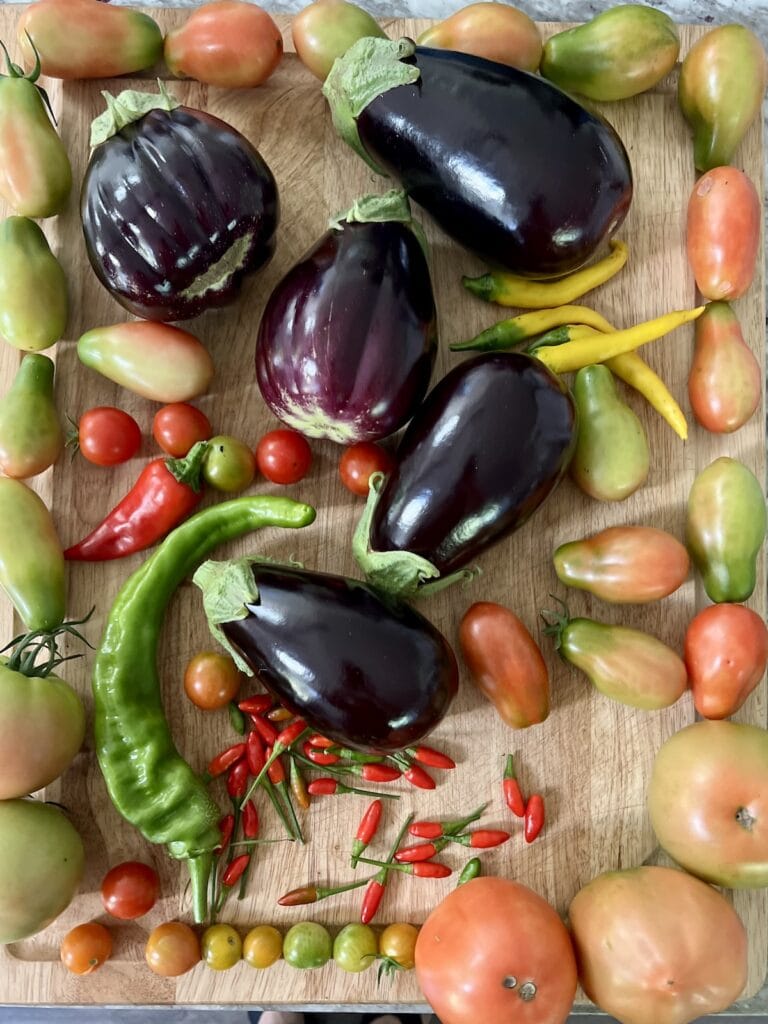
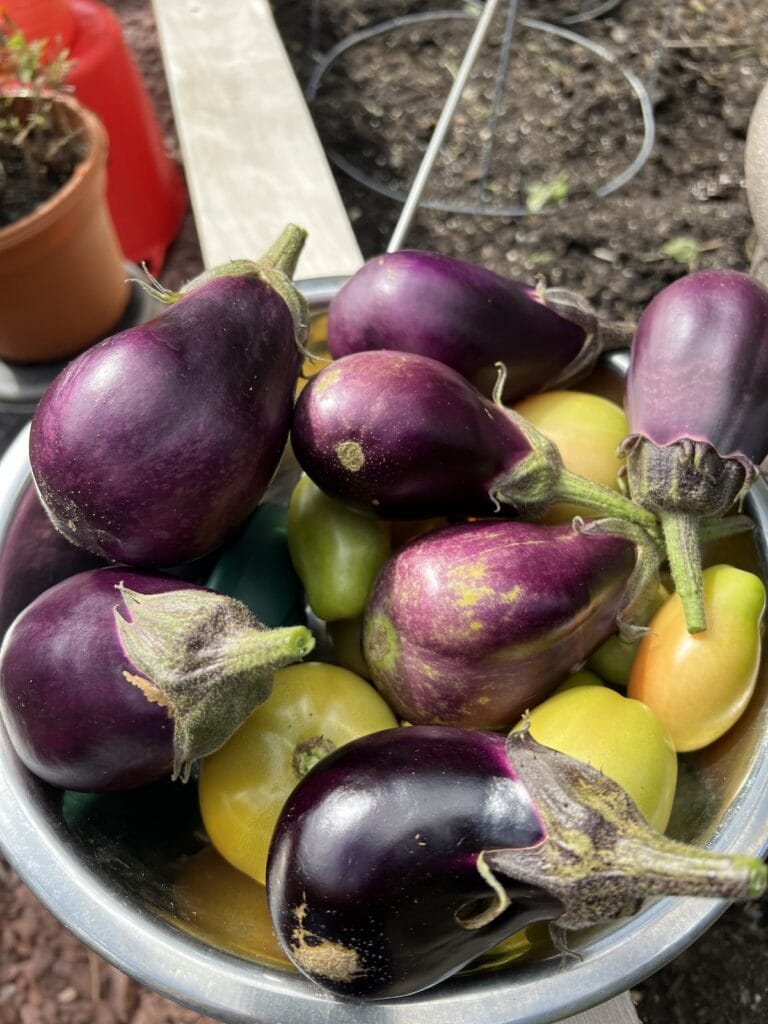
Every summer my backyard garden fills with several different varieties of eggplant, each inspiring a different recipe in this collection.
Before You Start Cooking Eggplant
Whether you’re new to cooking eggplant or have been enjoying it for years, understanding a few simple tips can make all the difference. From choosing the right variety to deciding whether it needs to be peeled or salted, a little know-how goes a long way. The good news? Eggplant is much easier to cook than many people think, and once you get comfortable with it, you’ll discover just how versatile and rewarding this Italian favorite can be.
Different Types of Eggplant
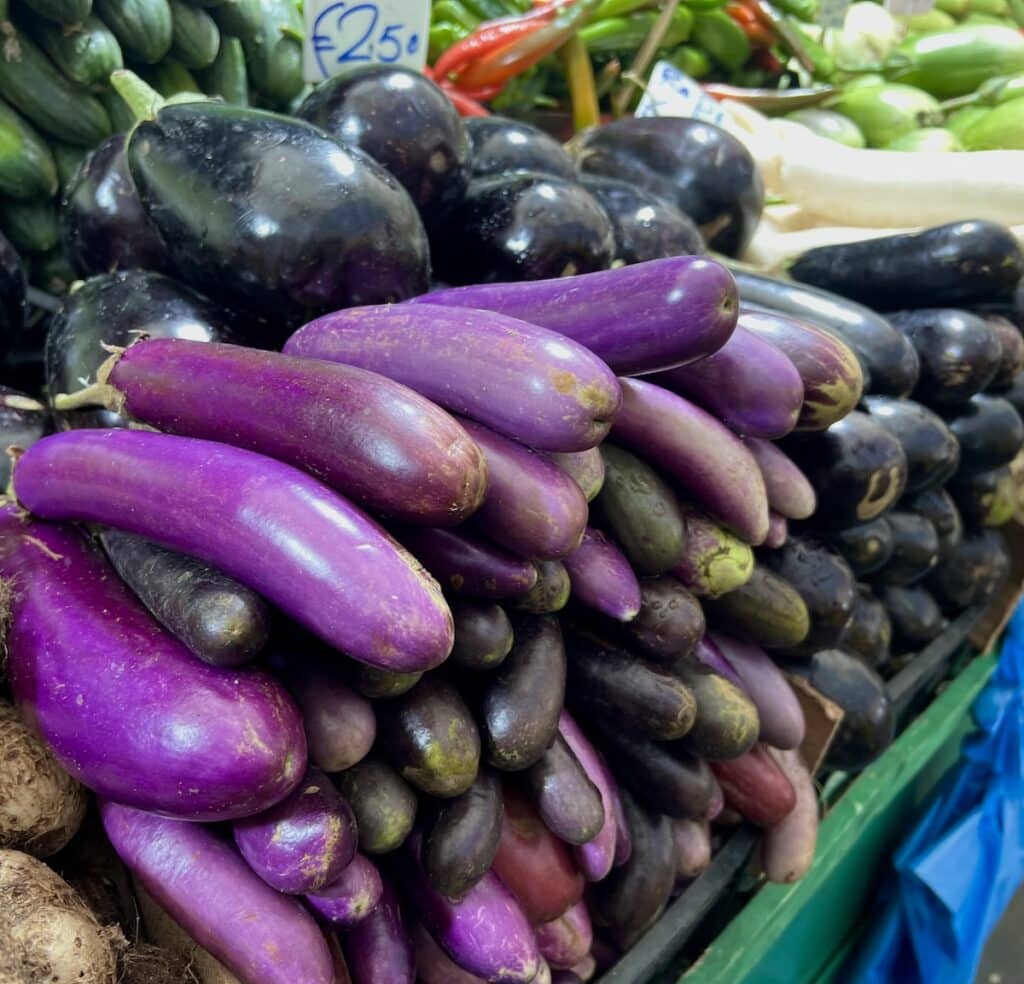
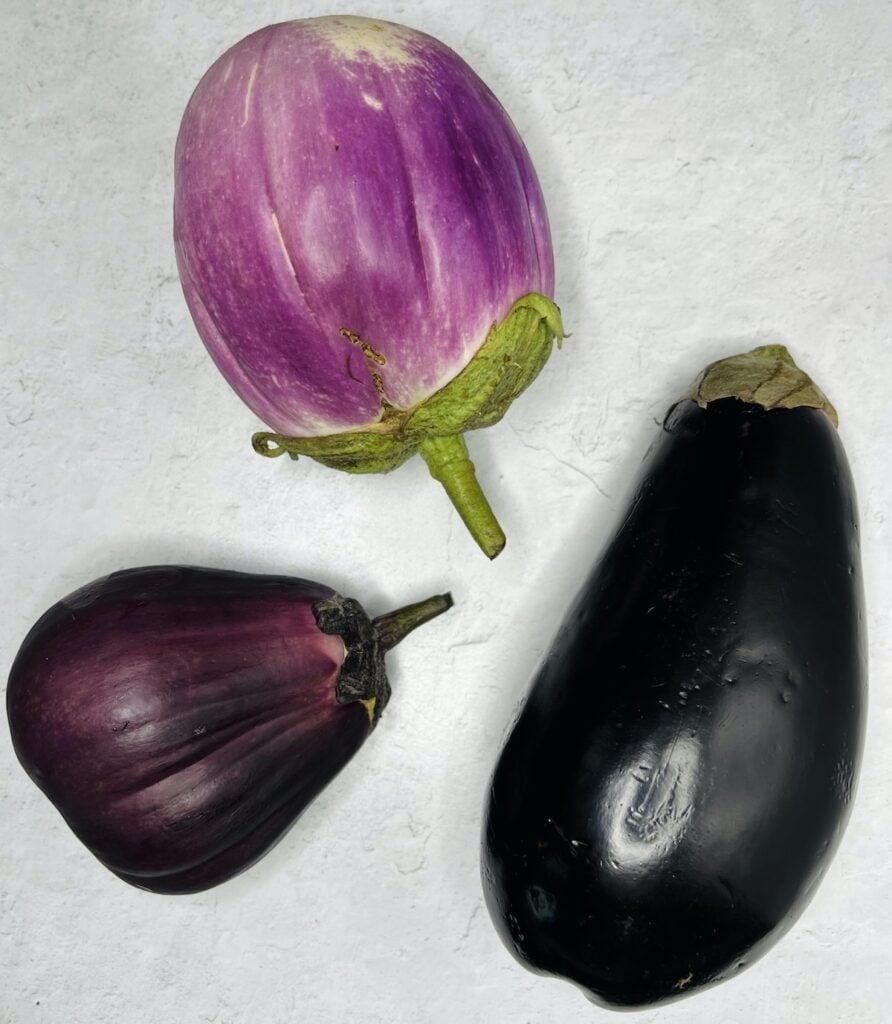
If you’ve only ever cooked with the large, dark purple globe eggplant found in most grocery stores, you’re in for a treat. There are so many varieties of eggplant, each with its own shape, flavor and best uses. While nearly all of the recipes in this collection can be adapted to use whatever variety you have on hand, certain types naturally shine in different dishes.
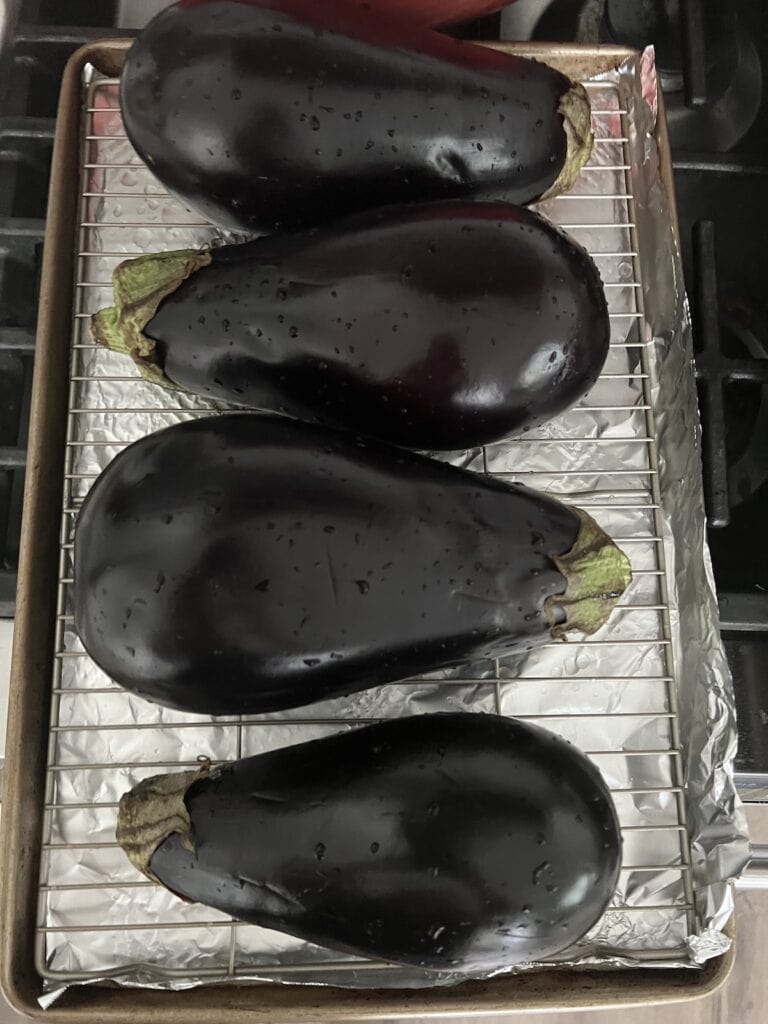
Globe Eggplant
The common, large globe eggplant is the variety you’ll find in most supermarkets. It has a mild flavor and meaty texture that makes it a versatile choice for everything from eggplant Milanese and eggplant parmigiana to hearty pasta dishes and soups.
Sicilian Eggplant
Rounder and slightly sweeter than globe eggplant, Sicilian eggplants tend to have fewer seeds and a creamier texture. They’re one of my personal favorites and a variety I grow in my backyard garden each summer. I especially enjoy using them in recipes like pasta alla Norma, caponata, fried eggplant cutlets and other dishes where the eggplant is the star.
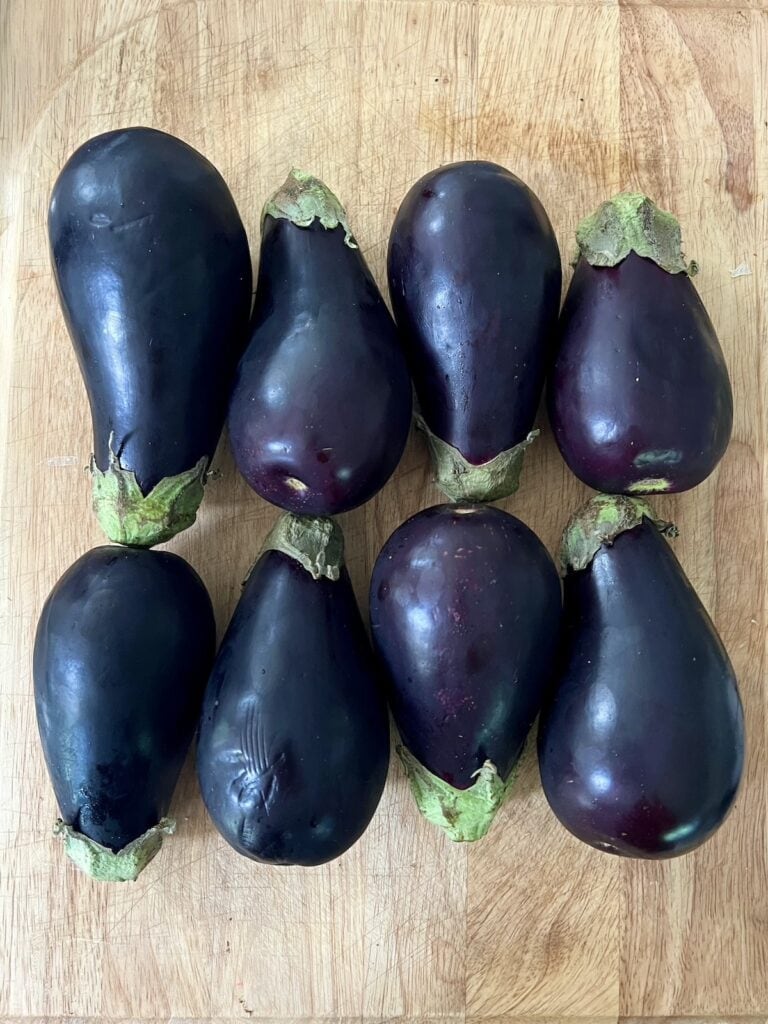
Italian Eggplant
These smaller, more elongated eggplants have tender skin and are perfect for stuffing. Their size makes them ideal for individual servings which is why I love using them for my Sicilian “buttoned up” eggplant and stuffed eggplant boats recipes.
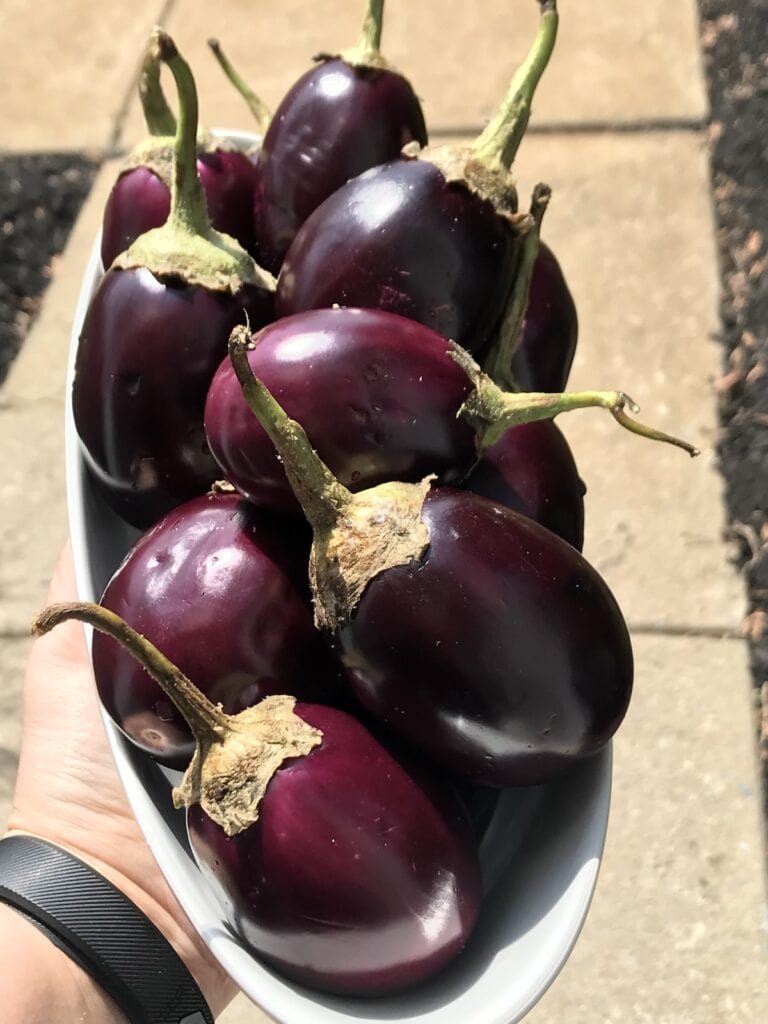
Baby (Mini) Eggplant
Sold under names like baby, mini, Hansel, Gretel, Fairy Tale or Indian eggplant, these petite varieties are wonderfully tender and cook quickly. They’re perfect for roasting whole or halved like in my roasted baby eggplant with crispy garlic and herbs recipe.
Japanese and Chinese Eggplant
These long, slender varieties have thin skin, very few seeds and a delicate texture. While they aren’t featured in many of the recipes below, they can often be substituted in dishes like grilled eggplant, pasta or stir fries where their shape isn’t essential.
💡 Don’t have the exact variety called for?
- Don’t worry! Most of the recipes in this collection work beautifully with more than one type of eggplant.
- Think of the suggested variety as my favorite choice–not the only one.
- The best eggplant is often simply the freshest one you can find, whether it’s from your grocery store, farmers’ market or backyard garden.
How to Choose Eggplant
Whether you’re shopping at your local grocery store, browsing the farmers’ market or harvesting from your backyard garden, choosing a good eggplant is easier than you might think. Keep these tips in mind:
- Look for smooth, glossy skin. The skin should be shiny and free of large bruises, wrinkles or soft spots.
- Choose an eggplant that feels heavy for its size. A heavier eggplant is usually fresher and has retained more moisture which translates to a creamier texture when cooked.
- Give it a gentle squeeze. It should feel firm with just a slight amount of give. If it’s very hard, it might not be fully ripe. If it feels soft or mushy, it’s likely overripe.
- Smaller isn’t always better but it often means fewer seeds. Large globe eggplants can be delicious, but they tend to have more developed seeds, which can make the flesh slightly more bitter. Smaller or younger eggplants are often sweeter and more tender.
- Don’t stress about perfection. Minor scratches or natural color variations won’t affect the flavor. Focus on freshness rather than finding a flawless looking eggplant.
👩🍳 Michele’s Tip
If you’re shopping at a farmers’ market, don’t be afraid to try a variety you’ve never cooked before. Most of the recipes in this guide can be adapted to different types of eggplant, and experimenting with new varieties is one of the best ways to discover your favorites.
Do You Need to Salt Eggplant?
If you’ve ever cooked with eggplant, you’ve probably heard that it should always be salted before cooking. While that was once common advice, it’s not always necessary today.
Years ago, eggplants were often more bitter than the varieties you’ll find today. Salting helped draw out some of that bitterness, along with excess moisture. Thanks to modern cultivation, however, most eggplants are naturally much milder, so bitterness is rarely an issue.
That said, salting can still be useful in certain situations. If you’re frying eggplant without any breading, salting can help remove excess moisture so the slices brown more evenly and absorb less oil. It can also improve the texture of larger, more mature eggplants that contain more seeds and moisture.
For many of my recipes–especially those that roast, grill or simmer the eggplant–I skip this step entirely. If a recipe benefits from salting, I’ll definitely let you know! Otherwise, I prefer to keep things simple and let the eggplant’s natural flavor shine.
👩🍳 Michele’s Tip
If you do decide to salt your eggplant, let it sit for about 30 minutes, then pat it thoroughly dry with paper towels before cooking. There’s no need to rinse it unless you’ve used a heavy hand with the salt.
Should You Peel Eggplant?
Whether or not you should peel eggplant is largely a matter of personal preference. The skin is completely edible and, on most younger eggplants, becomes beautifully tender as it cooks. In fact, I often leave it on for the extra color, texture and nutrients it adds to a dish.
That said, there are times when I prefer to peel it. Larger or more mature globe eggplants can develop thicker, tougher skin. So if an eggplant feels especially large or the skin seems thick, I’ll often peel it first for a silkier finished dish.
And honestly? Sometimes it simply depends on my mood and how much time I have! If I’m in a hurry, I usually leave the skin on and get cooking.
There’s one situation, however, where I almost always reach for the vegetable peeler: when I know the finished dish will be frozen. Recipes like eggplant parmigiana tend to freeze beautifully, but I’ve found that the skin can sometimes become a little tough after thawing and reheating. Peeling the eggplant beforehand helps ensure a more tender texture later on.
Ultimately, the recipe is your best guide. If peeling will noticeably improve the finished dish, I’ll let you know. Otherwise, feel free to leave the skin on–or peel it if you prefer. Either way, you’ll still end up with a delicious meal.
👩🍳 Michele’s Tip
If you’re on the fence, try a partial peel by removing alternating strips of skin (sometimes called a “zebra peel”). You’ll get the best of both worlds: enough skin to help the eggplant hold its shape, but not so much that it dominates the texture.
How to Cook Eggplant
One of the reasons I love cooking with eggplant is that no two cooking methods produce exactly the same result. Depending on how you prepare it, eggplant can be crispy, creamy, silky, smoky or wonderfully hearty. That’s part of what makes it such a versatile ingredient in Italian cuisine.
Because eggplant readily absorbs both oil and flavor, the cooking method you choose has a big impact on the final dish. Roasting, frying, grilling, stuffing and simmering each bring out a different side of this remarkable vegetable.
While there are countless ways to prepare eggplant, these are the techniques I return to again and again in my own kitchen and the ones you’ll see throughout this recipe collection.
- Roasting: Roasting concentrates eggplant’s natural sweetness while creating a rich creamy interior. It’s one of my favorite methods because it requires very little hands-on effort and produces incredible flavor. You’ll find it in recipes like pasta alla Norma, roasted eggplant caponata and roasted baby eggplant.
- Frying: Fried eggplant develops a beautifully crisp exterior with a tender center. It’s the traditional choice for recipes like eggplant cutlets and eggplant Parmigiana creating a comforting texture many of us grew up loving.
- Grilling: Grilling adds a delicious smoky flavor that’s perfect for summer. I even like to reverse-marinate grilled eggplant by cooking it first then, letting it soak up a flavorful marinade while it’s still warm–a simple technique that locks in even more flavor.
- Stuffing: Smaller eggplants are perfect for stuffing because they become tender while holding their shape. It’s a wonderful way to turn eggplant into a satisfying main course.
- Simmering: Eggplant becomes wonderfully tender in soups, stews and sauces, where it absorbs the surrounding flavors while adding richness and body.
No matter which cooking method you choose, eggplant pairs beautifully with classic Italian ingredients like garlic, basil, lemon, tomatoes, fresh herbs, extra-virgin olive oil and both strong and mild cheeses, making it one of the most adaptable vegetables in the kitchen.
👩🍳 Michele’s Tip
Don’t be afraid to experiment. Once you understand the basics, you’ll find that many of the recipes in this collection can be adapted to different eggplant varieties and cooking methods while still delivering delicious results.
Which Eggplant Recipe Should You Make First?
Not sure where to start? Here are some tips based on what your craving:
- 🍆 If you’re new to cooking eggplant: Start with my eggplant cutlets. Crispy on the outside and tender on the inside, it’s one of my most popular recipes and a great introduction to just how delicious eggplant can be! Bonus: the breaded and fried eggplant can also be layered into eggplant parm, tucked into a sandwich or shingled into a caprese salad alongside sliced tomatoes and fresh mozzarella.
- 🍝 If you’re craving pasta: My easy casarecce alla Norma is a lighter take on the beloved Sicilian favorite, featuring roasted eggplant tomato sauce and ricotta salata cheese.
- 🥘 If you want a hearty meatless meal: Try my polpette di melanzane (meatless eggplant “meatballs”). They’re one of my readers’ favorite recipes and so satisfying that even meat lovers won’t miss the meat.
- 🌿 If your garden or farmers’ market is overflowing with eggplant: Make ciambotta (Italian summer veggie stew), roasted eggplant spread or roasted baby eggplant–three wonderful ways to celebrate the flavors of summer.
- 🍷 If you’re entertaining: My roasted vegetable caponata and marinated grilled eggplant are perfect make-ahead dishes for an antipasto spread, picnic or summer gathering.
Regardless of which recipe you choose first, you’ll likely quickly discover why eggplant has earned its place as one of Italy’s most versatile and beloved veggies.
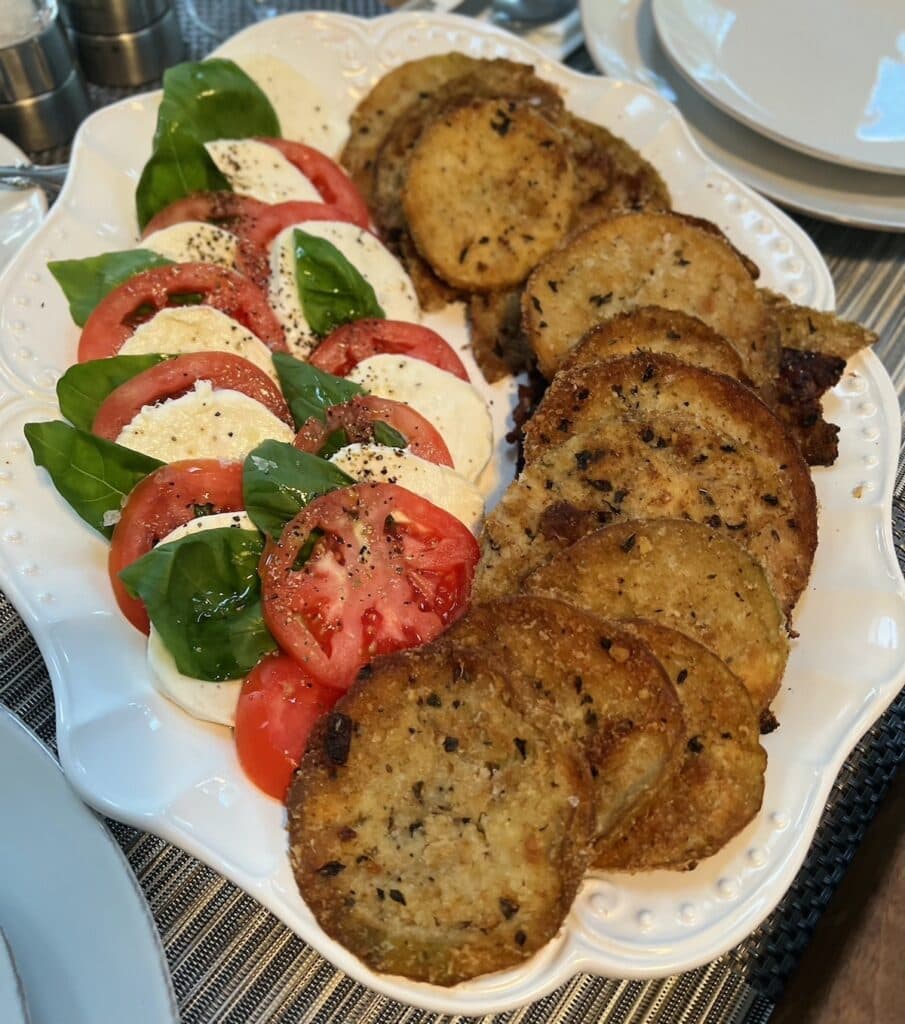
Fried Eggplant Caprese!
This is always a hit!
Eggplant cutlets go so well with fresh mozzarella, tomatoes and basil.
Italian Eggplant PASTA RECIPES
Few things make me happier than eggplant and pasta together. Whether it’s roasted until silky, simmered into a hearty sauce or paired with fresh summer tomatoes, these recipes are proof that simple Italian ingredients can create unforgettable meals.
Easy Pasta alla Norma with Roasted Eggplant

This lighter take on the Sicilian classic roasts the eggplant instead of frying it, proving you don’t have to sacrifice flavor for a simpler approach that also happens to be less messy. It’s one of my favorite ways to celebrate summer eggplant while staying true to the spirit of this iconic Italian pasta.
Bucatini with Ricotta, Slow-Roasted Eggplant and Tomatoes
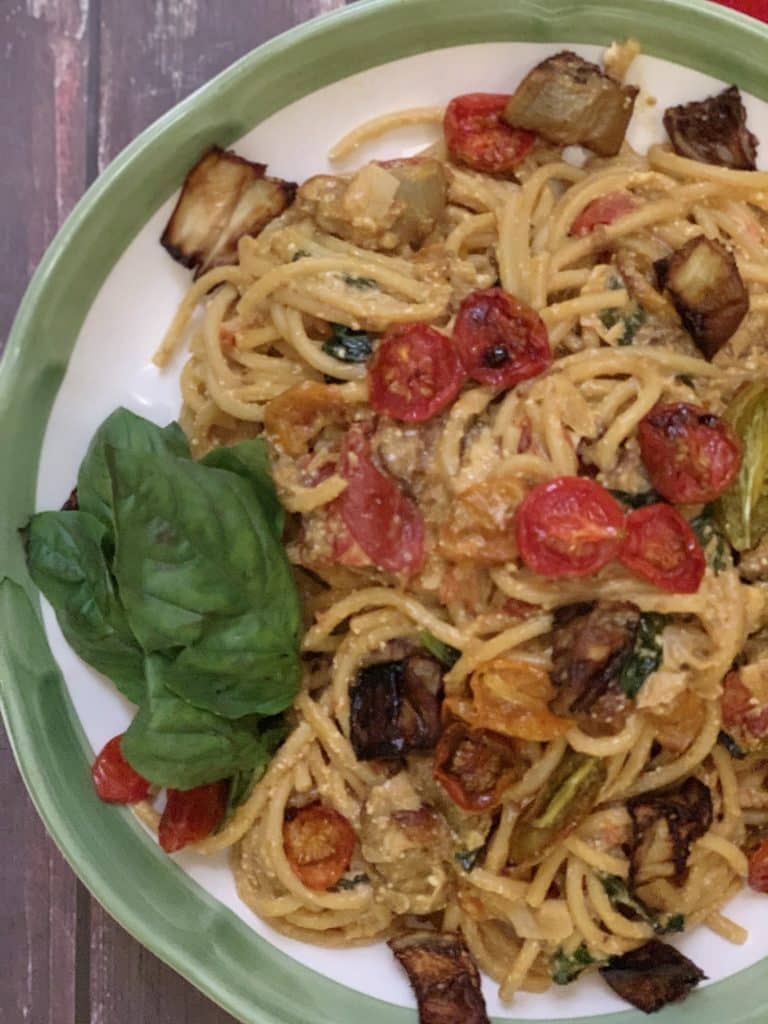
This is the very first recipe I ever shared on Mangia With Michele! It was inspired by a visit to New York City’s famous Union Square Greenmarket. Slow-roasted eggplant and tomatoes create a rich, silky sauce that’s both comforting and elegant.
Eggplant and Sausage Ragu
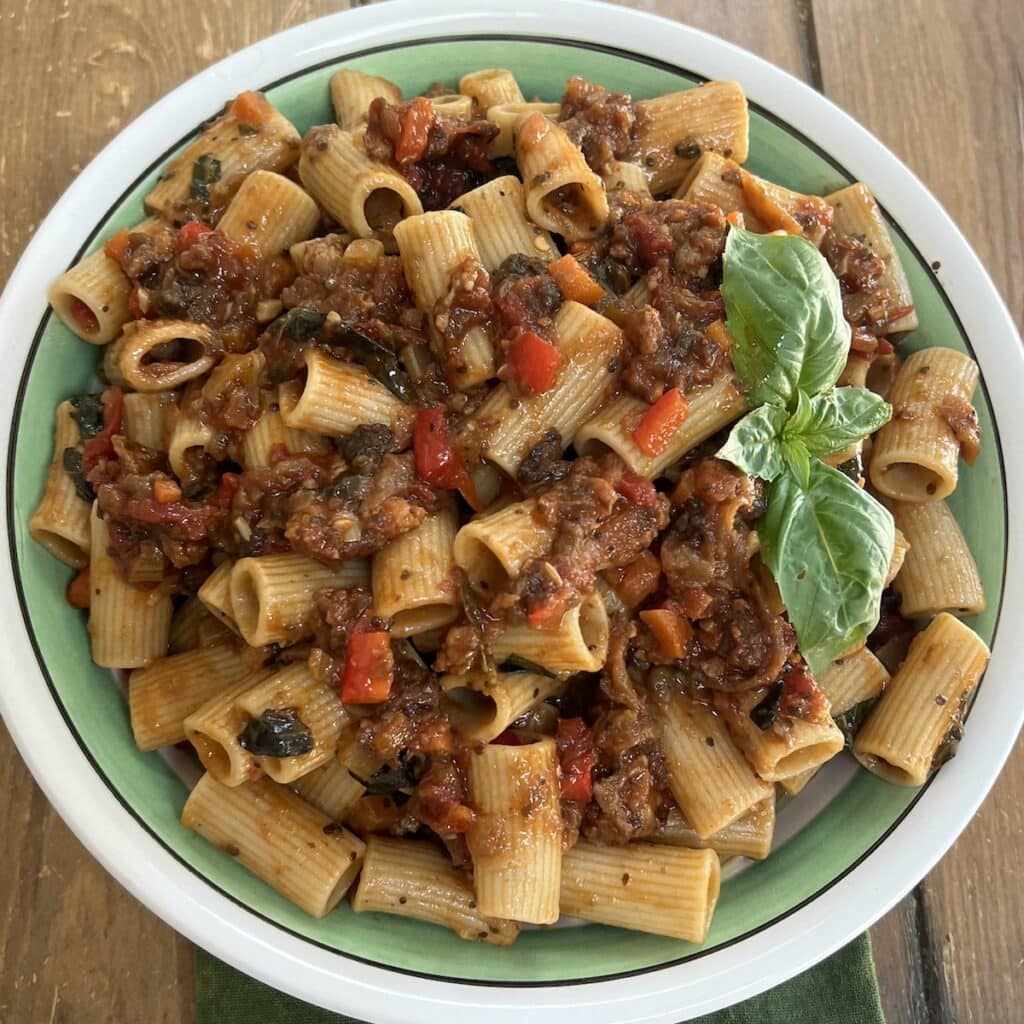
This is the kind of pasta I crave when I’m in the mood for something hearty and comforting. The combination of Italian sausage and tender eggplant creates a rich, satisfying ragù that’s also one of my favorite ways to use the abundance of eggplant from my backyard garden.
Italian Eggplant APPETIZERS & Light Bites
Some of my favorite Italian meals begin long before the pasta arrives. Whether you’re putting together an antipasto spread, hosting friends or simply enjoying a glass of wine with something delicious to nibble on, these eggplant recipes prove that a few simple ingredients can go a long way.
Fried Eggplant Cutlets (Eggplant Milanese

This recipe always reminds me of my mom, who could turn a single eggplant into a platter of golden, crispy cutlets that never lasted long. Today, it’s one of my readers’ favorite recipes because it’s just as delicious on its own as it is layered into eggplant parm, shingled into insalata caprese or tucked into a sandwich.
Roasted Vegetable Caponata (without tomatoes)

Inspired by an unforgettable meal in Rome, this roasted version skips the traditional frying and tomatoes in favor of a lighter approach that lets the vegetables shine. It’s a make-ahead favorite that’s just as welcome on an antipasto platter as it is alongside grilled meats or fish or, quite honestly, in a sandwich.
Marinated Grilled Eggplant

Most grilled eggplant is marinated before it hits the grill, but I do the opposite. By marinating it while it’s still warm, the eggplant absorbs even more flavor and the grill remains clean!
Roasted Eggplant and Tomato Spread
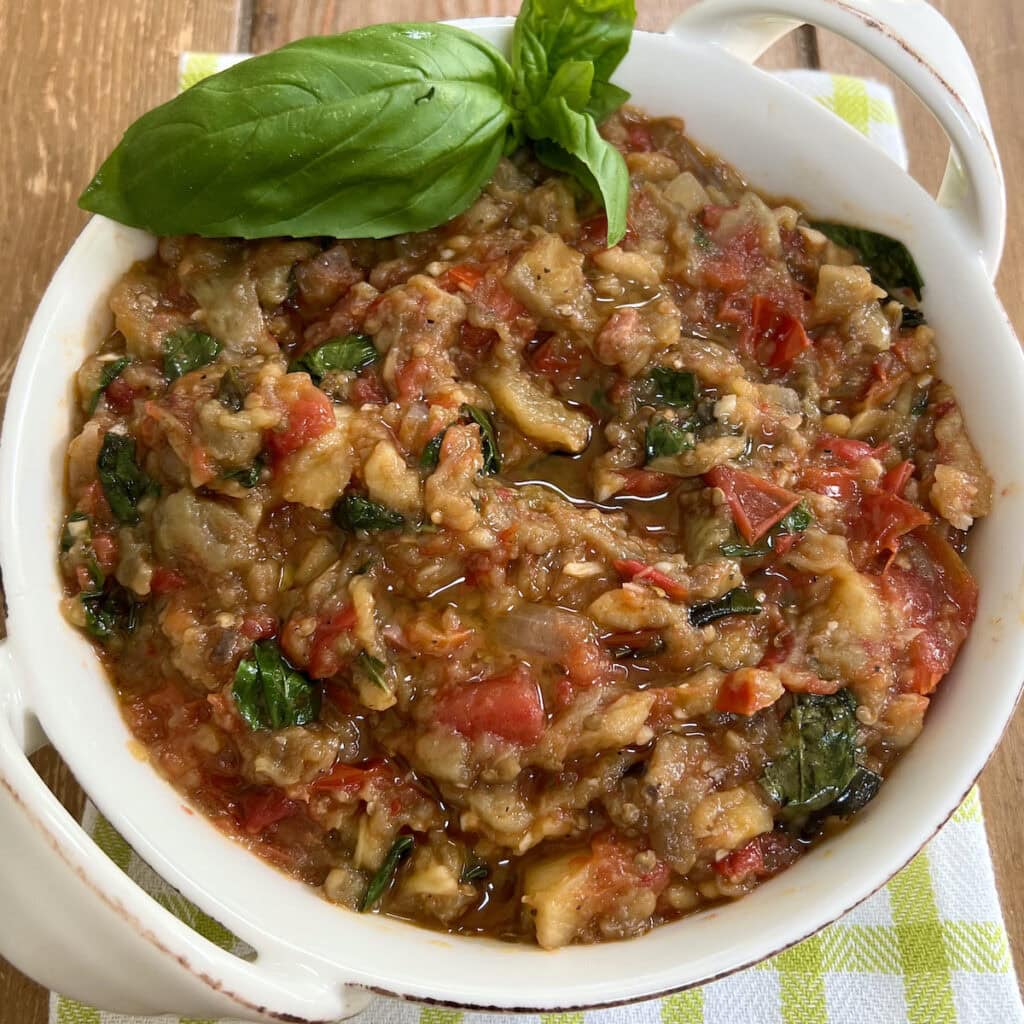
If you’ve never turned roasted eggplant into a creamy spread, you’re in for a treat. Smooth, rich and full of flavor, it’s just as delicious spread on crostini as it is served with fresh vegetables or crackers. Or even spread onto a sub followed by Italian meats and cheeses!
Italian Eggplant MAIN DISHES & SIDES
Eggplant is so much more than a supporting ingredient. These recipes transform it into the centerpiece of everything from cozy family dinners to impressive meals for entertaining.
Eggplant “Meatballs” (Polpette di Mealnzane)
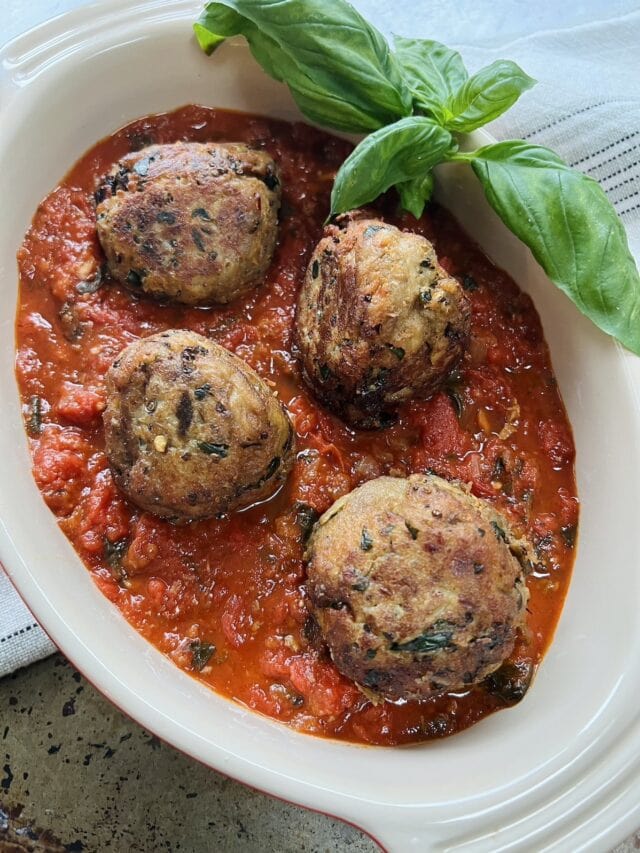
One of the most beloved recipes here at Mangia With Michele, these meatless eggplant “meatballs” are hearty, flavorful and so darn satisfying. Perfect for when you have a large eggplant haul and I promise you won’t miss the meat! They also freeze beautifully for up to three months.
Eggplant and Beef Meatballs
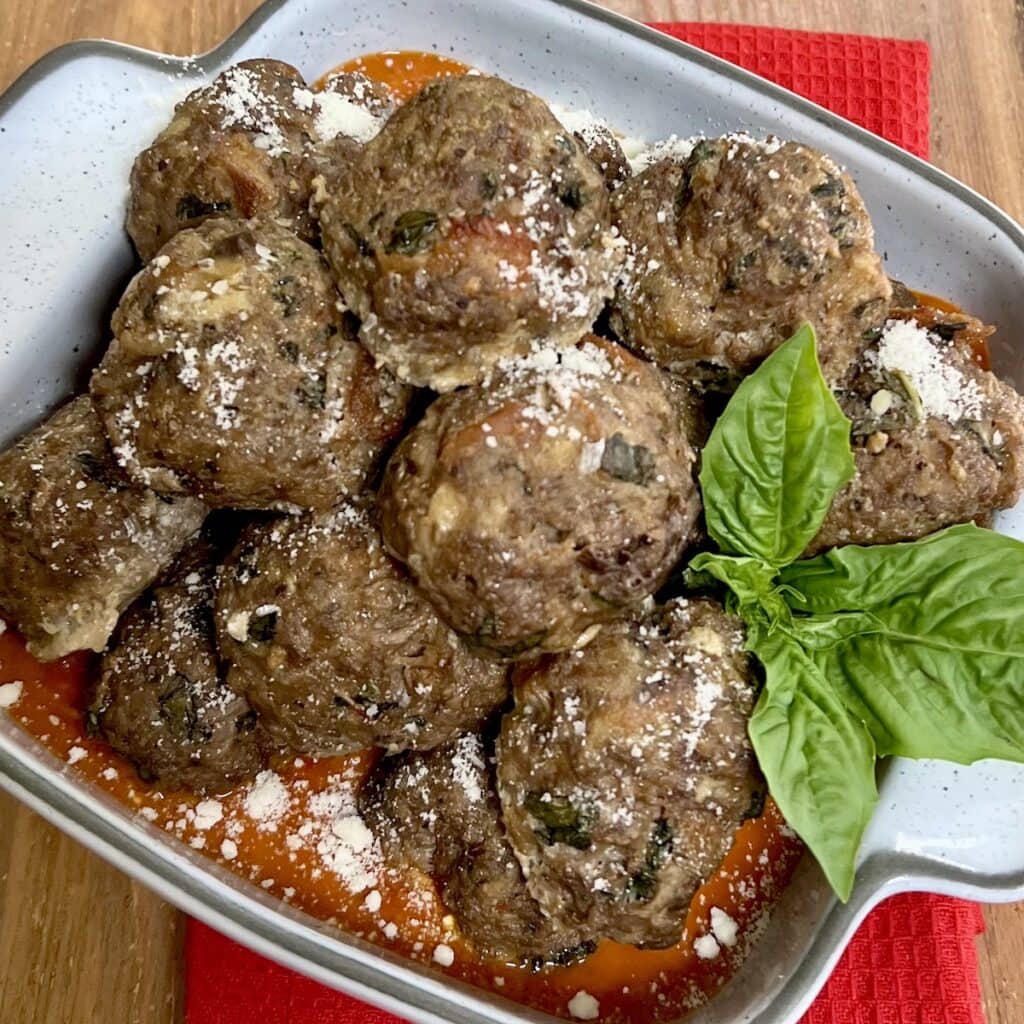
Can’t decide between classic meatballs and eggplant? This recipe gives you the best of both worlds, combining ground beef and tender eggplant for meatballs that are extra moist, flavorful and perfect for Sunday dinner. My Aunt Annie’s classic recipe!
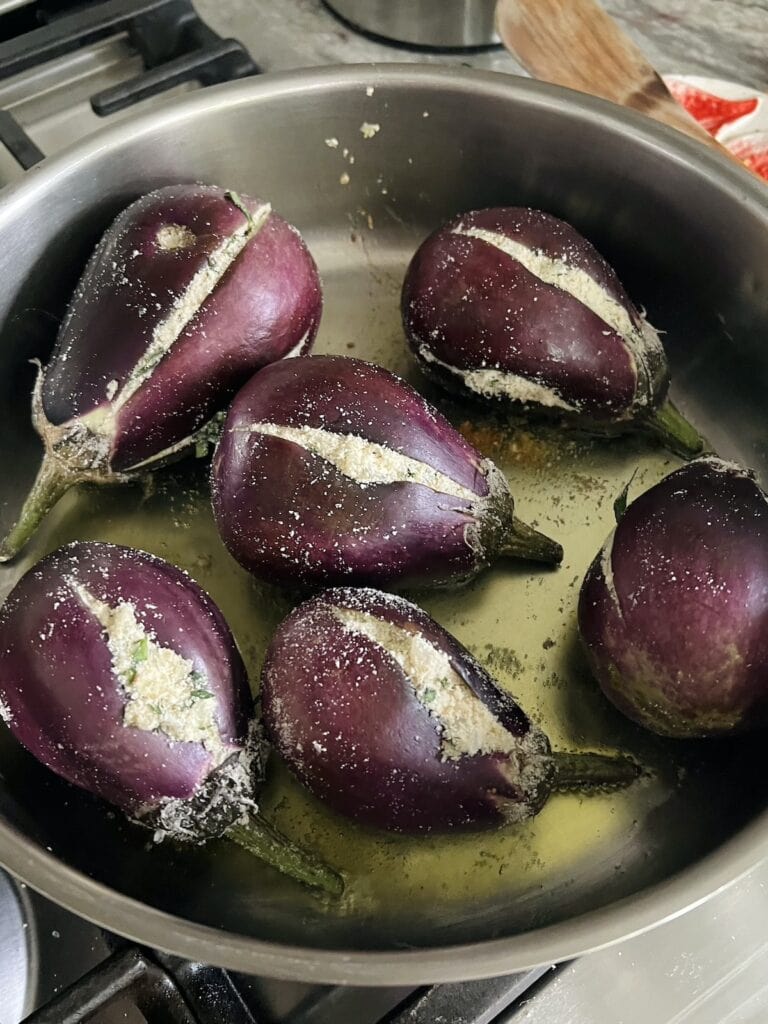
Sicilian-Style “Buttoned-Up” Stuffed Eggplant

This treasured family recipe comes from my Sicilian-American Aunt Mary and has been enjoyed around our table for years. Tender eggplant is filled with the savory stuffing that transforms a humble vegetable into an unforgettable meal.
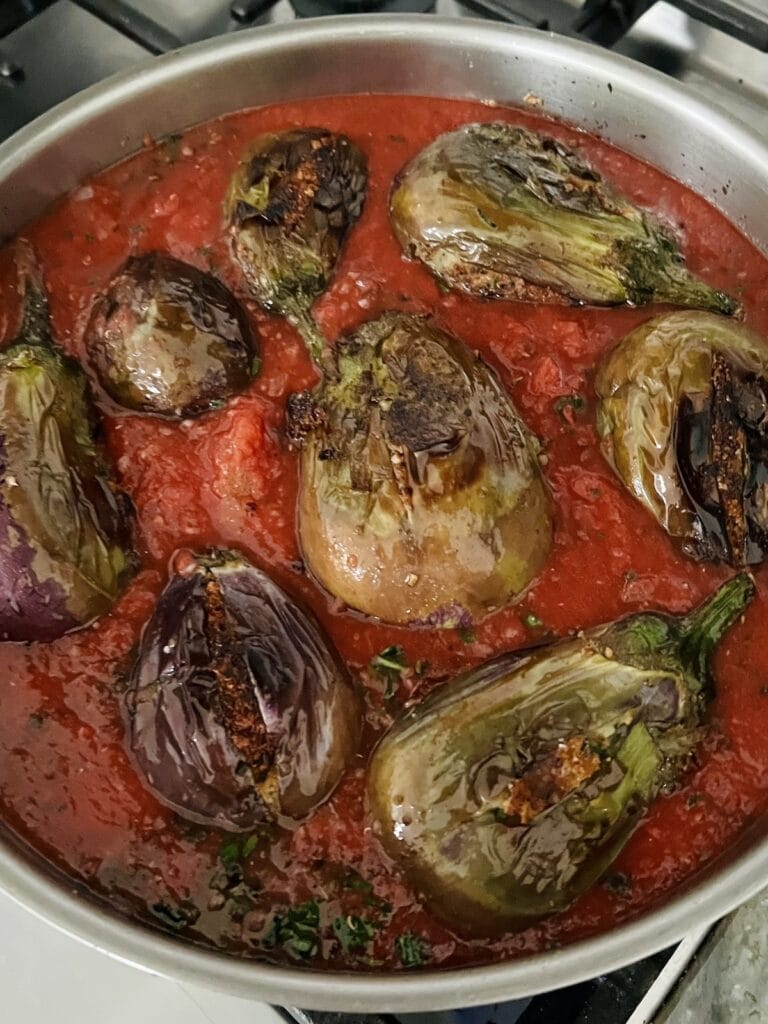
Stuffed Eggplant Boats

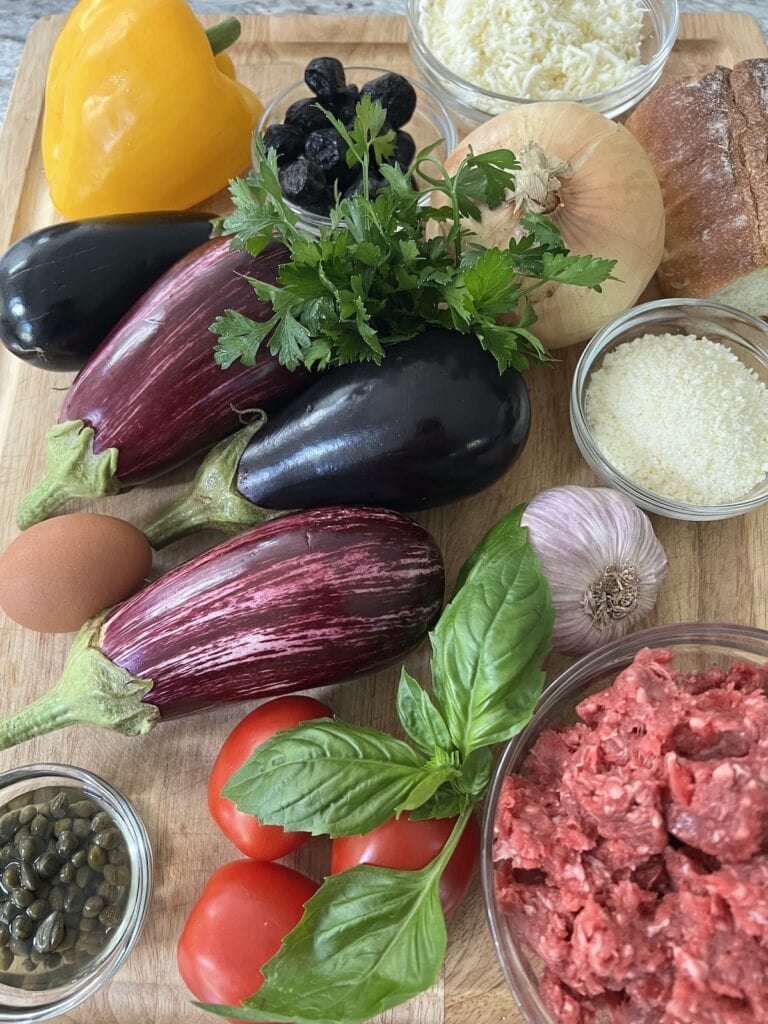
Filled with a savory mixture of beef, vegetables, bread, herbs and cheese, these stuffed eggplant boats are baked gently in tomato sauce until everything is tender and full of flavor. It’s the kind of rustic Italian-inspired meal that’s made for gathering everyone around the table. Also great for meal prep!
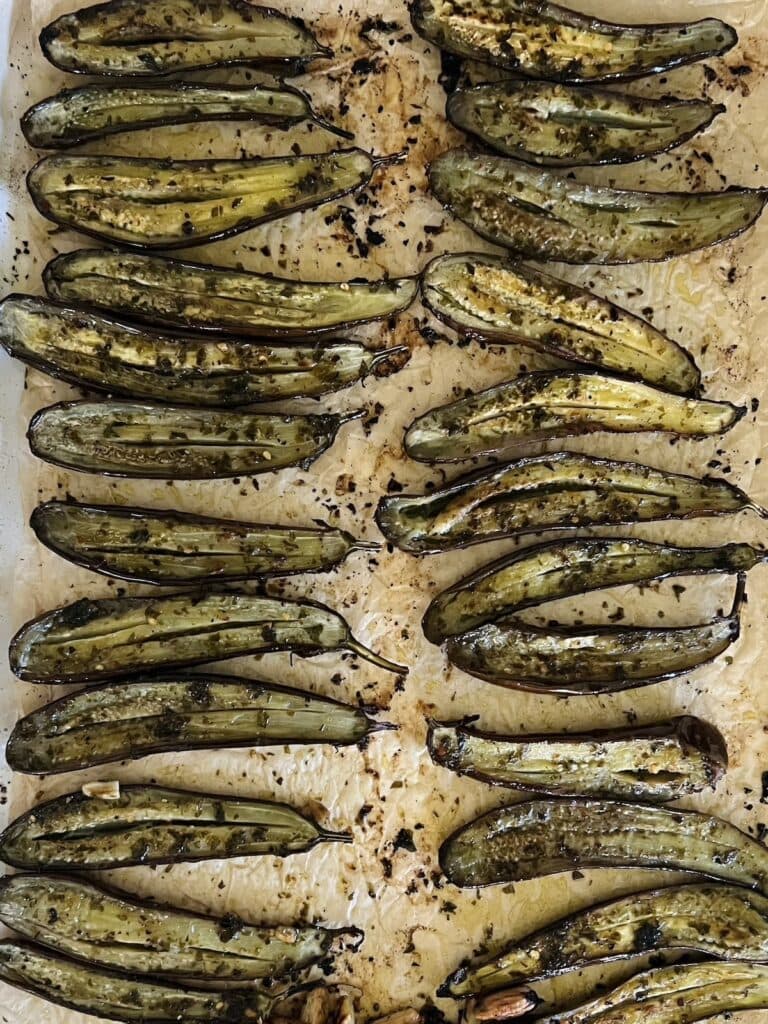
Roasted Baby Eggplant with Crispy Garlic and Herbs
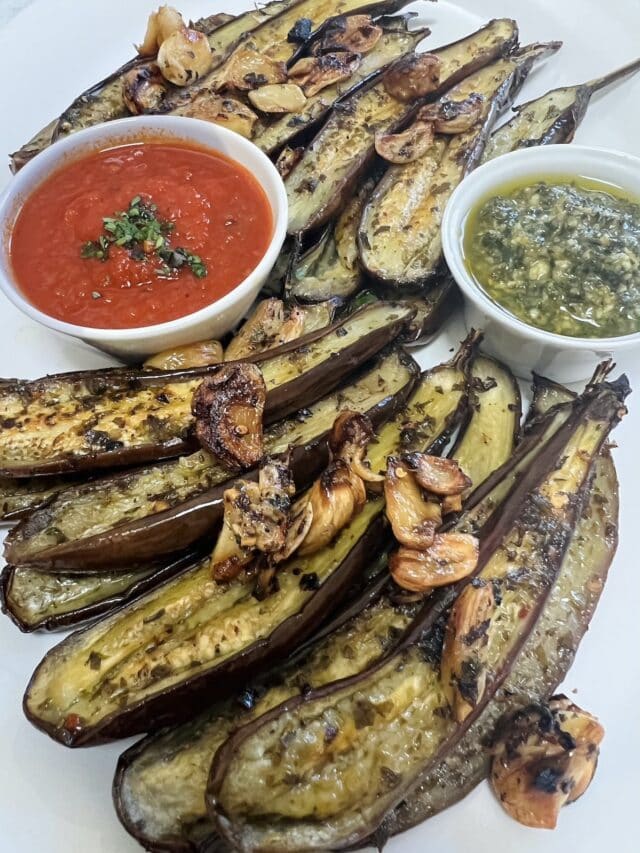
Don’t let their size fool you–baby eggplants are packed with flavor! Roasted until tender and finished with crispy garlic and fresh herbs, this simple recipe lets the eggplant truly shine. Plus, it can easily be adapted to make with any variety of eggplant.
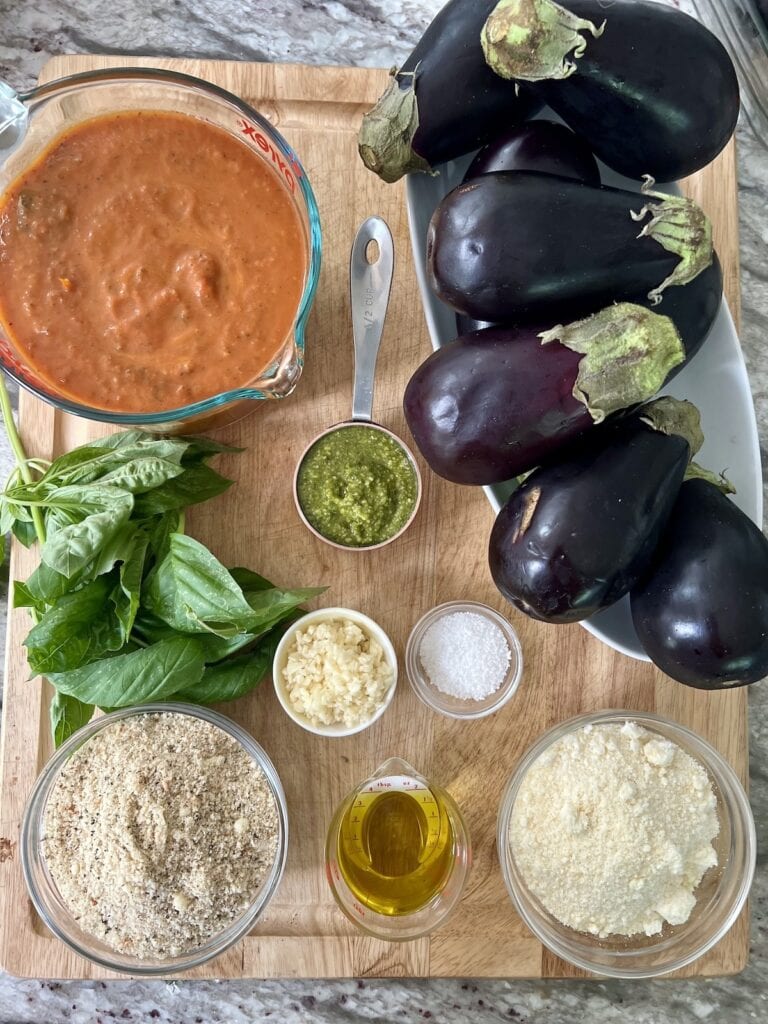
Easy Pesto Roasted Vegetables

This colorful roasted vegetable medley is one of the easiest ways to bring more vegetables to the table. Coated with pesto before baking, the veggies are full of flavor and pair with almost any other dish. They’re also great in a grilled panino sandwich!
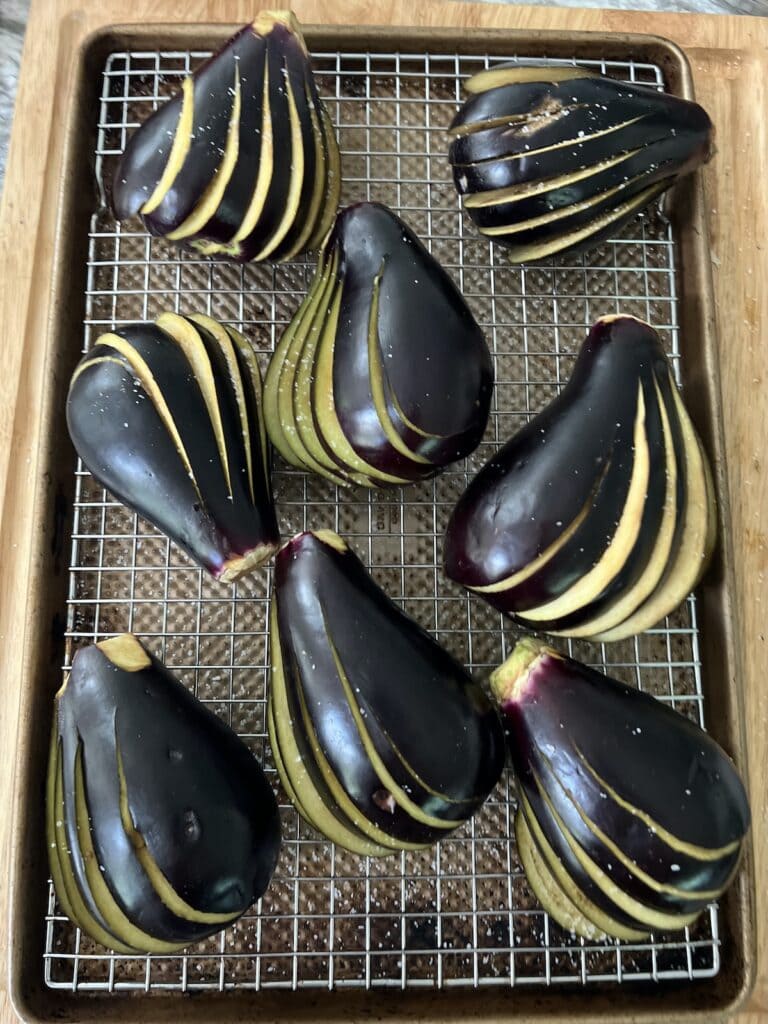
Hasselback Eggplant Fans
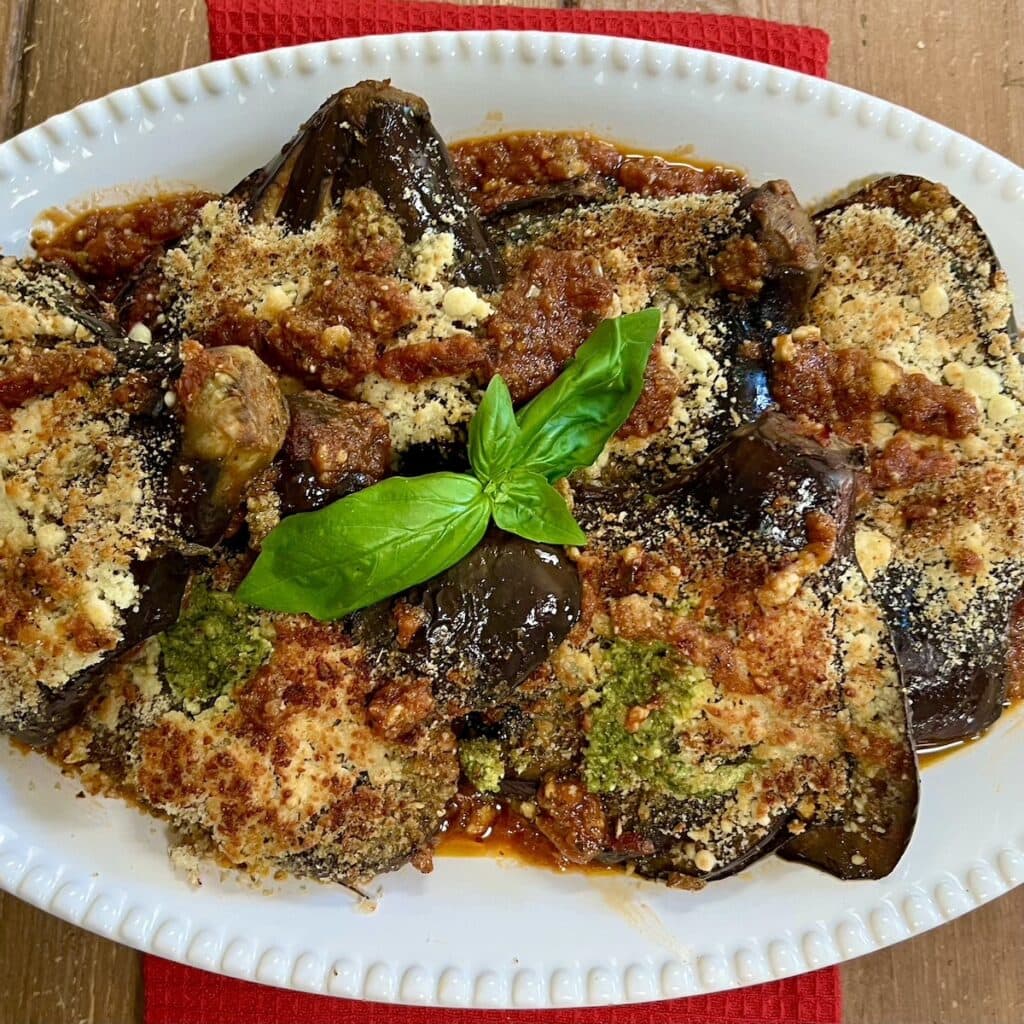
Inspired by the flavors of eggplant parm, these beautiful Hasselback eggplants are a lighter, more elegant twist on the classic. They’re just as impressive for entertaining as they are for a weeknight dinner.
Italian Eggplant SOUPS and STEWS
Eggplant may not be the first vegetable you think of for soup, but it creates an incredibly rich, creamy texture without feeling heavy. If you’ve never tried it, these recipes are a great place to start.
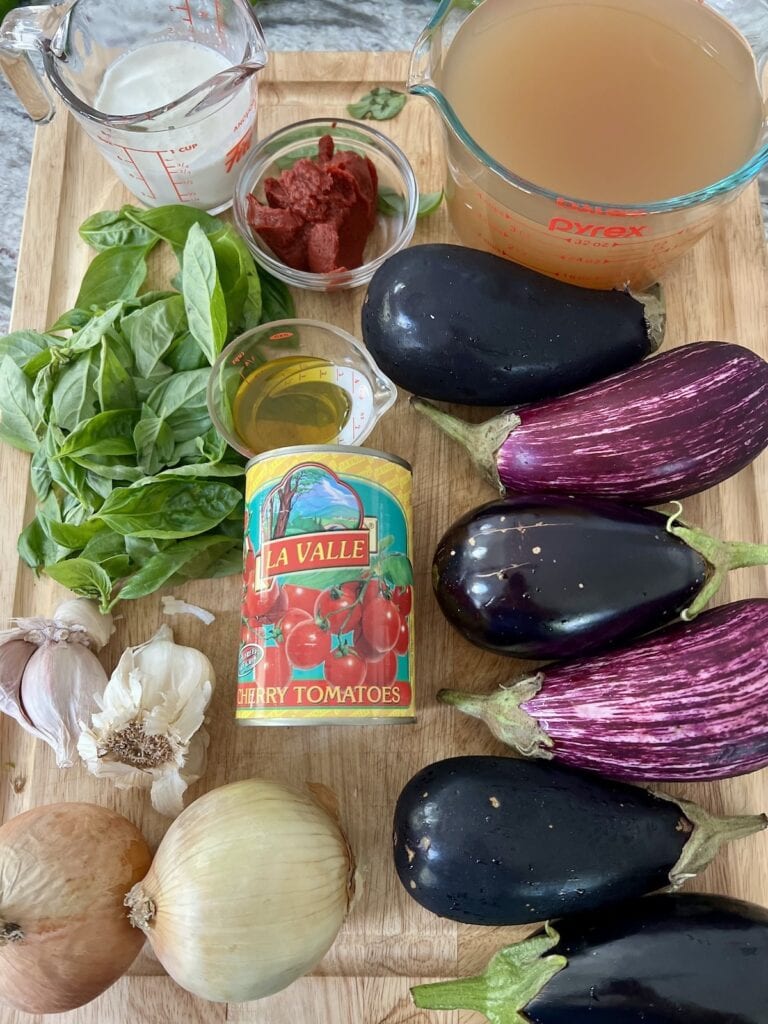
Creamy Eggplant Soup (One Pot)
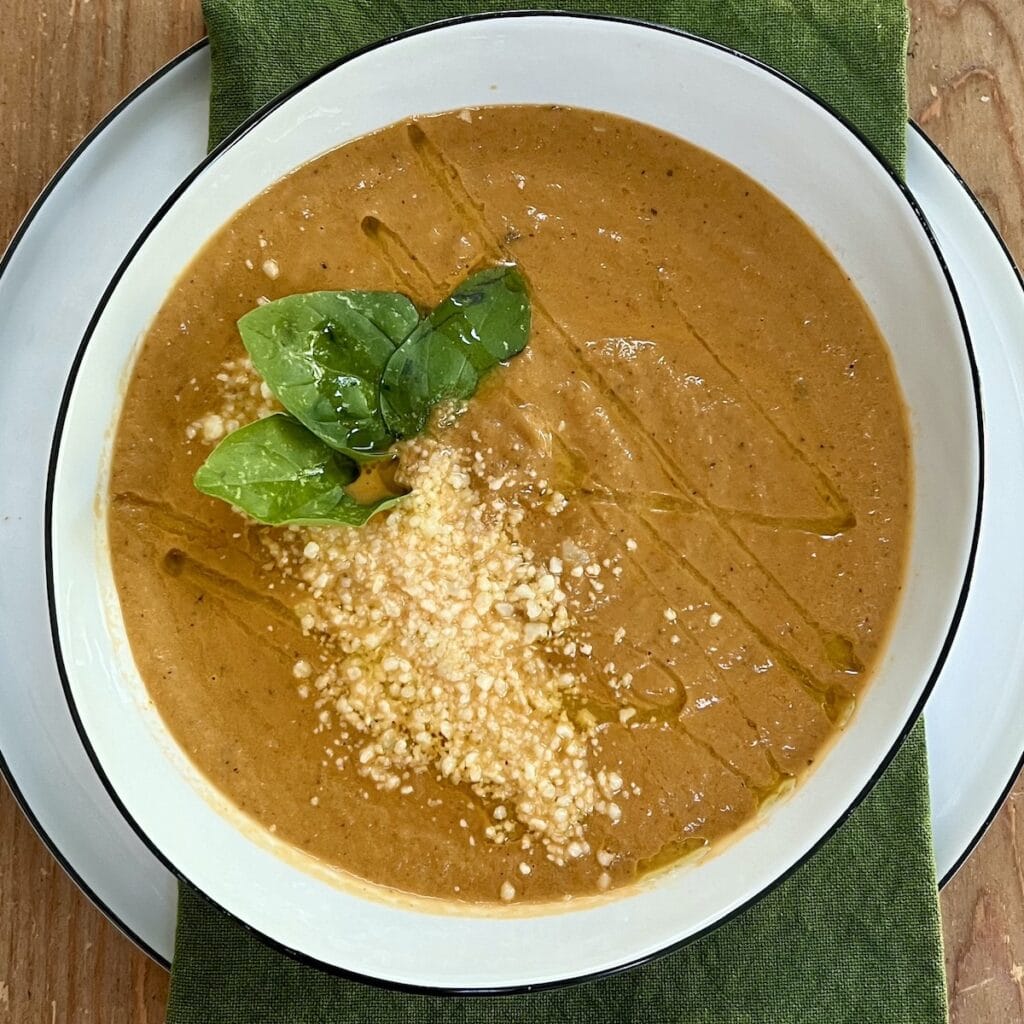
Eggplant gives this velvety soup an incredibly rich, hearty texture and a satisfying, almost meaty quality–all without any meat. Made in just one pot with no roasting required, it’s an easy recipe that proves this humble vegetable can do so much more than you might expect.
Ciambotta (Italian Vegetable Stew)
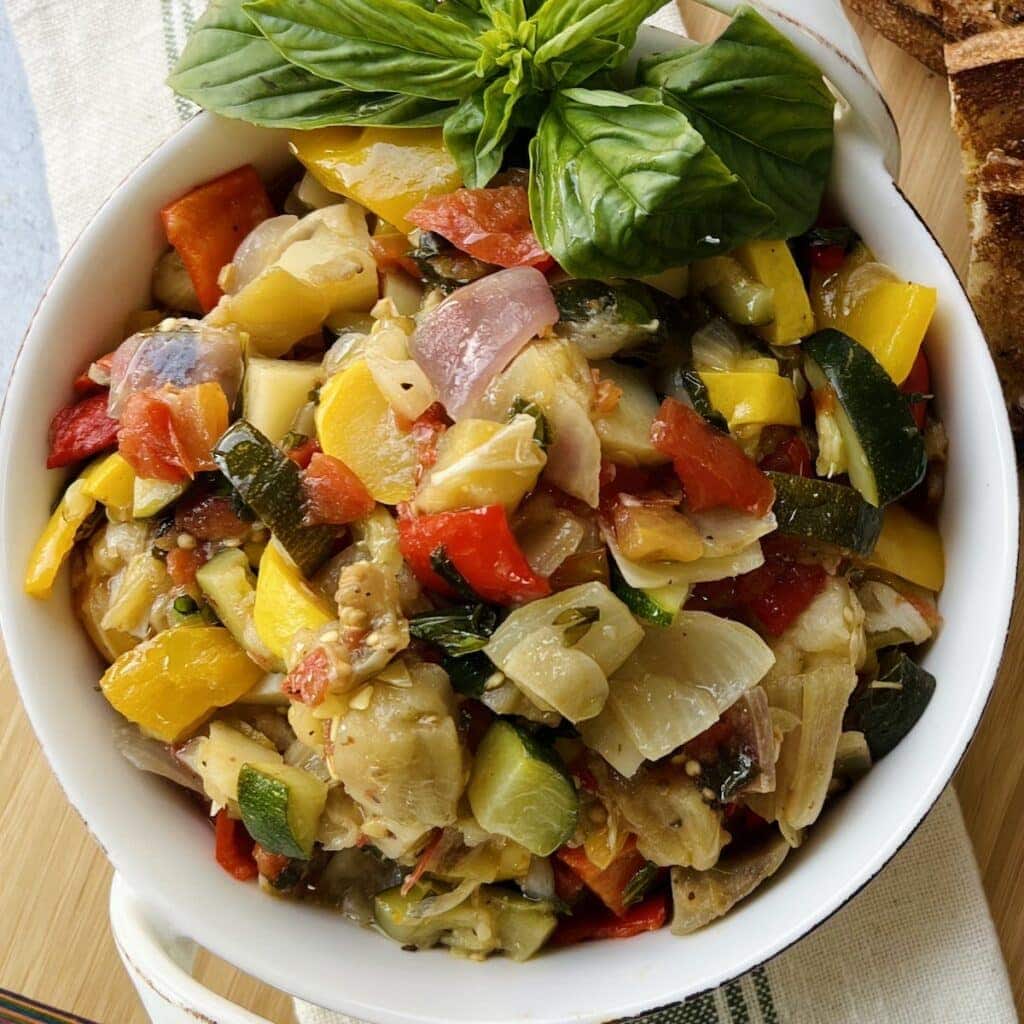
When summer gardens are overflowing, this rustic southern Italian vegetable stew is exactly what I crave. It’s packed with seasonal vegetables and is one of my favorite ways to celebrate peak summer produce.
Frequently Asked Questions About Eggplant
Usually, yes. While I recommend specific varieties for some recipes, most can be made successfully with whatever fresh eggplant you have available. One of the exceptions to this are the smaller “Italian” eggplants which really are best for stuffing. But again, almost any recipe can be adapted to work with multiple varieties of eggplant.
Yes! Many cooked eggplant dishes freeze beautifully, especially soups and casseroles like eggplant parm. I’ve also been known to freeze eggplant cutlets when I have a bumper crop of eggplant. (Please see each individual recipe for more detailed notes on freezing.)
I also recommend peeling larger eggplants before freezing since the skin can become a bit tough after thawing.
Modern eggplants are much less bitter than they used to be, so this isn’t as common as many people think. If you do come across a bitter eggplant, it’s usually older or overripe. Choosing firm, glossy eggplants is the best way to avoid it.
Many of them are actually even better the next day. Recipes like caponata, eggplant soup and stuffed eggplant all develop even deeper flavor after they’ve had time to rest, making them great choices for meal prep or entertaining.
If you’re just getting started working with eggplant, I recommend eggplant Milanese (it’s a classic!) or pasta alla Norma. Both are approachable recipes that showcase how delicious eggplant can be without requiring any complicated techniques.
Ready to Start Cooking Eggplant?
Whether you’re cooking with a single eggplant from the grocery store or a basketful from your backyard garden, I hope this guide gives you the confidence to explore all the delicious ways this incredible vegetable can be enjoyed. From authentic Italian eggplant dishes passed down through generations to easy weeknight dinners with my own twist, there’s truly an eggplant recipe for every table and every season.
If you make one of these recipes, I’d love to hear about it! Leave a comment, rate the recipe or tag me on social media so I can see what you’re cooking. And if you have a favorite eggplant recipe that’s been passed down through your family, I’d love for you to share that, too.
Mangia bene!
Bookmark this page! I’ll continue adding new eggplant recipes to this collection as I publish them, making it a growing resource for easy eggplant recipes, Italian-inspired meals and fresh seasonal inspiration year-round.