
This post may contain affiliate links or sponsored content. That means if you click on my link and buy something, I will earn a small commission from the advertiser at no additional cost to you. For more information, see our disclosure policy.
Pasta and Clam Sauce with Canned Clams–for when need some clams but all you have are cans!
Quicker, less fuss, more accessible and way more budget-friendly than fresh, live clams, canned clams are an unsung hero in your pantry. Here, they’re combined with artichokes and crispy pancetta in the most mouthwatering way possible to create your new favorite weeknight pasta!
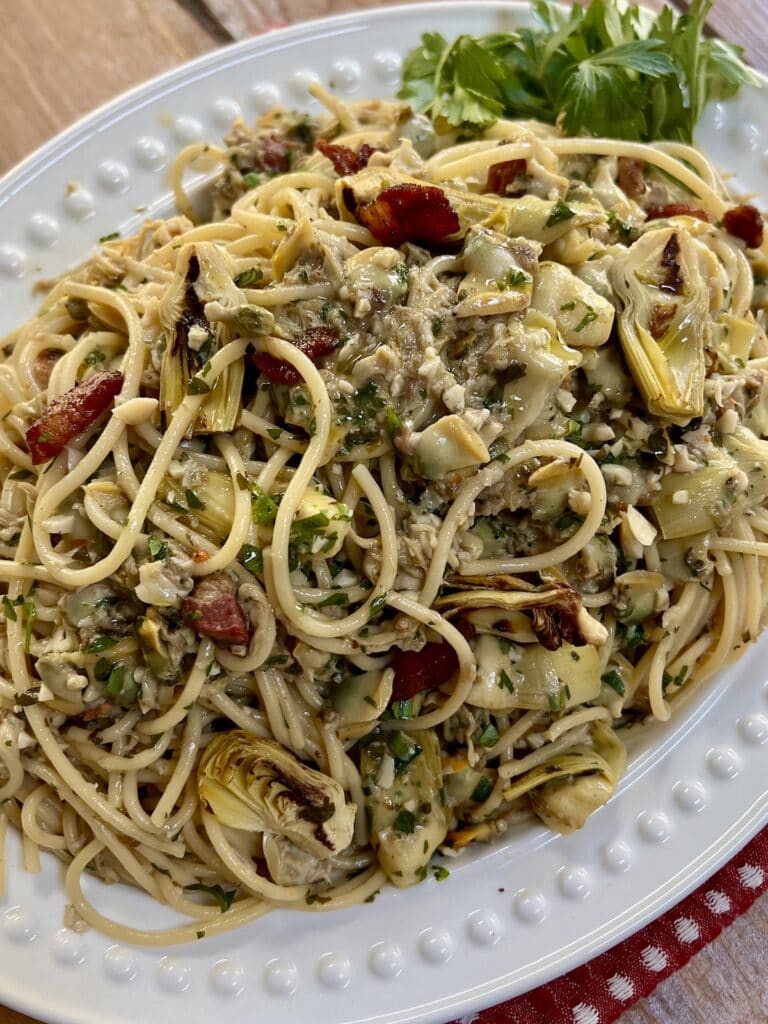
The pairing of clams and pancetta and clams and artichokes is not new. You’ll see these combos in various regions across Italy.
But surprisingly, you don’t really see these three ingredients together much at all. Until now!
Recently, I felt like a songwriter that just has to get lyrics down on the page or else he can’t move forward. For some reason, I had a clams, artichoke and crispy pancetta pasta combo on my mind and I wasn’t going to be able to move forward with any other recipes until I made it.
So, I headed into the kitchen and this is what I made. It’s outstanding.
The briny, sweet flavor of the clams perfectly complements the earthy and slightly bitter taste of the artichokes. And salty, cured, rich pancetta adds loads of umami and a really nice, crispy texture.
If you enjoy clams, also check out Sautéed Clams in Red Sauce and Stuffed Baked Clams Oreganata with Lemon Garlic Breadcrumbs.
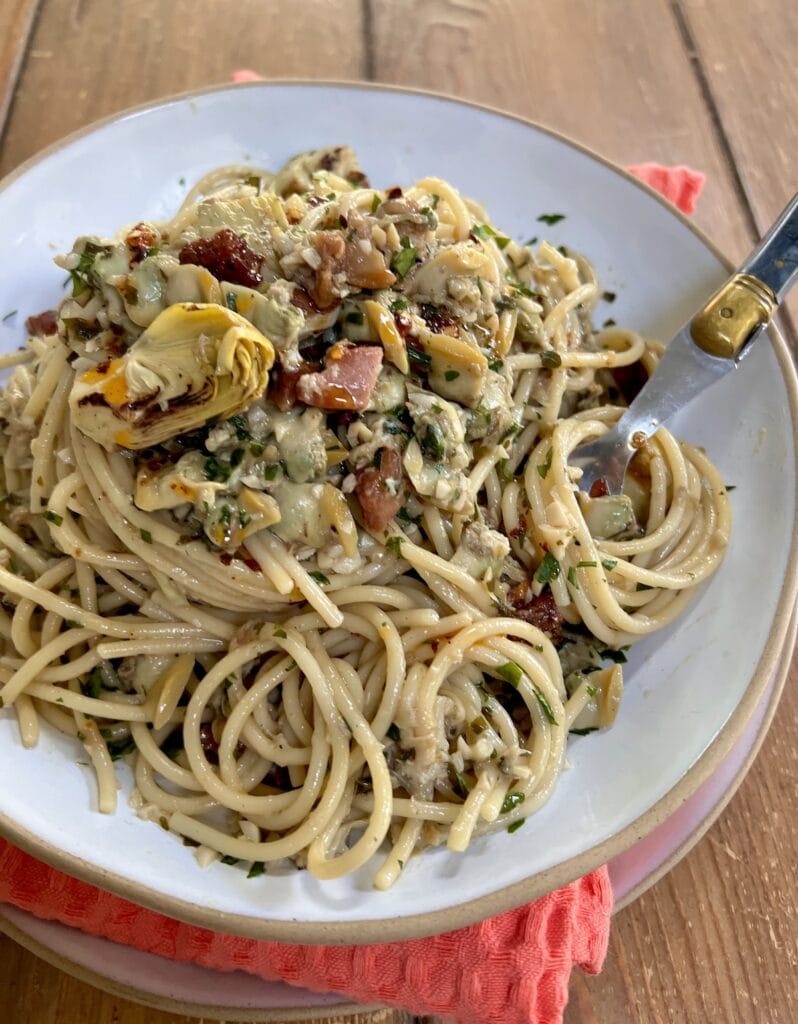
Clam Sauce with Canned Clams, Artichokes and Pancetta is a fun, unique take on “surf and turf” if I do say so myself.
And, once this recipe comes together with a garlicky white wine sauce, fresh parsley, red pepper flakes, extra-virgin olive oil and a touch of butter, you’ll swear you’re dining at your favorite Italian trattoria!
Don’t get me wrong–a classic linguine alle vongole made with fresh, live clams is a perfect, timeless dish IMHO but sometimes it’s fun to experiment and try something new and different…and much quicker and easier, too!
Savory pasta with canned clams, pancetta and artichokes is surprisingly easy to throw together with mostly pantry staples in about 40 minutes. It’s also a great addition to your Christmas Eve Feast of the Seven Fishes menu!
So grab yourself some crusty bread and simple green salad because that’s all you need to go along with it. Mangia bene!
Looking for a pasta recipe with fresh clams? Check out Linguine with Red Clam Sauce.
Table of Contents

Canned vs. Fresh Clams
While fresh, live clams can’t be beat for their unmatched briny flavor, they generally involve more planning and expense. And, sometimes when the craving for linguine and clams hits, you just want an easy dish to satisfy you and come together quickly. Plus, there’s not purging required!
Since canned clams are shelf stable, you can keep them on hand in the pantry (and I always do!) and use them whenever you have a hankering. Plus, because they’re fully cooked, you can use them straight from the can without any extra cooking (just heating).
Canned seafood, in general, is great to have stocked in your pantry. In addition to canned clams, I keep tinned sardines, tuna and (lots of) anchovies on hand at all times so I can easily throw together a simple dish like Sicilian sardine pasta or tuna sauce. And, anchovies, well they go in so many recipes!
Another advantage of canned clams is they can 100% be used, i.e., there is no “shrink” or waste. With fresh clams, there are almost always a few that don’t open and need to be discarded.
And lastly, canned clams are much more economical than fresh, live clams. An important consideration!

How to Make Clam Sauce with Canned Clams
- Prep all ingredients. Put a large pot of water on to boil. Dice pancetta. Chop garlic and parsley, Quarter artichoke hearts. Strain clams and reserve juice.
- Slowly cook pancetta over medium-low heat until it becomes crispy and most of the fat has been rendered.
- Remove pancetta with slotted spoon and set it aside. Remove all but about 4 tablespoons of rendered fat from the pan.
Pro-Tip
Hot oil splashing up at you? Use a splatter screen when crisping the pancetta to keep things cleaner and (you) safer!


- Add garlic, crushed red pepper and parsley to pan and cook until the garlic has softened and browned a bit.
- Then, add wine and black pepper and scrape up any brown bits.
- Pour in clam juice, cover pan and simmer for about 5 minutes.


- Once water comes to a boil, cook pasta for 2 minutes less than the package instructions, or two minutes less than al dente.
- After the pasta has been cooking 5 minutes, add artichokes and strained clams to sauce just to heat through.
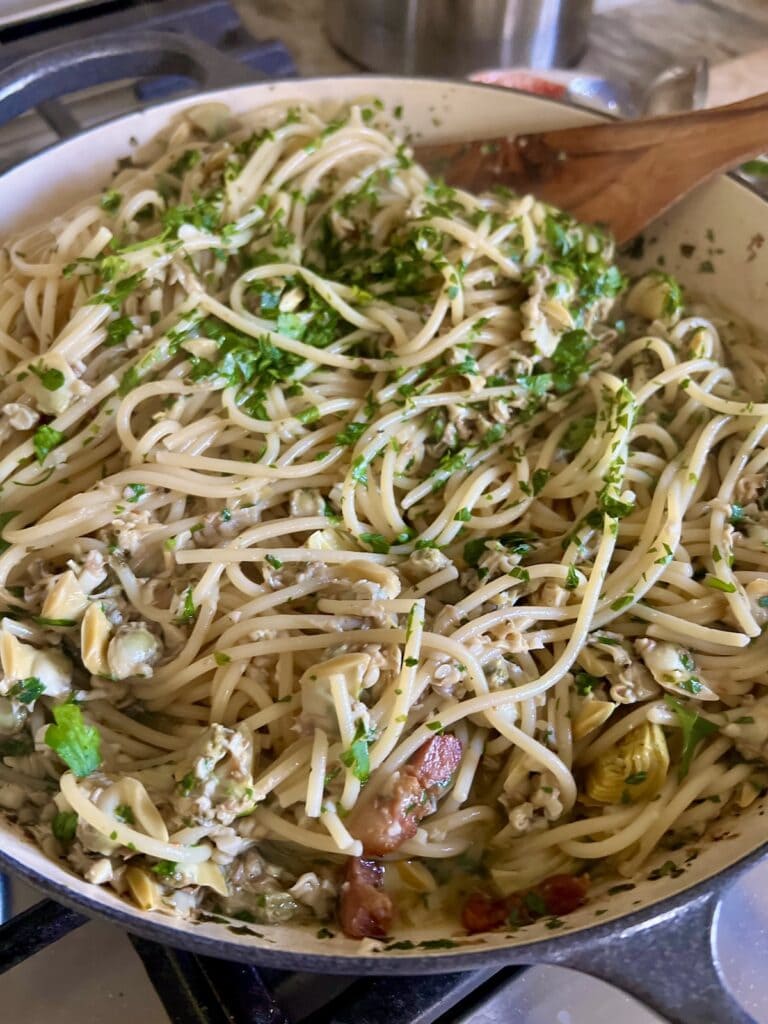
- When pasta is ready, transfer it to clam sauce and stir well to fully combine all ingredients and let the pasta finish cooking in the sauce and absorb all of those wonderful flavors!
Pro-Tip
The dish may seem a bit soupy at this point with more liquid than you’re used to, but don’t worry–the sauce will get absorbed by the pasta.


- Next, add remaining parsley, reserved crispy pancetta and butter and stir gently until all ingredients are combined fully.
- Finish with a light drizzle of extra virgin olive oil and some freshly ground black pepper and enjoy!
Pro-Tip
You can add some of the extra clam juice (heated) at any point if you feel it’s needed/if the dish is getting a bit dry.



More Seafood Pasta Favorites
- Spaghetti and Crabs
- Shrimp Arrabbiata Pasta
- Scungilli Marinara
- Calamari Ragu Fra Diavolo
- Linguine with Red Clam Sauce
- Shrimp Scampi Pasta with Arugula
- Bucatini with Tuna Sauce
- Quick and Easy Pasta with Lump Crabmeat
- Tuna Pasta with Pesto
- Sicilian Pasta con Sarde (Bucatini with Sardines)

Frequently Asked Questions
Yes, the canning process cooks the clams, so they don’t need to be cooked again. In this recipe, the canned clams are added to the sauce toward the very end just to heat through. Don’t overcook the clams as they may become rubbery.
While chopped clams can be used here, I prefer the whole baby clams, or at least a mixture of both whole and chopped, so that you get some solid chunks of clams in the finished dish. I don’t recommend minced clams for this recipe as they’re too small and lack texture.
Yes, clam juice (the liquid in the can along with the clams) is an important part of this recipe. It has a signature brininess and flavor and will add loads of umami (savoriness) to the finished dish. Clam juice does contain a fair amount of salt, so be aware of this if sodium is a concern. (There’s no additional salt added to the recipe below because of this.)
You can use bottled clam juice in place of reserved clam juice fyi.
Pancetta is basically unsmoked Italian bacon and adds fat, flavor, saltiness and texture to the dish.
FYI, unused pancetta freezes really well for up to 3 months. Just wrap a few slices together (or about 1 cup of diced pancetta pieces) in individual packets so you only have to thaw the amount you need for future recipes.
Definitely. If you’d like to use fresh, live clams in place of canned, I suggest two dozen clams (top neck or littleneck are best) for one pound pasta. Follow the tips in my Linguine with Red Clam Sauce recipe for instructions on how to handle live clams for this recipe.


Recipe Substitutions and Variations
- Keep It Simple: Want a more basic linguine with clams? Just leave out the pancetta and artichokes. In this case, I suggest adding in 2-3 anchovy filets to the pan along with the garlic at the beginning of the cooking process.
- Add olives: For additional brininess and an umami punch, add some chopped black, oil-cured olives to the pan along with the garlic.
- Use fresh, live clams: Follow the procedures in my Linguine with Red Clam Sauce recipe for instructions on how to handle live clams for this recipe.
- Pancetta: You can substitute guanciale or diced prosciutto in place of the pancetta. While bacon can be substituted, it has a stronger, smoky flavor and may overpower the other ingredients, so it is not my favorite here. If you decide to use bacon, use about half the amount called for.
- By the way, if you love pancetta + pasta, check out my easy Italian pasta with peas recipe.
- More heat: If you’d like more picante in this dish, either increase the amount of red pepper flakes or add a little Calabrian chili paste to the pan along with the garlic (or both!) And don’t forget to drizzle some homemade spicy pepper oil over the finished dish!
- For greater fishy flavor, drizzle a little colatura d’alici (basically, Italian fish sauce) over the finished dish at the same time that the butter is added. Be judicious, though, as it is salty.
- Want some crunch? Top spaghetti with canned clams with some toasted fine or panko breadcrumbs.
Craveable Upgrades!
- Lemon zest
- Chili oil
- Toasted breadcrumbs
- Black, oil-cured olives
- Extra hot pepper
Love artichokes + pork + pasta? Check out Artichoke Sausage Pasta with Lemon and Basil.
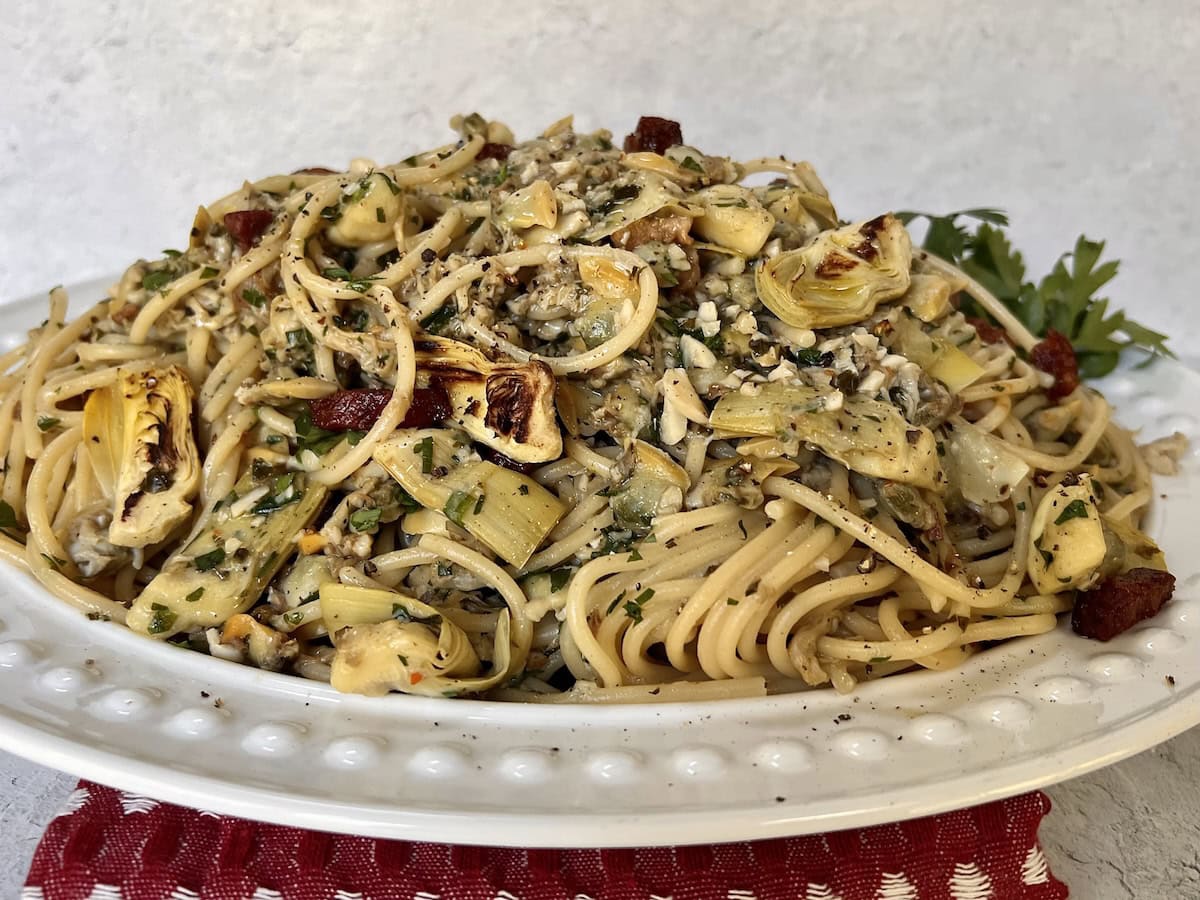
TOP TIPS for Clam Sauce with Canned Clams
- Canned Clams: While chopped clams can be used here, I prefer the whole baby clams, or at least a mixture of the two, so that you get some solid chunks of clams in the finished dish.
- I don’t recommend minced clams for this recipe as they’re too small and lack texture.
- Pancetta: Make sure to remove the pancetta from the pan after crisping it, then add it back at the very end for the full, crispy texture effect.
- Pasta: I used vermicelli pasta here, which is a bit thinner than spaghetti, but this recipe works perfectly with spaghetti, linguine and bucatini.
- I also love it with shorter, chunkier paccheri pasta, which is often paired with seafood and, believe it or not, gnocchi (which is traditionally paired with clams in Rome).
- Salt: Salt to taste, but you may not need an as both the pancetta and clams/clam juice are quite salty. I did not add any salt here.
- Butter and Olive Oil: Don’t forget to add some butter and high quality, extra-virgin olive oil to the finished dish for an additional hit of flavor and richness (restaurant-style).
- Store leftovers in an airtight container in the refrigerator for up to 4 days. Reheat them, covered, in a small skillet over medium low heat with a little bit of water until heated through.
- I don’t recommend freezing leftovers.
Try serving this recipe with sautéed broccoli di rabe, escarole, roasted zucchini or a simple cucumber tomato salad. All pair really well with the flavor forward pasta. And, don’t forget to serve it with a little homemade Italian chili oil for a final kick of heat!
Clam Sauce with Canned Clams, Artichokes and Pancetta

Video
Equipment
- Large Skillet or Dutch oven
Ingredients
- 1 heaping cup diced pancetta, (5-6 ounces)
- 1 Tbsp olive oil
- 3-4 Tbsp chopped or thinly sliced garlic , (use more or less, as desired)
- ¼ tsp crushed red pepper
- ⅓ cup chopped flat-leaf parsley leaves, divided in half
- 1 cup dry white wine, such as Pinot Grigio
- ¼ tsp ground black pepper
- About 1½ cups strained clam juice from canned clams , (reserve the rest; see Notes.)
- 1 pound pasta, + salt for pasta water (See Notes.)
- 3-4 (10-ounce) cans whole baby clams , (strain and reserve juice (see above and Notes.)
- 1 (14-ounce) can artichoke hearts or quarters, drained (quarter first if whole; about 1 heaping cup quartered artichoke hearts)
- 2 Tbsp butter, at room temperature
- Extra virgin olive oil, for drizzling
- Freshly ground black pepper , (optional)
Instructions
- Gather and prep all ingredients according to specifications above. Put a large pot of water on to boil.(Please see the section above in the blog post for Step-By-Step instructions with photos.)
- Cook pancetta: Place pancetta and oil in large pot or Dutch oven over medium-low heat. Slowly cook it until it becomes crispy and most of the fat has been rendered. (This could take 6-12 minutes, depending on the type of pan used.) Remove pancetta with slotted spoon and set it aside. Remove all but about 4 tablespoons of rendered fat from the pot and use for other purpose or discard. (If you don’t have enough rendered fat, add some olive oil to compensate.) NOTE: If the pancetta starts to brown/crisp but no or not enough fat has been rendered yet, turn the heat down a bit and cover the pan for a few minutes. Alternatively, if fat has rendered but the pancetta is taking a while to crisp, increase the what a bit.1 heaping cup diced pancetta, 1 Tbsp olive oil
- Add the garlic, crushed red pepper and half the chopped parsley to the rendered fat in the pan. Cook for 4-5 minutes or until the garlic has softened and browned a bit, stirring occasionally. You can cover the pan to speed this process up a bit if desired.3-4 Tbsp chopped or thinly sliced garlic , ¼ tsp crushed red pepper, ⅓ cup chopped flat-leaf parsley leaves
- Then, pour the wine and black pepper in the pan and scrape up any brown bits.1 cup dry white wine, ¼ tsp ground black pepper
- Add clam juice, cover pan and bring to a simmer. Uncover and simmer for about 5 minutes or until the alcohol taste has cooked off. (Taste test to determine this.)About 1½ cups strained clam juice from canned clams
- Meanwhile, once the water comes to a boil, add salt, then the pasta and cook it for 2 minutes less than the package instructions, or two minutes less than al dente. Be sure to reserve at least 1 cup of the starchy pasta water (which you may or may not need.)1 pound pasta
- After the pasta has been cooking 5 minutes, add the artichokes and strained clams to the sauce just to heat through. Hold the sauce on warm while the pasta continues to cook.3-4 (10-ounce) cans whole baby clams , 1 (14-ounce) can artichoke hearts or quarters
- When the pasta is ready, transfer it to the chunky clam sauce and increase the heat to medium. Stir well to fully combine all ingredients and let the pasta finish cooking in the sauce and absorb all of those wonderful flavors! Add pasta water or reserved clam juice if more moisture is needed.NOTE: The dish may seem a bit soupy at this point with more liquid than you’re used to, but don’t worry–the sauce will get absorbed by the pasta.
- Then, add the remaining parsley, reserved crispy pancetta and butter and stir gently until all ingredients are combined fully.NOTE: Another serving option is to only return half of the reserved pancetta to the cooked pasta during the final step, then use the remaining crispy pancetta to top off each individual bowl.2 Tbsp butter
- Finish with a light drizzle of extra virgin olive oil and some freshly ground black pepper and enjoy. Buon Appetito!NOTE: You can add the extra clam juice (heated) at any point if you feel it’s needed/if the dish is getting a bit dry.
Notes
- *The canned clams are already cooked and only need to be heated up in the sauce at the end. Don’t overcook the clams as they may become rubbery.
- I used 4 cans whole baby clams in this recipe, but you can make it with 3 cans. Four cans will give you more clams (obviously) and yield a heartier, fuller pasta. Your choice.
- Strain the canned clams from the clam juice and hold them separately.
- You may not need all the clam juice.
- Three cans of clam will yield almost 2 cups clam juice while 4 cans will yield about 2½ cups clam juice.
- I generally will start with about 1½ cups clam juice and then add more as needed once the pasta is added to the sauce.
- You can also keep the extra clam juice warm and add it to the finished dish if you feel it needs a bit more moisture.
- FYI, sometimes you can find ready-to-eat clams in vacuum sealed bags or in the freezer section of the grocery store, though they are less common. If you use these, you’ll need to purchase clam juice separately for this recipe.
- While chopped clams can be used here, I prefer the whole baby clams, or at least a mixture of the two, so that you get some solid chunks of clams in the finished dish.
- I don’t recommend minced clams for this recipe as they’re too small and lack texture.
- You can use bottled clam juice in place of reserved clam juice.
- Purchase thick slab pancetta (as opposed to thin slices) so that you can properly dice it. You can also purchase already diced pancetta.
- Make sure to remove the pancetta from the pan after crisping it, then add it back at the very end for the full crispy texture effect.
- You can substitute guanciale or diced prosciutto in place of the pancetta.
- While bacon can be substituted, it has a stronger, smoky flavor and may overpower the other ingredients, so it is not my favorite here. If you decide to use bacon, use about half the amount called for.
- Hot oil splashing up at you? Use a splatter screen when crisping the pancetta to keep things cleaner and (you) safer!
- Unused pancetta freezes really well for up to 3 months. Just wrap a few slices together (or about 1 cup of diced pancetta pieces) in individual packets so you only have to thaw the amount you need for future recipes.
- If you’ve purchased whole artichoke hearts, be sure to slice them into quarters before using.
- You can also chop them into smaller pieces if that’s what you prefer.
- For this recipe, it’s best to purchase plain artichoke hearts in brine as opposed to marinated artichokes in oil.
- I used vermicelli pasta here, which is a bit thinner than spaghetti, but this recipe works perfectly with spaghetti, linguine and bucatini.
- I also love it with shorter, chunkier paccheri pasta, which is often paired with seafood and, believe it or not, gnocchi (which is traditionally paired with clams in Rome).
- The butter is “mounted” on the finished pasta at the end for additional richness and silkiness, along with the extra-virgin olive oil.
- (FYI, this is how most restaurants finish every dish.)
- If you prefer to keep the dish dairy-free, just leave the butter out.
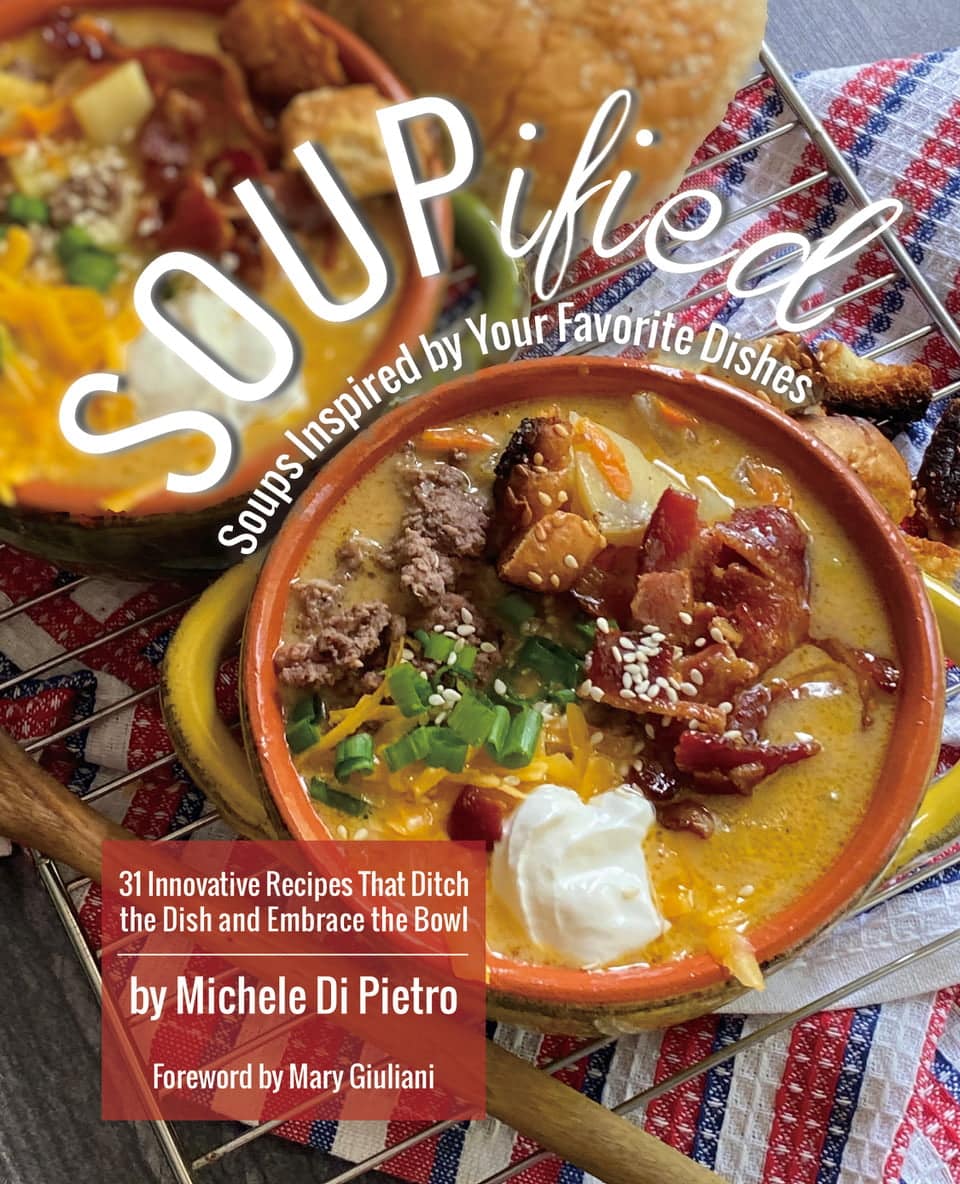
love soup?
Get My Cookbook!
Ditch the dish and embrace the bowl with Soupified: Soups Inspired by Your Favorite Dishes!
Available in ebook, paperback and hardcover.

I saw this recipe on Instagram and mailed it to my husband to see if it sounded good to him as well. He made it tonight for dinner and we really really enjoyed it. It’s a great combination of ingredients and really not difficult to prepare. Certainly will be on our rotation. My husband loves pasta and makes most of the pastas for the two of us.
I’m so happy that you and your husband enjoyed this pasta recipe, Judi! I love it too. Thanks for your comment! 🙂
Love this combination and plan on making it over and over!