This post may contain affiliate links or sponsored content. That means if you click on my link and buy something, I will earn a small commission from the advertiser at no additional cost to you. For more information, see our disclosure policy.
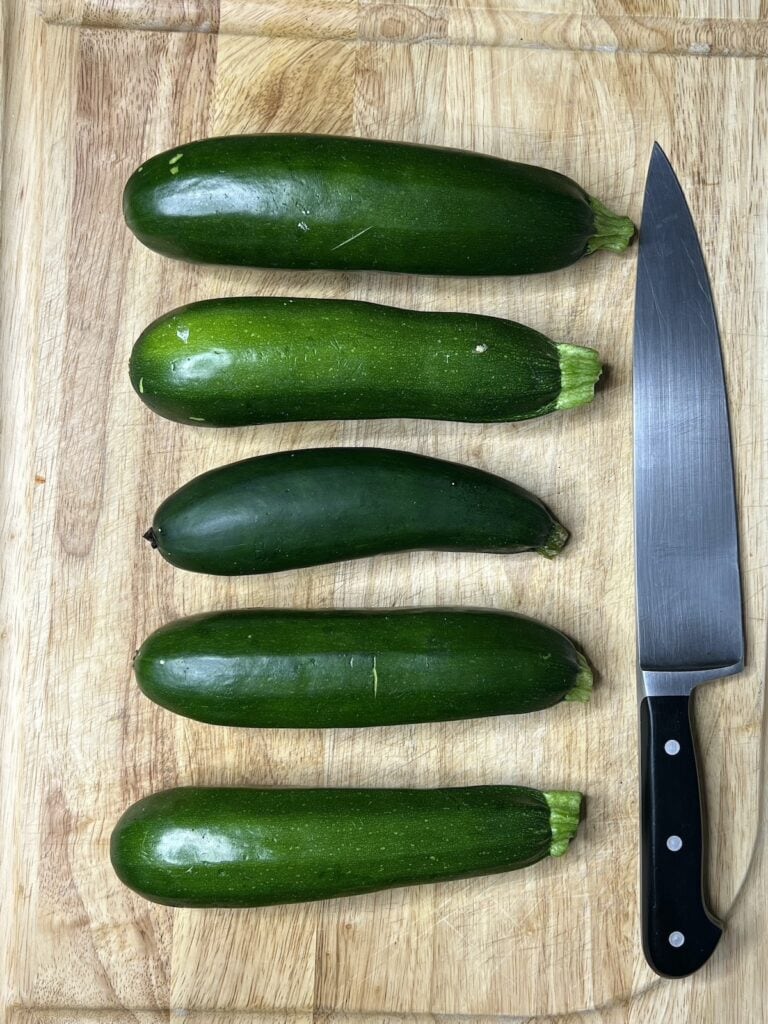
Zucchini is one of my favorite summer vegetables to cook with. It’s incredibly versatile, inexpensive and pairs beautifully with classic Italian flavors like basil, mint, lemon, garlic, great olive oil and cheese.
But because zucchini is made up of more than 90% water, it’s also one of the easiest vegetables to overcook. That’s why it can quickly become watery, mushy or soggy if it’s not cooked properly.
The good news? Cooking great zucchini isn’t difficult–you just need to understand how it behaves. Once you do, this humble summer squash becomes one of the easiest and most rewarding vegetables to master.
Whether you’re sautéing it, roasting it, grilling it or folding it into pasta or soup, the same basic principles apply.
Zucchini Cooking Highlights . . .
- Think about the final desired texture before you start cooking.
- Use high heat when you want zucchini to brown and caramelize.
- Salt zucchini only when the recipe benefits from removing moisture.
- Avoid overcrowding the pan so zucchini browns instead of steams.
- Choose smaller zucchini whenever possible for the best flavor and texture.
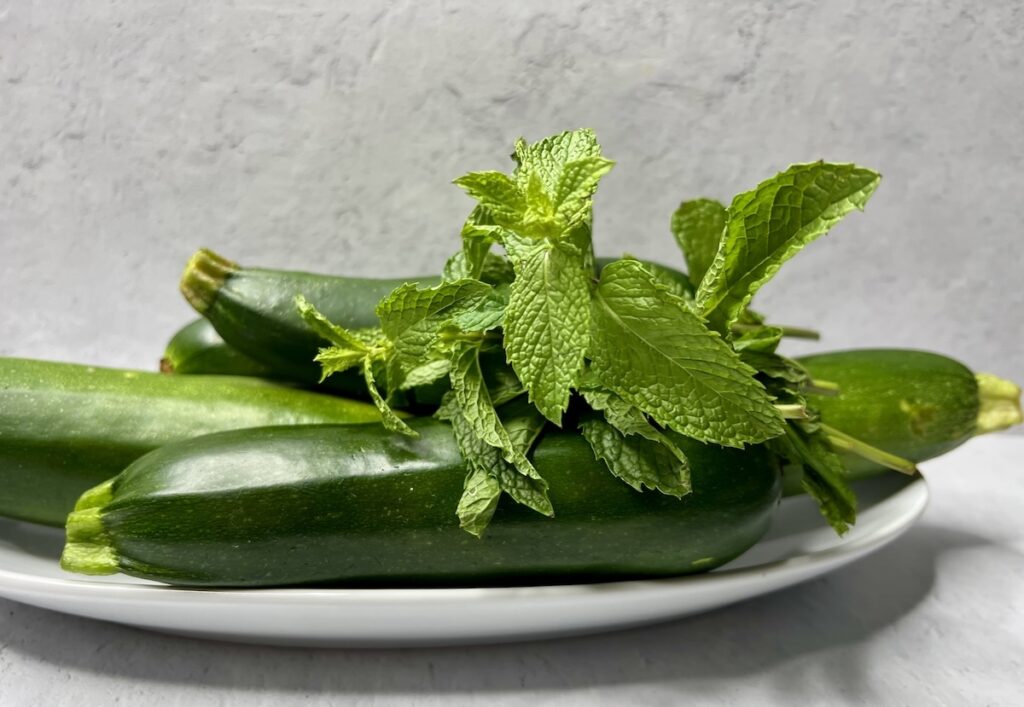
Fresh summer zucchini is one of the most versatile vegetables in the Italian kitchen.
Quick Answer
There isn’t one “correct” way to cook zucchini.
That’s probably the biggest misconception I see.
Different recipes call for different techniques. Sometimes I intentionally remove as much moisture as possible. Other times I want the zucchini to stay soft and silky. The key is understanding what you’re trying to accomplish before you start cooking.
One thing I often say is that it’s important to know the rule before deciding whether to break it. The same is true with zucchini. You’ll often hear that you should always salt it first–but that’s only part of the story. Whether you salt zucchini depends entirely on the recipe you’re making.
1. Don’t Treat Every Zucchini Recipe the Same
This is the biggest lesson I can share.
Zucchini isn’t naturally “good” or “bad” because it’s watery. Its high water content simply needs to be managed differently depending on the recipe.
For crispy zucchini fritters or pasta alla nerano, removing moisture helps create better texture and browning. For soups, stews and many pasta dishes, the same moisture becomes part of the finished dish.
Before you cook, ask yourself one simple question:
Do I want this zucchini to stay crisp, caramelize or melt into the dish?
The answer determines almost everything else.
2. Use High Heat Whenever You Want Browning
One of the easiest ways to end up with soggy zucchini is cooking it over heat that’s too low.
Because zucchini contains so much water, overcrowding the pan or cooking gently causes it to steam instead of brown.
Whenever I sauté zucchini as a side dish, I cook it over relatively high heat in batches with enough space between the pieces. This allows excess moisture to evaporate so the zucchini can caramelize rather than become soft and watery.
Golden brown zucchini develops much deeper flavor than steamed zucchini ever will.
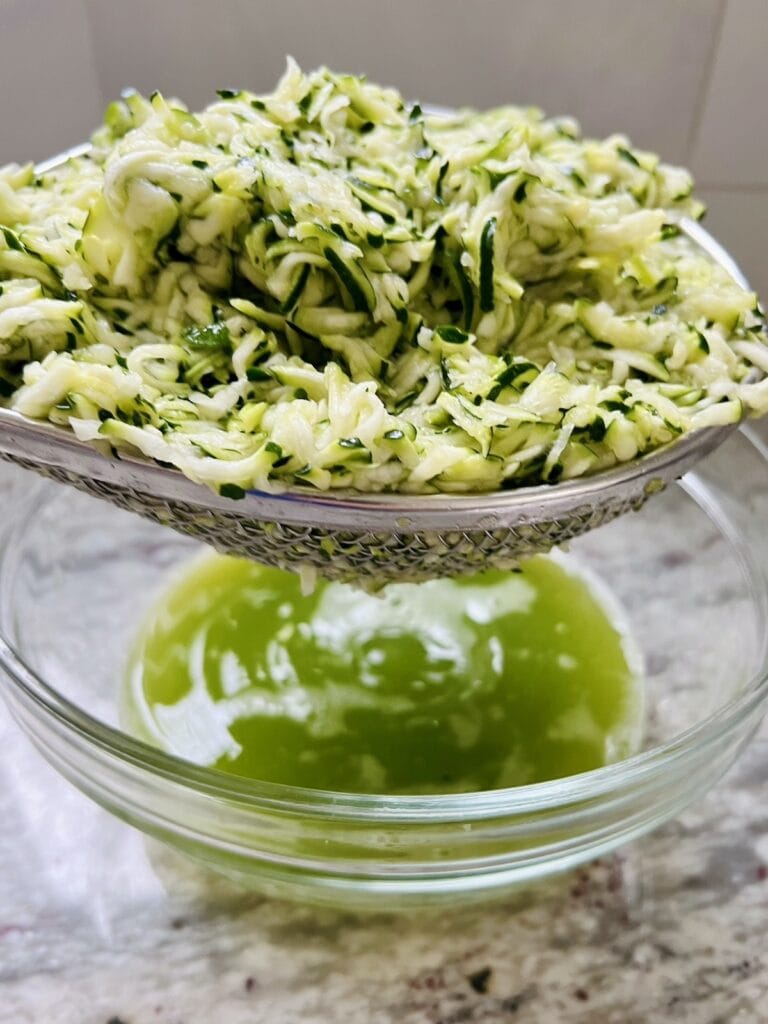
3. Salt Zucchini Only When the Recipe Calls for It
This may surprise you.
I don’t automatically salt zucchini before cooking.
I only remove moisture when the recipe benefits from it. For example:
In these recipes, removing water improves texture and helps the other flavors shine.
For soups, stuffed zucchini and many sauteéd dishes, however, I skip this step entirely.
Remember–know the rule before deciding whether or not to break it.
4. Give Zucchini Room to Brown
Crowding the pan traps steam.
Steam creates moisture.
Moisture prevents browning.
Whether you’re roasting zucchini in the oven or sautéing it on the stove, give the pieces enough space so excess water can evaporate.
It’s one of the simplest ways to improve both flavor and texture.
Michele’s Tip
One of the most overlooked parts of cooking is simply choosing the right-sized pan. I cringe when I see people trying to squeeze too much food into a pan that’s too small.
If you’re unsure, reach for the larger one–it gives ingredients (like zucchini!) to the space they need to brown instead of steam.
5. Don’t Overcook It
Zucchini cooks surprisingly quickly.
The longer it cooks, the more moisture it releases and the softer it becomes.
Unless I’m making soup or intentionally cooking it until silky, I usually prefer zucchini that still has a little texture/”bite” left to it.
6. Choose Smaller Zucchini Whenever Possible
Smaller zucchini are usually sweeter, firmer and contain fewer seeds.
Very large zucchini–especially those from late-summer garden harvests–often contain more water and larger seed cavities.
They’re still perfectly usable, but they’re often better suited for soups, stuffing or baking than quick sautés.
7. Don’t Forget the Flavor
Zucchini has a wonderfully mild flavor, which is exactly why it pairs so well with bold Italian ingredients.
Some of my favorite ingredient combos with zucchini include:
- Fresh basil, mint and dill
- Bright citrusy lemon
- Pungent garlic
- Sharp Pecorino Romano cheese
- Earthy Parmigiano-Reggiano cheese
- Fragrant extra-virgin olive oil
- Quality red and white wine vinegars
- Calabrian chile and spicy ’nduja
See These Tips in Action
If you’d like to put these techniques into practice, here are a few of my favorite zucchini recipes that demonstrate them:
- Removing Moisture: Italian Zucchini Fritters, Pasta alla Nerano and Zucchini Bruschetta
- High-Heat Browning: Crispy Baked Panko-Crusted Zucchini and Summer Squash and Roasted Zucchini alla Scapece
- Silky Zucchini: Creamy Zucchini Pasta
- Tender, comforting dishes: Italian Zucchini Soup with Chickpeas, Stuffed Zucchini and Ciambotta Veggie Stew
- Simple Sauté: Zucchini and Sausage Pasta
Frequently Asked Questions
Only when the recipe benefits from removing moisture. For zucchini fritters, pasta alla Nerano and raw zucchini preparations like zucchini bruschetta, salting improves texture. For many soups, stuffed zucchini and sautéed dishes, I skip it.
Zucchini naturally contains more than 90% water. As it cooks, that moisture is released. Managing that moisture–not eliminating it–is the key to great results.
The pan is usually overcrowded, the heat is too low, or both. Give zucchini enough space and cook over higher heat to encourage caramelization.
Usually not. The skin is tender, nutritious and adds both color and texture to most dishes.
If, however, you’re cooking with significantly larger Sicilian cucuzza squash, which I consider a cousin to zucchini, then you should definitely peel it. Because cucuzza is much larger and more fibrous than zucchini, peeling it before cooking will result in a much more pleasant texture.
Yes, although freezing changes its texture. Frozen zucchini works best in soups, sauces and baked dishes rather than recipes where a firm texture is important.
Ready to Start Cooking?
Whether you’re making crispy zucchini fritters, silky zucchini pasta, a simple sauté or a comforting zucchini soup, understanding how zucchini behaves is the first step to better results. Once you learn to work with its natural moisture instead of against it, you’ll find it’s one of the most rewarding vegetables to cook.
Looking for inspiration beyond cooking technique? Be sure to explore my Italian Zucchini Recipes collection, where you’ll find all of my favorite ways to enjoy this versatile summer vegetable.
Mangia bene!