
This post may contain affiliate links or sponsored content. That means if you click on my link and buy something, I will earn a small commission from the advertiser at no additional cost to you. For more information, see our disclosure policy.
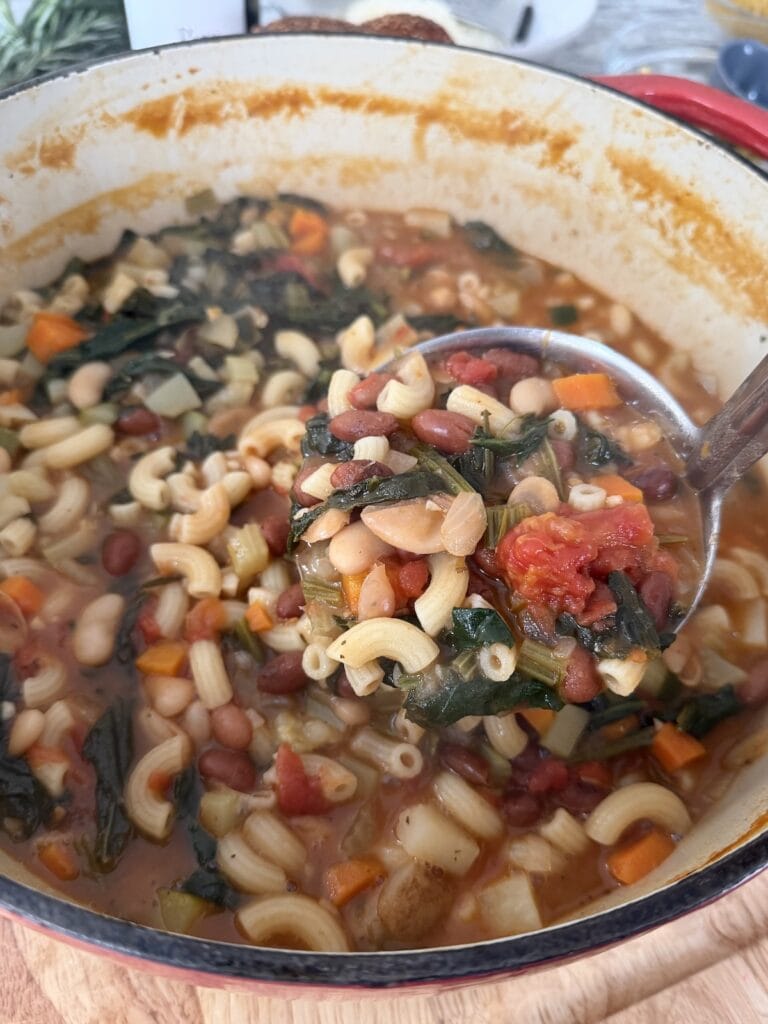
Italian Minestrone Soup is a classic for great reason! It’s hearty, flavorful and chock-full of vegetables, beans and pasta in a rich and savory, herb-infused, tomato broth. Cozy, comforting and a year-round favorite! Enjoy it with rustic bread for an easy vegetarian meal.

I love making this Italian Minestrone Soup year-round, but especially in the short, dark, frigid days of winter (like we’ve been experiencing a lot of here in New Jersey this season)! Its humble ingredients make a big impact.
Onions, carrots, celery (mirepoix) and garlic create an aromatic base for an herby, tomato broth filled with beans, potatoes, zucchini, spinach and pasta. A brothy soup that’s chunky with loads of texture!
I always include either a pecorino or parmesan cheese rind in the simmering broth for its flavor and richness, then top off my bowl with grated cheese, fragrant extra-virgin olive oil and some basil pesto and/or fresh basil if I have it on hand. And with some crusty bread on the side, suddenly all is right in the world…
Like in my pasta fazool, I used a combination of (canned) cannellini (a.k.a., white kidney) and borlotti (a.k.a., cranberry) beans in this version of the recipe. But you can really use any bean or combination thereof that you’d like.
In fact, this classic cucina povera soup should reflect the ingredients that are available to you. They can and should change with the seasons actually. Lots of different vegetables would work, any dark leafy green can be used, and the pasta can also be just odds-and-ends (pasta mista).
So, don’t get too caught up in the actual amounts of the different ingredients in the recipe below. They can be adjusted up and down to your preference. Want more beans or less spinach? Go for it!
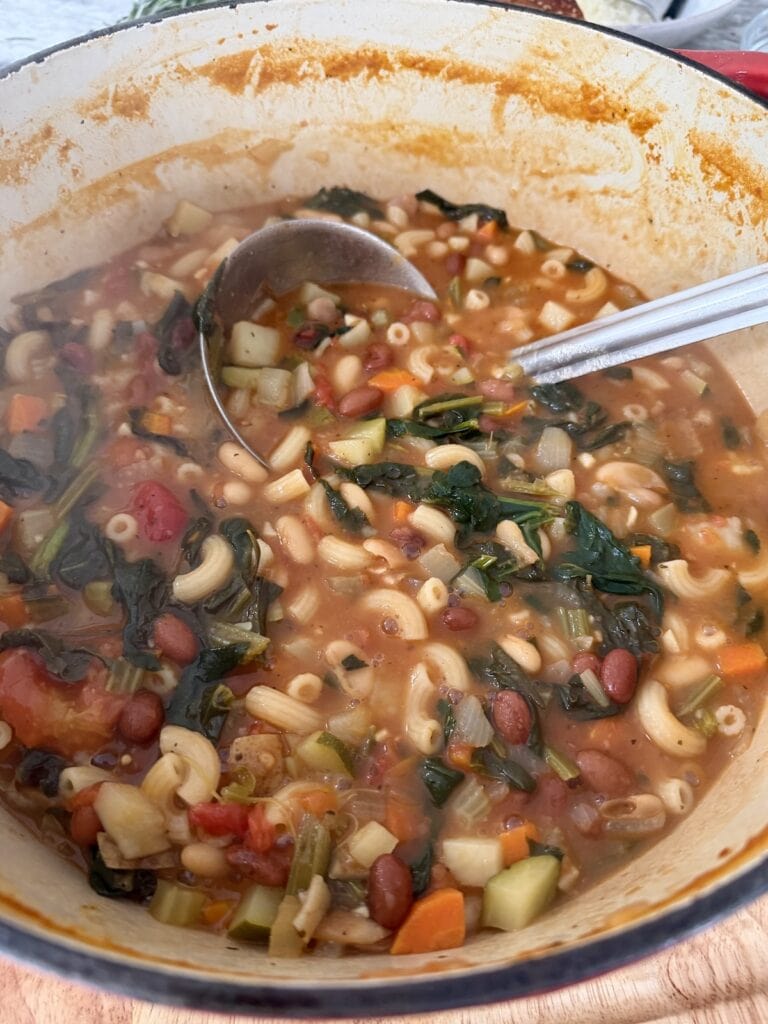
Table of Contents
Origin of Minestrone
Minestrone originated in Italy as a practical, economical dish designed to make use of leftovers, seasonal produce and basic pantry items, making sure that nothing went to waste. Like pasta with chickpeas, pasta with peas and pasta with potatoes, it perfectly embodies the essence of cucina povera (literally, “poor kitchen”, or peasant cooking).
Traditionally, it’s a hearty, satisfying meal made with whatever vegetables, beans, grains and/or pasta were on hand. So, minestrone’s ingredients varied with the seasons, relying on what was grown locally and in home gardens.
And, because it was meant to use up available scraps, the recipe was a little bit different every time it was made, an adaptable soup shaped by what was in the pantry and fridge with no “rules” other than the same general foundation–vegetables, beans, pasta and broth.
Some typical regional differences in this classic soup:
- Northern Italian minestrone is typically thick, hearty and butter-based and often made with root vegetables, cabbage, rice or corn.
- Ligurian versions contain pesto and Tuscan versions contain pork–both great examples of how regional and local ingredients drive differences in this recipe.
- Southern Italian minestrone, on the other hand, are generally lighter, brothier, tomato-based and made with olive oil, garlic, pasta and Mediterranean veggies like zucchini and green beans.
- Sicilian versions often contain eggplant-makes sense!
The word “minestrone” in Italian translates to “big brothy soup” in English, and that is just what this dish is. Cozy and nourishing. Hope you give this humble soup with full-bodied flavor a try. Mangia bene!
If you enjoy recipes with beans, also check out Greens and Beans, Tuna Pesto Pasta with Chickpeas and Escarole and Cannellini Bean Soup.
How to Make Italian Minestrone Soup
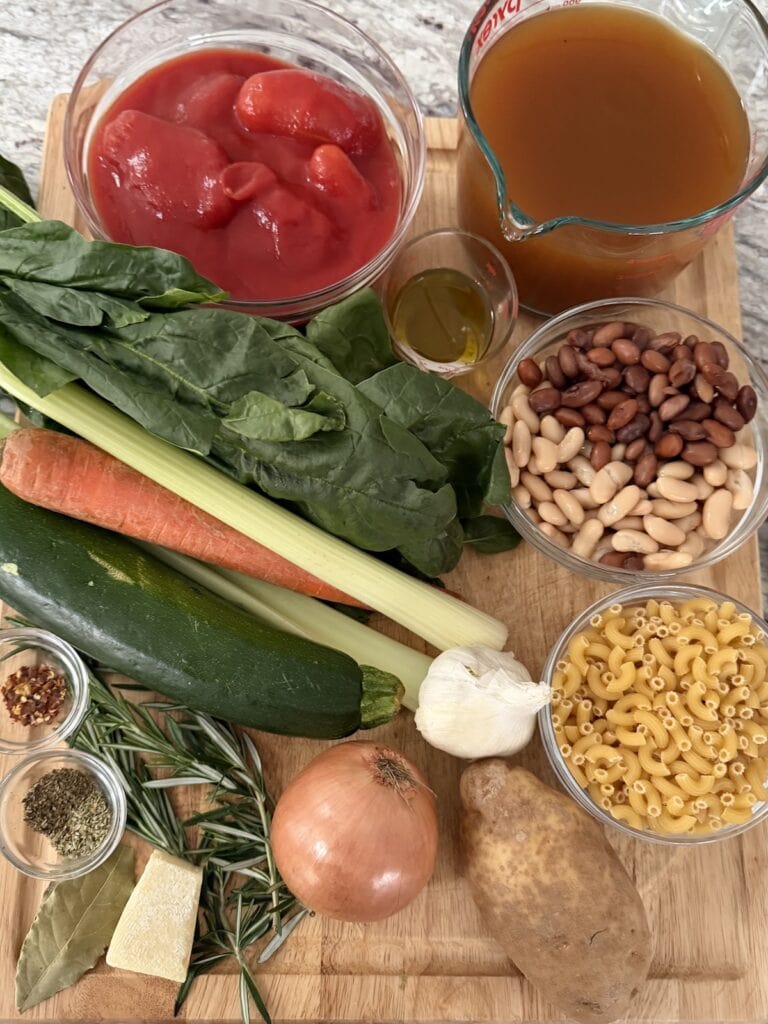
- Prep all ingredients: dice onions, celery, carrots, potatoes and zucchini. Chop garlic and spinach. Cook the beans if using dried.
- Heat olive oil over medium-low heat. Add onions, celery, carrots, garlic and red pepper flakes and cook until the vegetables start to soften.
- Add the potatoes to the pot and stir. Cook 1 to 2 more minutes.
- Then, add the tomatoes, water, broth, beans, cheese rind, fresh and dried herbs, black pepper and bay leaves and stir well.
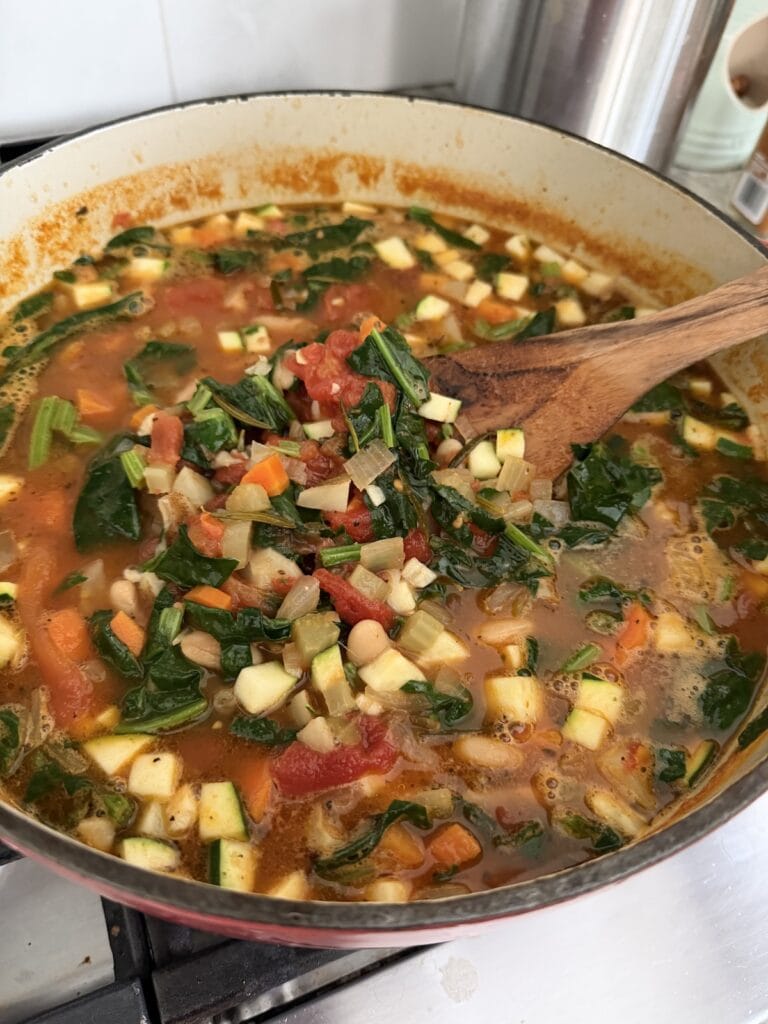
- Simmer, partially covered, about 20 minutes, stirring regularly.

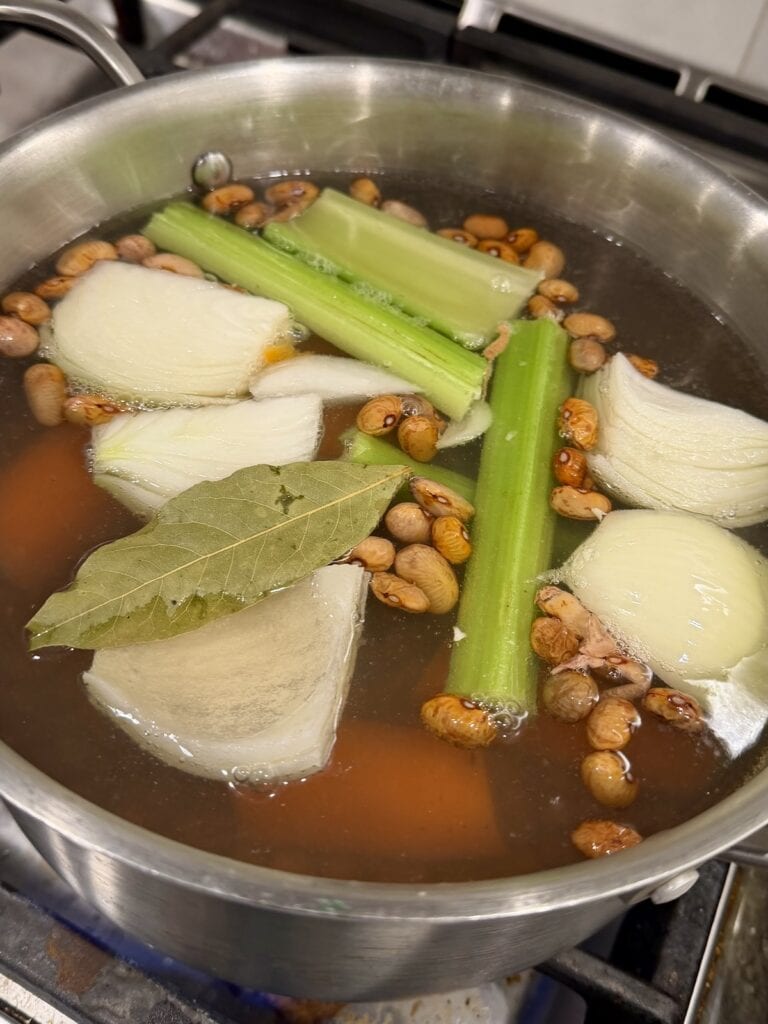


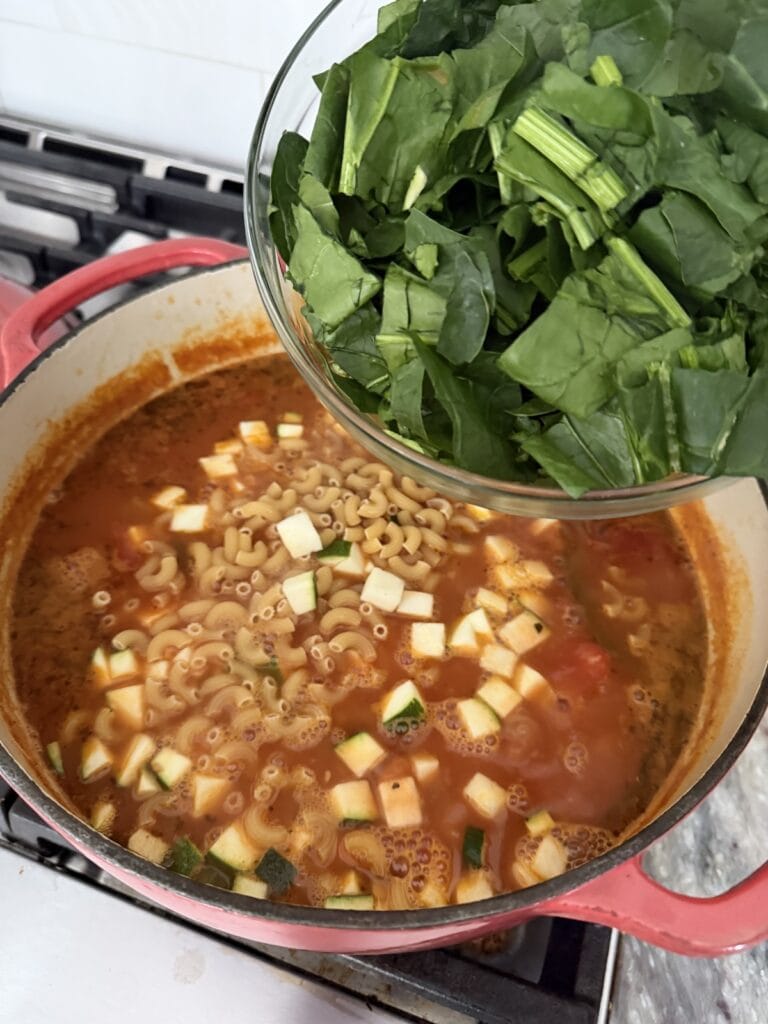
- Next, increase the heat to bring the mixture to a light boil, then stir in the zucchini, spinach, pasta and some olive oil.
- Simmer, uncovered, until pasta is about 1 to 2 minutes less than al dente, stirring so that pasta doesn’t stick or get clumpy.
- Add additional liquid if you want a brothier soup. Remove any remaining cheese rind. Add salt to taste, then turn off heat.
- Serve the soup piping hot with a generous sprinkle of grated pecorino or parmigiano cheese and a drizzle of extra virgin olive oil. Enjoy!
Pro-Tip
The pasta will continue to cook and soften once the heat is turned off.


More Italian Soups
If you love soup as much as I do, check out these other recipes:
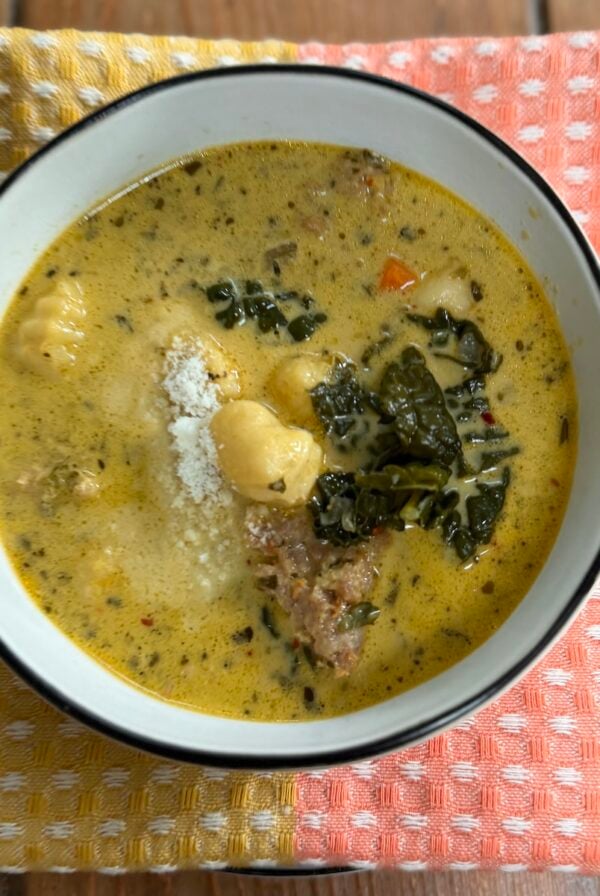
- Italian Sausage Gnocchi Soup with Kale-hearty comfort food!
- Wedding Soup–a hearty meatball and escarole soup in meat broth
- Ribollita–a classic Tuscan vegetable and bean soup thickened with bread and served on day 2
- Lentil Soup with Sausage–a delicious pairing of lentils with Italian sausage and lots of veggies
- Tortellini Soup with Chicken or Turkey–brothy and soul-satisfying
- Zucchini Soup with Chickpeas–a year-round favorite
- Split Pea Soup with Ham and Potatoes and Smoky Lentil and Ham Soup–got ham leftovers???
- Easy Sweet Potato, Kale and Red Lentil Soup–the first soup I make every fall!
For even more soup recipes, check out my cookbook, SOUPified, Soups Inspired by Your Favorite Dishes, which is filled with hearty soup versions of classic, comfort food recipes like Cavatelli with Broccoli Soup, Eggplant Parm Soup, Baba Ghanoush Soup, Spinach Quiche Soup, Garlic Bread Soup and Mexican Street Corn Soup.

Frequently Asked Questions
Minestrone is a vegetable-forward soup with beans, pasta or grains, but its defining characteristic is a variety of seasonal vegetables. Recipes usually differ in each season and area based on what’s available at that time.
Pasta e fagioli, or pasta fazool, on the other hand, is almost entirely centered on beans and pasta, with vegetables (mostly aromatics like onions and garlic) playing a supporting role. Often, a portion of the beans is pureed creating a very thick and hearty texture. And, there is generally less variance from recipe to recipe
– Add pasta to the pot at the very end and pull the soup off the heat when the pasta is about 2 minutes less than al dente, accounting for the carryover cooking. (This is the technique used in the recipe below.)
– Use small, sturdy pasta shapes that hold up well, such as elbows, small shells, tubetti or ditalini).
– You can also cook the pasta separately and keep it separate from the pot of soup, only combining the two in the serving bowl or just before serving. This would be the best technique if you plan on freezing the soup. Keep the pasta out of the soup entirely and just add it when reheating.

Recipe Substitutions and Variations
This minestrone soup recipe is probably the most customizable soup out there, which is part of its charm IMHO! In fact, every region in Italy (and probably every Italian and Italian-American household) has its own recipe. But they all generally have the same foundation–vegetables, beans, pasta and broth.
There really aren’t any “rules”, so feel free to change it up based on what’s in season or what you have on hand.
- Use a Different Bean: Chickpeas, navy and red kidney beans are all great alternatives. Almost any cooked bean can be used here.
- Use a Different Green: Escarole, cabbage, broccoli rabe, swiss chard and kale (or a mixture of these) are all great green alternatives for the spinach. On the more mild side, baby spinach works really well.
- Change or Add More Vegetables: As mentioned earlier, there is no one-size-fits-all when it comes to Italian minestrone soup. So many different types of veggies can be included, such as green beans, peas, corn, yellow squash, mushrooms, etc.
- Pork it up! Brown one pound of Italian sausage (out of its casings) as the first step, then proceed with the recipe, for lots of additional flavor and richness. Similarly, you can add pancetta, as in this pasta with peas recipe. Leftover diced ham can also be added to this homemade soup like this smoky lentil soup with ham.
- Add Chicken or Turkey: Add some pulled roasted chicken or turkey meat towards the end, along with the pasta, for increased protein.
- Make it Vegan: Just be sure to use vegetable broth and leave out the cheese rind.
- Make it Gluten-Free: Just be sure to use gluten-free pasta. Alternatively, you can just eliminate the pasta. If you decide to do this, just reduce the amount of broth by a couple cups.
- Grains: Use your favorite cooked whole grains in place of the pasta. Farro, wheatberries, kamut and quinoa are all great options.
Best Beans for Minestrone
Lots of different types of beans work well in Italian minestrone soup. It really depends on your preference for texture and taste:
- Cannellini (white kidney beans): creamy classic and most common
- Borlotti (cranberry beans): earthy and very traditional in northern Italy
- Chickpeas: firm texture, very common in southern Italian versions
- Lentils: lighter and cook quickly
TIP: As in sausage and cannellini bean soup, you can slightly mash a portion of the beans before adding them to the broth to naturally thicken the broth.

TOP TIPS for Italian Minestrone Soup
- Beans: Either canned cooked beans (or jarred) or dried beans that have been cooked at home can be used in this recipe. (See more about beans in the recipe notes below.)
- Prep in Advance: To save time when cooking, prep the vegetables and cook the beans in advance and store them in the refrigerator for up to one day.
- Broth, Beans and Salt: The amount of salt in this recipe is “to taste” as it really depends on the sodium- level in both the broth and (canned) beans. The cheese rinds also contribute salt. Use your judgment and adjust seasonings at the very end, if necessary. Also, it’s always best to use no- or low-sodium broths and stocks if possible so you have more control over the dish’s saltiness.
- Soup Thickness: Like other soups with pasta, minestrone becomes thicker (and very stew-like) as it sits. If you prefer a thinner soup, increase the broth.
- Storage: Store leftovers in an air-tight container in the refrigerator for up to 3 days or in the freezer for up to 3 months. Reheat it slowly over medium low heat while stirring, adding additional broth or water if needed.
- NOTE: It’s best to freeze minestrone without the pasta as it will likely turn. mushy after thawing. Add freshly cooked pasta when reheating for best texture.
Serving Suggestions
This is a hearty, entree soup that could easily be a meal in and of itself in a larger portion. A light green salad and some crusty bread are classic accompaniments.
Alternatively, this soup could be served as a first course in a smaller portion and be followed by chicken cutlets, a simple Roast Chicken or plate of roasted vegetables. And, don’t forget to serve it with a little homemade Italian chili oil for a final kick of heat!
Italian Minestrone Soup

Video
Equipment
- Large pot OR
Ingredients
- 4 Tbsp olive oil, divided
- 1½ cups small diced yellow onions
- 1 cup small-diced celery
- 1 cup small-diced carrots
- 2 Tbsp chopped or thinly-sliced garlic
- ¼ tsp crushed red pepper, (use more if you’d like)
- 1 all-purpose, Russet or Yukon Gold potato, small diced, held in water to prevent browning (about 2 cups diced, peeling is optional)
- 1 (28-ounces) can whole tomatoes, crushed by hand (crushed or diced tomatoes can be used)
- 1½ (tomato) cans water
- 4 cups low- or no-sodium vegetable or chicken broth
- 2 (15-ounces) cans cooked beans, strained and rinsed (about 3 cups beans; dried beans can be used-see Notes.)
- 1-2 pieces parmigiano or pecorino cheese rind
- 1-2 sprigs fresh rosemary
- ½ tsp dried oregano
- ½ tsp dried basil
- ½ tsp ground black pepper
- 2-3 bay leaves
- 2 cups diced zucchini
- 12-16 ounces spinach, chopped into bite-sized pieces
- About 1 cup small pasta, (5-6 ounces pasta)
- To taste salt, (See Notes.)
- Grated pecorino or parmigiano cheese, for serving
- High quality extra-virgin olive oil, for serving
- (Optional) Basil pesto, for serving
Instructions
- Prep all ingredients according to specifications above. Cook the beans if using dried. (See NOTES about beans below.)(Please see the section above in the blog post for Step-By-Step instructions with photos.)
- Heat 3 Tbsp olive oil in large pot or Dutch oven over medium-low heat. Add onions, celery, carrots, garlic and crushed red pepper and cook for about 5minutes, or until the vegetables start to soften. Cover the pot to speed up this process.1½ cups small diced yellow onions, 1 cup small-diced celery, 1 cup small-diced carrots, 2 Tbsp chopped or thinly-sliced garlic, ¼ tsp crushed red pepper
- Drain the potatoes if they’re being held in water, then add them to the pot and stir. Cook 1 to 2 more minutes.1 all-purpose, Russet or Yukon Gold potato
- Then, add the tomatoes, water, broth, beans, cheese rind, fresh and dried herbs, black pepper and bay leaves and stir well.1 (28-ounces) can whole tomatoes, 1½ (tomato) cans water, 4 cups low- or no-sodium vegetable or chicken broth, 2 (15-ounces) cans cooked beans, 1-2 pieces parmigiano or pecorino cheese rind , 1-2 sprigs fresh rosemary , ½ tsp dried oregano, ½ tsp dried basil, ½ tsp ground black pepper, 2-3 bay leaves
- Cover and bring mixture up to a boil, then immediately reduce heat to a simmer and simmer, partially covered, about 20 minutes or until beans, potatoes and carrots are tender. Stir the soup regularly, ensuring that the cheese rind does not stick to the bottom of the pot.
- Remove and discard the bay leaves and rosemary stem(s).
- Next, increase the heat to bring the mixture to a light boil, then stir in the zucchini, spinach, pasta and remaining 1 Tbsp olive oil.2 cups diced zucchini, 12-16 ounces spinach, About 1 cup small pasta
- Simmer, uncovered, until pasta is about 1 to 2 minutes less than al dente, using instructions on pasta package as a guideline, stirring continuously so that pasta doesn’t stick or get clumpy. Check pasta along the way to monitor its doneness.(NOTE: The pasta will continue to cook and soften once the heat is turned off.)
- Add additional liquid if you want a brothier soup. Remove any remaining cheese rind. Add salt to taste, then turn off heat.
- Serve the soup piping hot with a generous sprinkle of grated pecorino or parmigiano cheese and a drizzle of extra virgin olive oil. If you happen to have some pesto on hand, include a small spoonful of that as well. Buon Appetito!
Notes
- I used half (canned) cannellini beans and half (cooked from dried) borlotti beans here, but almost any bean can be used in this recipe. Chickpeas, red kidney, navy and black beans are all great alternatives.
- Either canned/jarred cooked beans or dried beans that have been cooked at home can be used in this recipe.
- Be sure to strain and rinse pre-cooked beans well before adding them to the soup.
- If you’re starting with dried beans, pick through them for stones and rinse them. Then you can either:
- Soak them overnight: Place beans in a large bowl covered with four times the amount of water and let them soak for several hours or overnight. After soaking, drain the beans.
- OR,
- Alternatively, bring the dried beans to a boil in a large pot of unsalted water, then turn off the heat and let them sit, covered, for one hour. At this point, it will be as if they were soaked for several hours. Discard this soaking water, then proceed as if they had been soaked overnight.
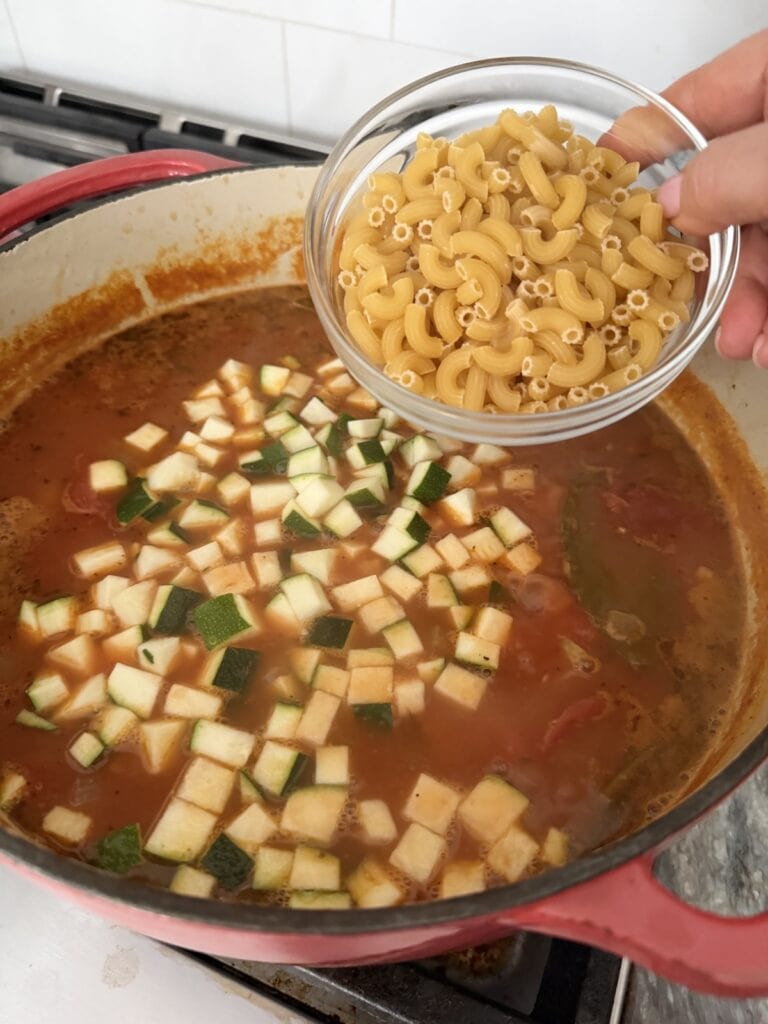
- Then, cooked the soaked beans in a new pot of unsalted water until tender. Ideally, add aromatics like bay leaves, carrots, onions, celery and garlic to the bean boiling liquid for increased flavor.
- The beans can be cooked in advance and held, covered, in the refrigerator for two to three days until you are ready to use them.
- Prep In Advance: To save time when cooking, prep the vegetables and cook the beans in advance and store them in a zip-lock bag in the refrigerator for up to one day.
- Regular, baby or frozen spinach can be used here. If using frozen, thaw it first and squeeze out excess liquid.
- Your favorite small pasta can be used here. I used small elbow macaroni as it’s a classic choice.
- Like other soups with pasta, minestrone becomes thicker (and very stew-like) as it sits. If you prefer a thinner soup, increase the broth.
- Don’t forget to drizzle the finished dish with some high quality extra-virgin olive oil and grated cheese (Pecorino-Romano or parmigiano) for an additional hit of flavor and richness.
- The soup gets better as it sits, so it is a great option to make ahead of time. It does, however, tend to get thicker as it sits, so, you may want to add some water when reheating.
- Storage: Store leftovers in an air-tight container in the refrigerator for up to 3 days or in the freezer for up to 3 months. Reheat it slowly over medium low heat while stirring, adding additional broth or water if needed.
-
- NOTE: It’s best to freeze minestrone without the pasta as it will likely turn. mushy after thawing. Add freshly cooked pasta when reheating for best texture.
- Consider making a large batch and portioning it into containers to enjoy down the road!

love soup?
Get My Cookbook!
Ditch the dish and embrace the bowl with Soupified: Soups Inspired by Your Favorite Dishes!
Available in ebook, paperback and hardcover.


Do you actually mean up to a pound of spinach?
That’s on the order of 16 cups of spinach.
Other recipes seem to call for 1-4 cups of spinach.
Hi Benji, Yes – the amount of spinach in the recipe is correct. This recipe yields a large batch (12-13 cups) minestrone soup. Raw spinach (especially baby spinach) will have a large volume, but, once cooked, it shrinks significantly. Also, 1 pound of spinach is not 16 cups spinach. Having said this, you can certainly use as much or as little spinach as you like in the soup. You can even use frozen chopped spinach and I have done so many, many times. Hope you enjoy it!
I made it!! So delicious but it does make a lot so I froze some will make again my only regret is I put the pasta in so it will get soft still tasty
Just like my mom’s I tweak it a little bit, but I have to say I do love your recipes! But I tweak all recipes to my liking Ty thank you stay safe
I’m so happy that you enjoy this and my other recipes, Paula, and that you make them your own with some adjustments! Thanks so much for your comment. 🙂
It’s always a great day when I make this nutritious soup!