
This post may contain affiliate links or sponsored content. That means if you click on my link and buy something, I will earn a small commission from the advertiser at no additional cost to you. For more information, see our disclosure policy.
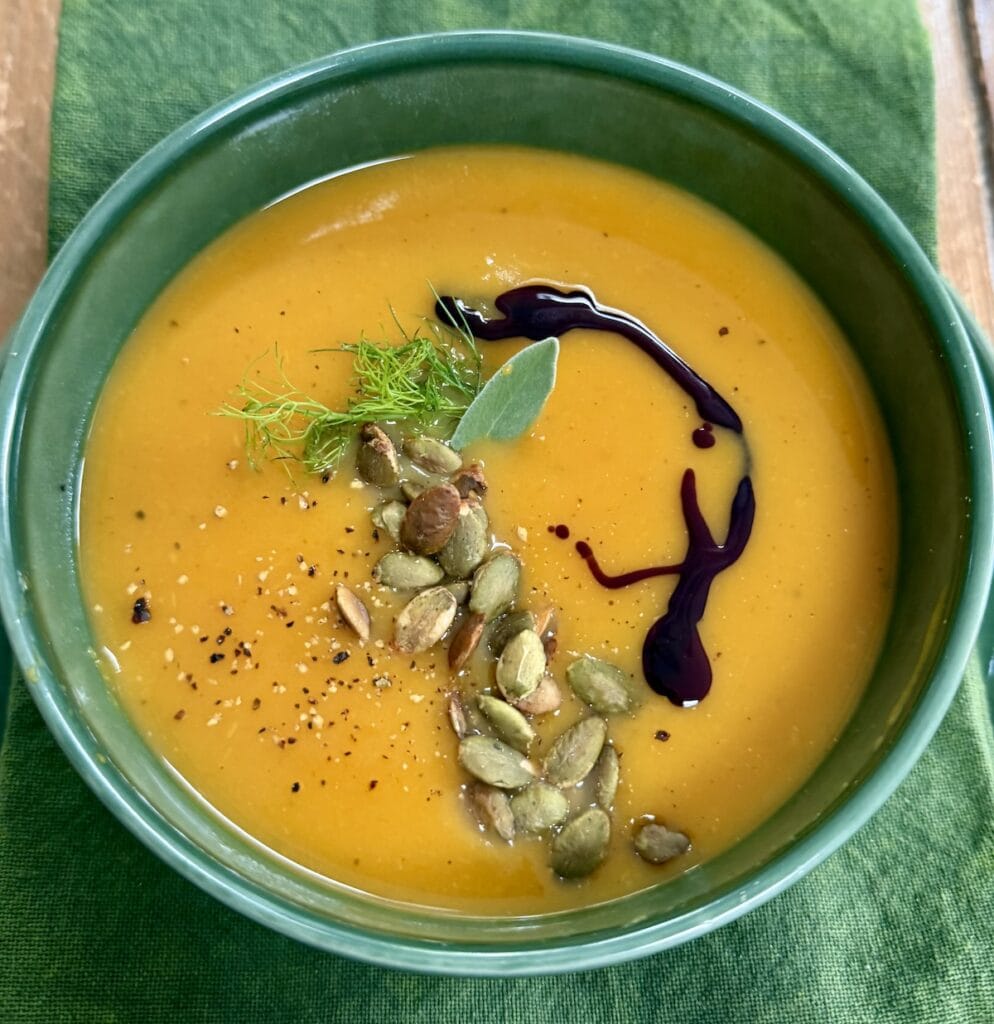
This Roasted Butternut Squash Soup with fennel and apple is smooth, cozy and full of fall flavor! Butternut squash, apples, fennel, onion and garlic are roasted until tender and caramelized, then briefly simmered with sage and warming spices and puréed until silky smooth.
It’s naturally vegan and wonderfully creamy without a drop of cream!
Keep In Mind Before You Start . . .
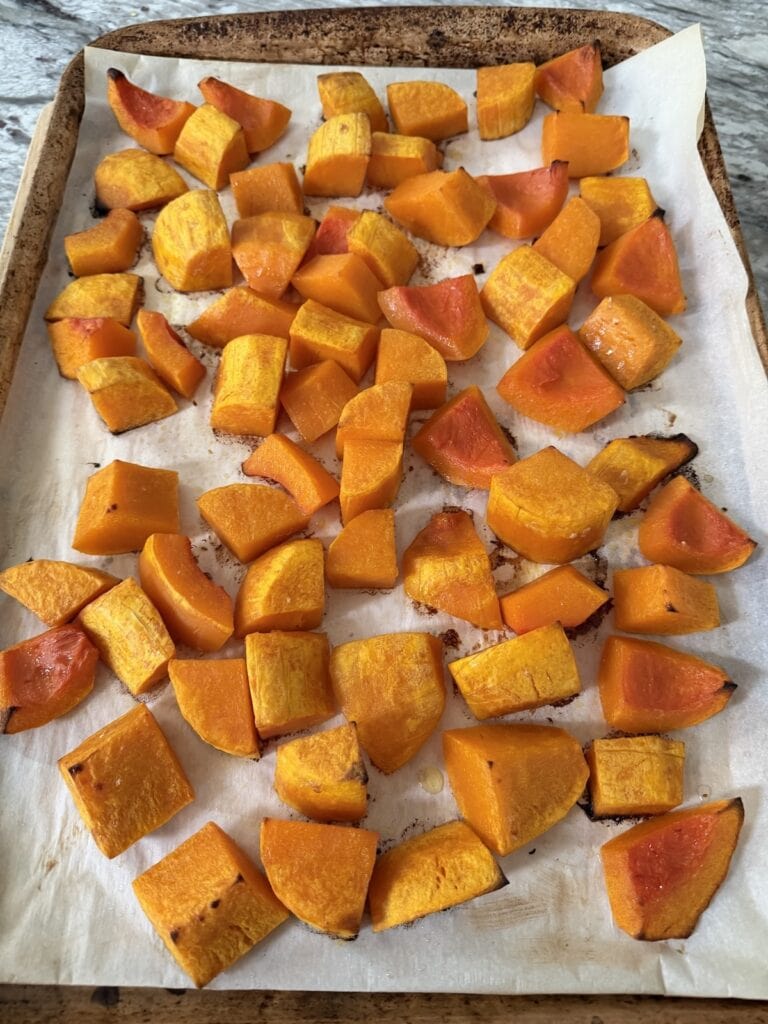
- Roasting makes a difference. It caramelizes the squash, fennel, apples, onion and garlic, concentrating their natural sweetness and giving this simple soup much more depth of flavor.
- Use a low- or no-sodium vegetable broth if possible. You’ll have much more control over the final seasoning of the soup.
- An immersion blender makes this SO easy. You can purée the soup right in the pot without transferring hot soup back and forth to a countertop blender.
A Cozy Autumn Sheet Pan Soup
If you know me, you know I love making soup. I even wrote a whole cookbook about it!
And since I also love cooking seasonally, a pot of roasted butternut squash soup just makes sense once fall rolls around.
Of course, I had to give mine a little la cucina italiana spin with fennel, garlic and fresh sage. Apples add a subtle sweetness, nutmeg brings warmth and a little lemon juice at the end balances everything out.
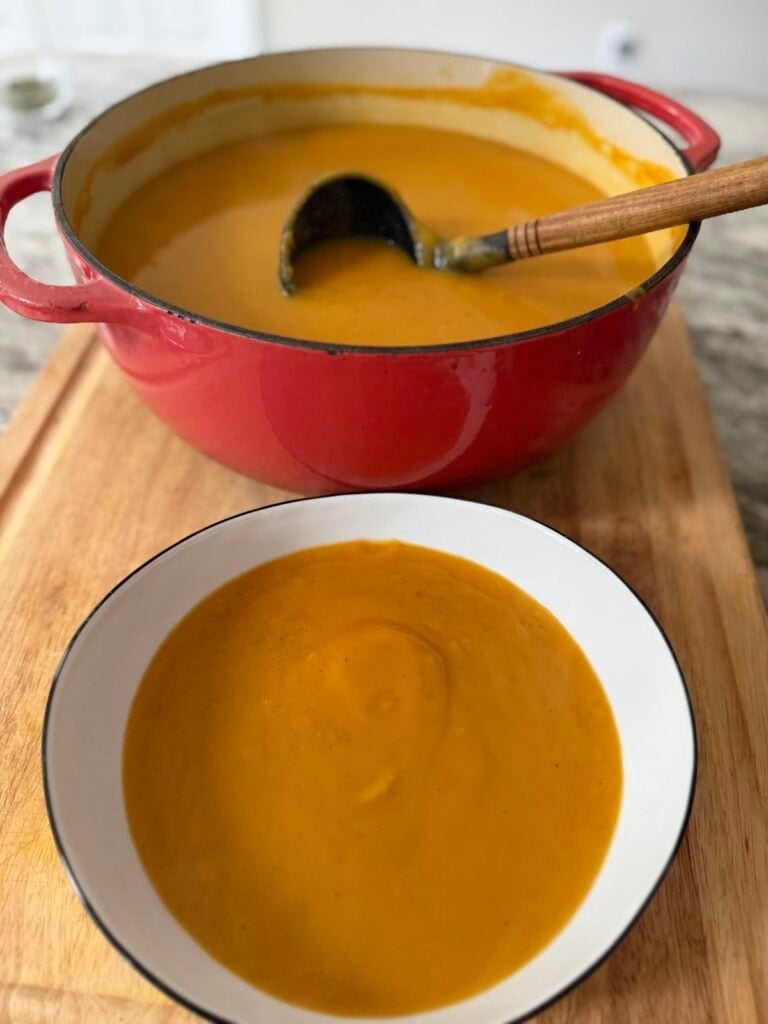
And while I originally planned to finish this soup with cream, once I tasted it, I realized it simply didn’t need it. Puréeing all those tender roasted vegetables and apples creates a beautifully smooth, creamy soup all on its own.
(Check out my Butternut Squash and Sausage Pasta for another seasonally-inspired recipe!)
Soup Lovers!
For more soup recipes, check out my cookbook, SOUPified, Soups Inspired by Your Favorite Dishes, which is filled with hearty soup versions of classic comfort-food recipes, such as Eggplant Parm Soup, Chicken Marsala Soup, Shrimp Scampi Soup and Garlic Bread Soup.
Ingredient Notes
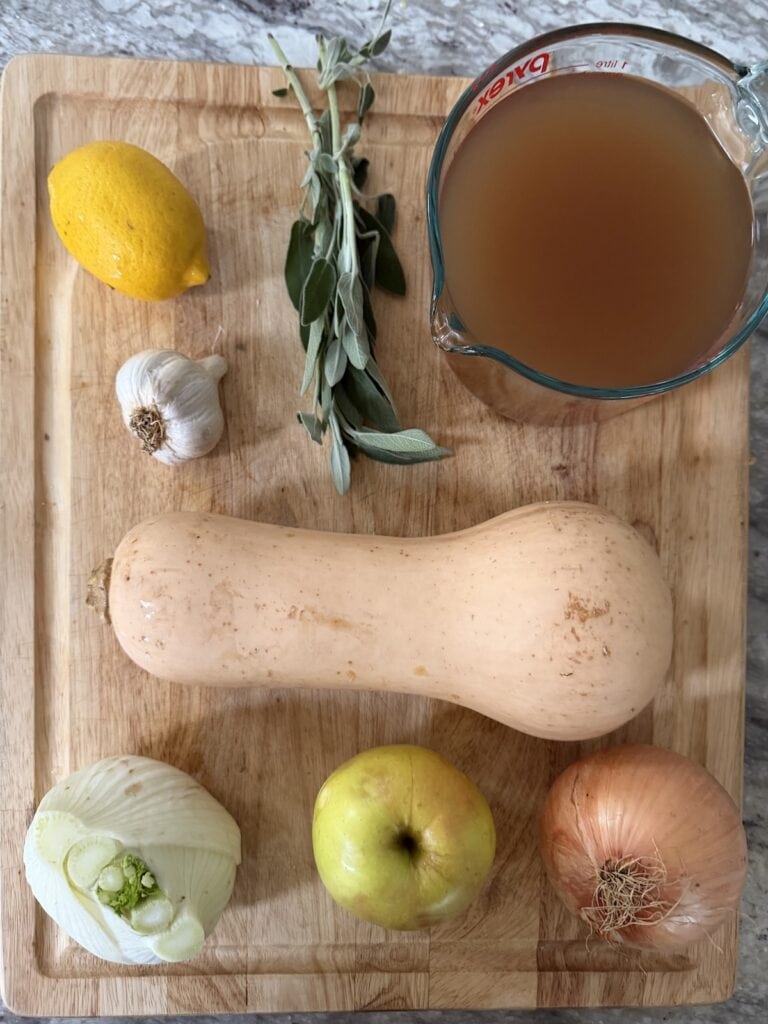
Here’s what you’ll need:
- Butternut Squash: Roasting brings out its natural sweetness and gives the soup a deeper, caramelized flavor. Choose a squash that feels heavy for its size with firm, tan skin and no soft spots.
- Fennel: Adds a subtle anise flavor and gives this soup its Italian personality. Save some of the fronds for garnish if you can.
- Apples: I used Golden Delicious for their mellow, honey-like sweetness. Honeycrisp, Pink Lady, Gala, Braeburn and several other eating apples work well, too.
- Vegetable Broth: Use no- or low-sodium broth whenever possible so you can control the final salt level.
- Sage: One of my favorite herbs with butternut squash. Thyme can be substituted for some or all of it.
- Nutmeg: A warming spice that complements and accentuates the flavors of both the squash and apples. Add a small pinch of cinnamon as well if you’re so inclined.
- Cayenne: Completely optional, but I love the subtle bit of heat it adds against the naturally sweet squash and apples.
- Lemon Juice: A little acidity at the end rounds out and balances all those sweet, earthy flavors.
Why Roast the Apples?
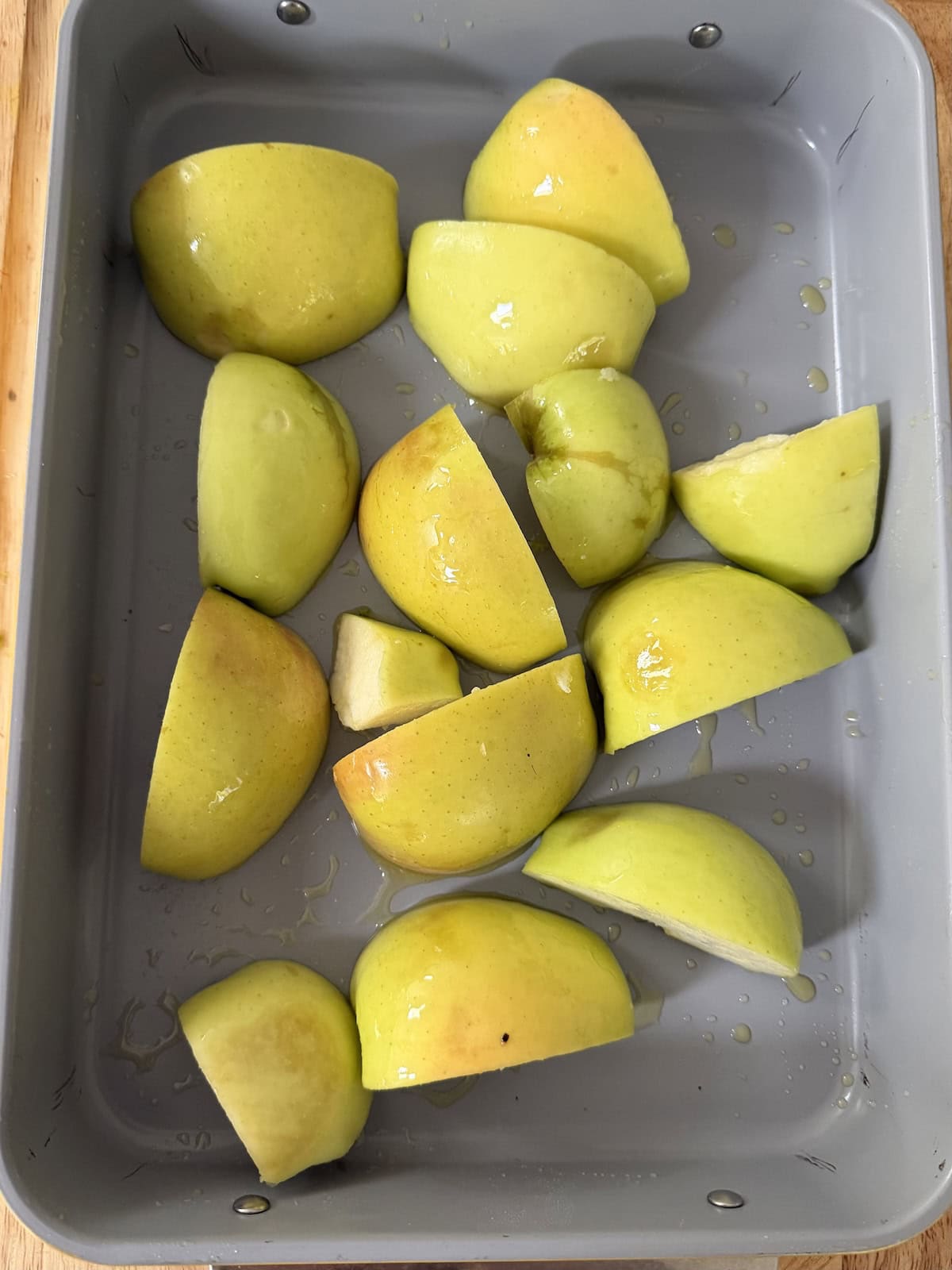
Roasting concentrates the apples’ flavor and natural sweetness while caramelizing their edges, giving the soup more depth than simply simmering raw apples in broth.
It also makes them completely tender so they blend seamlessly with the roasted squash and vegetables into a silky-smooth soup.
How to Make Roasted Butternut Squash Soup
This is essentially a sheet pan soup finished on the stovetop.
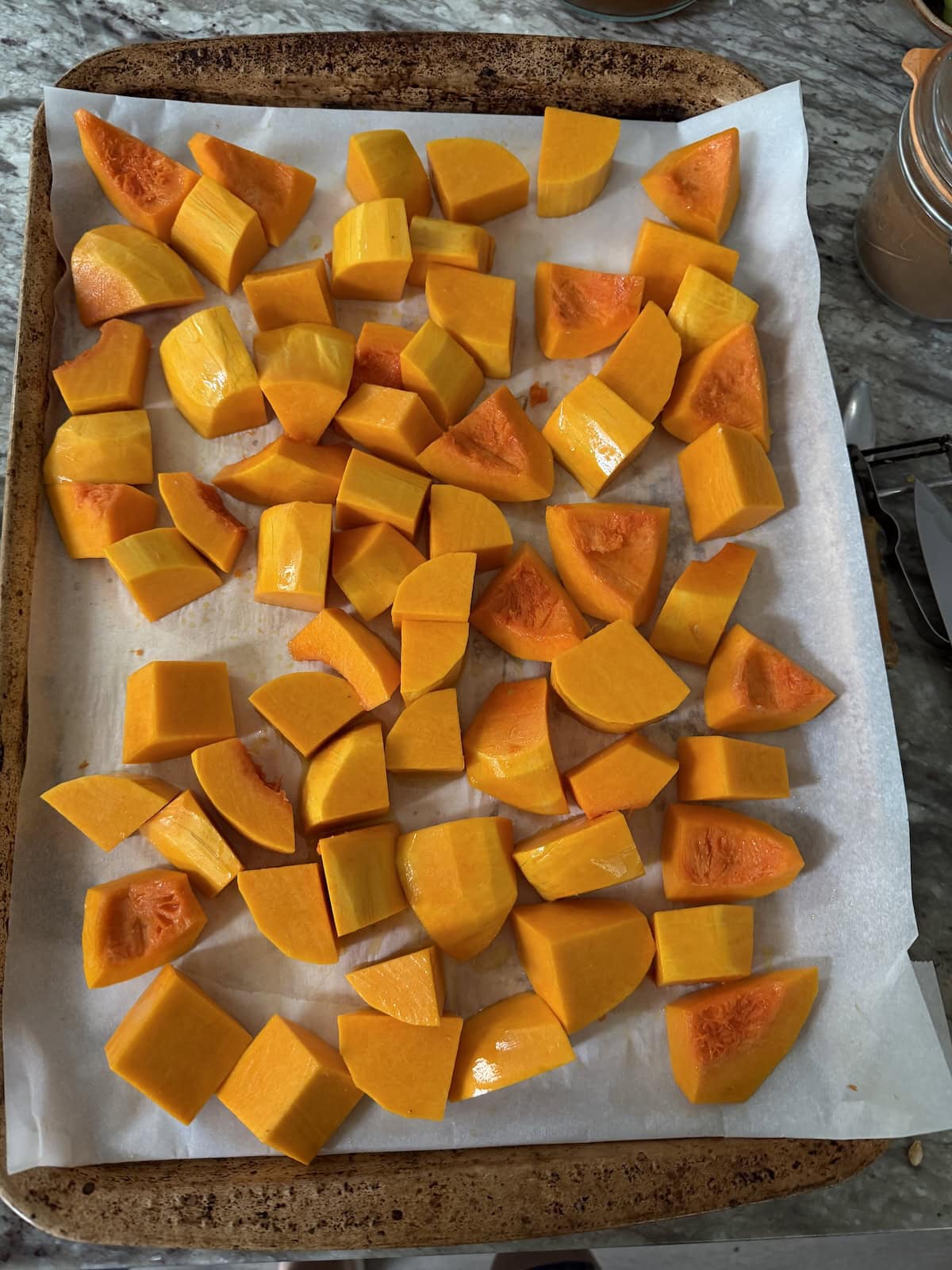
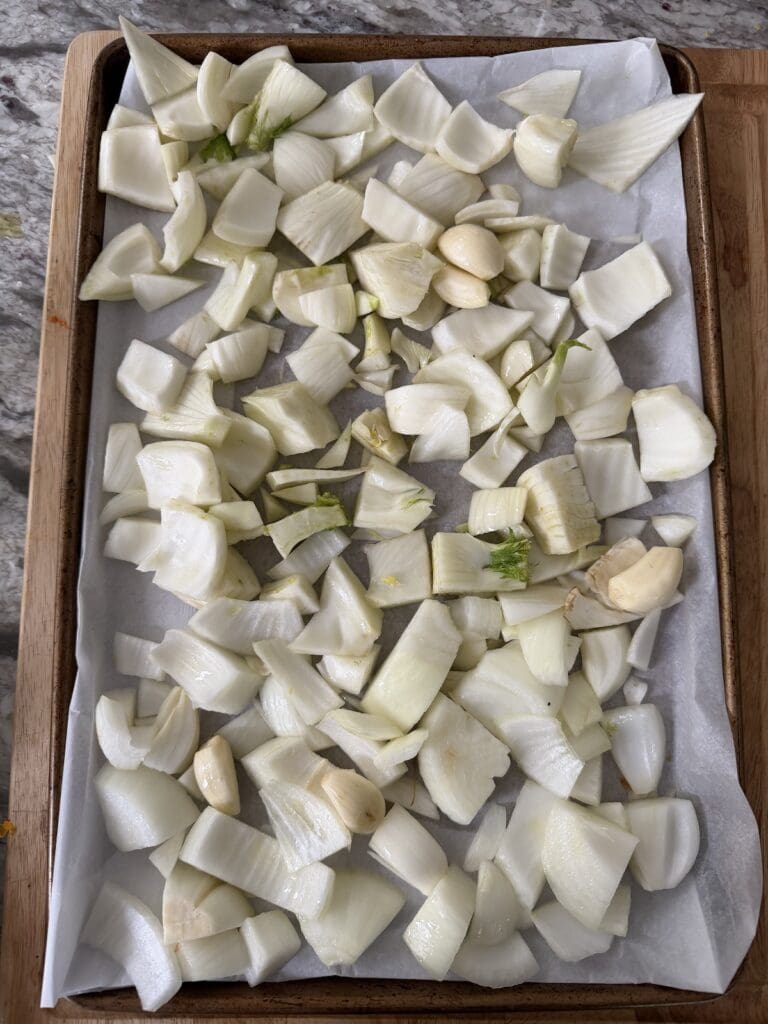
- Prep the squash, fennel, onion, garlic and apples, lightly coat them with oil and spread them out on sheet pans. Roast at 425°F until tender and caramelized, removing the apples earlier since they cook more quickly.
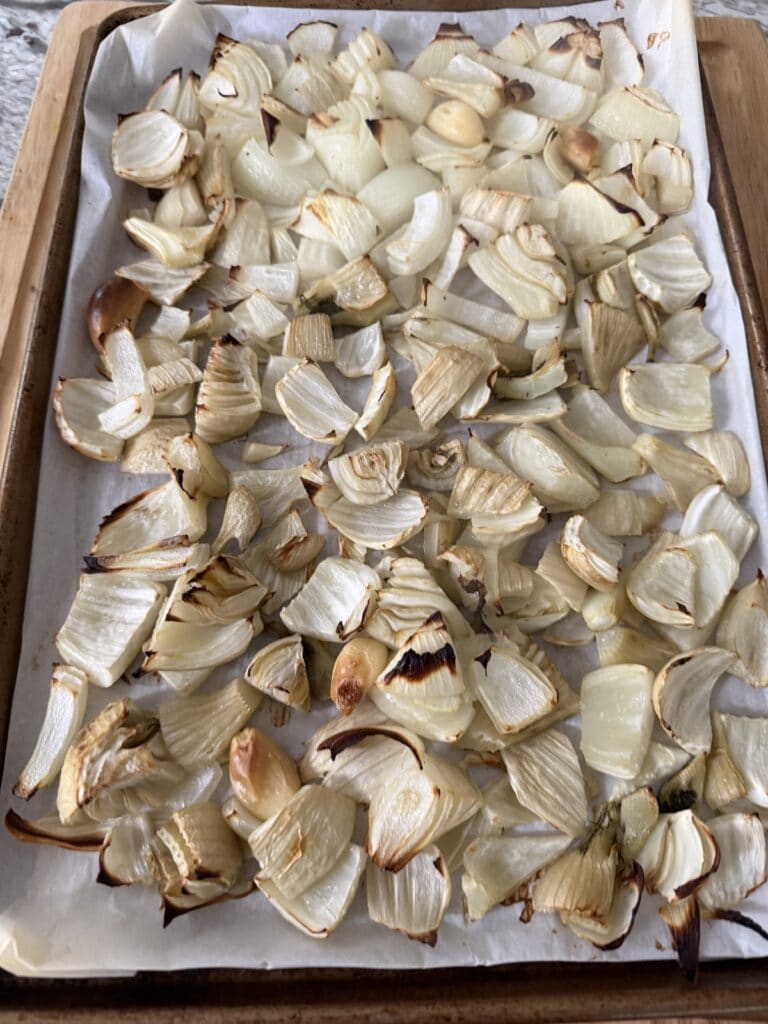
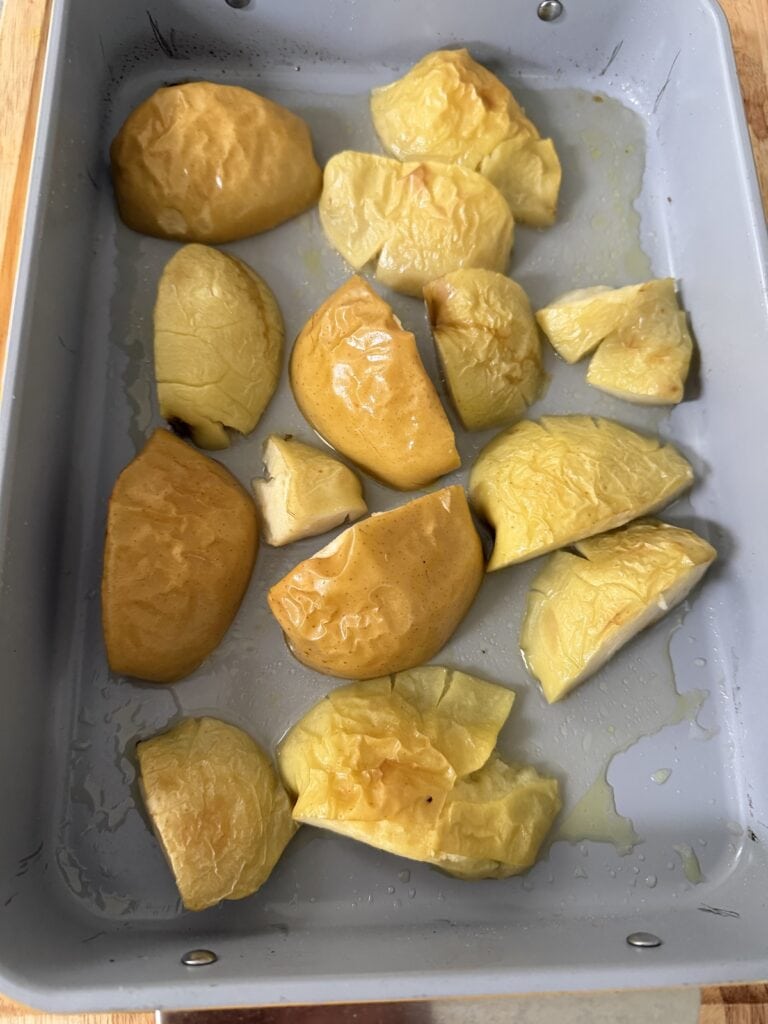
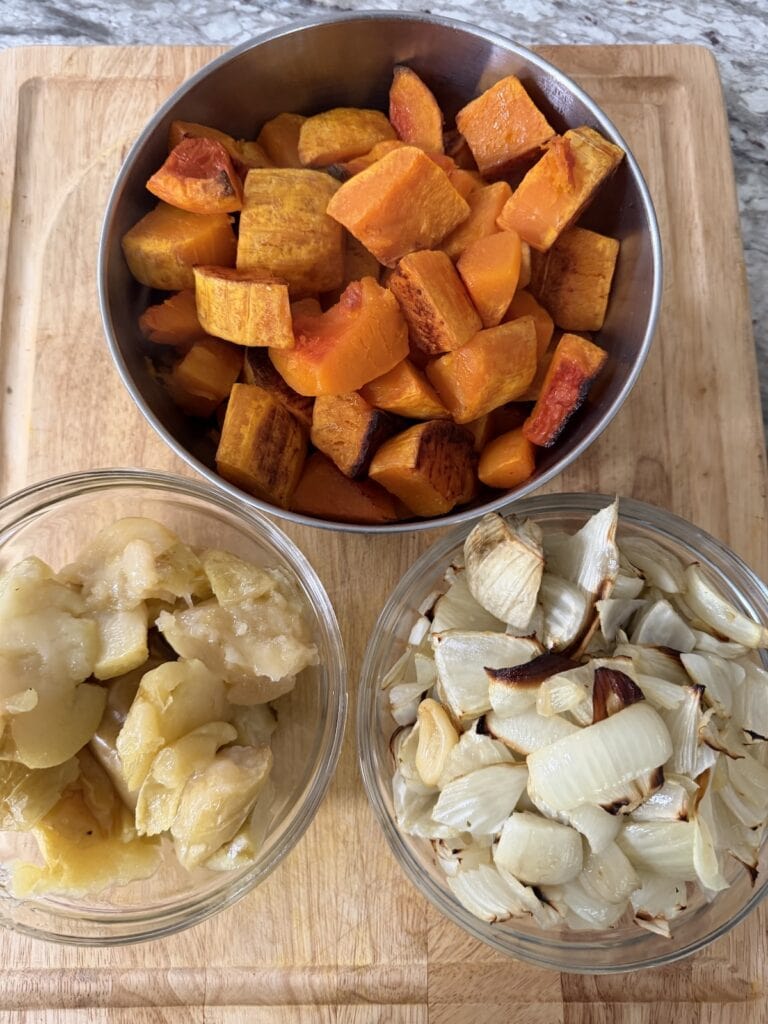
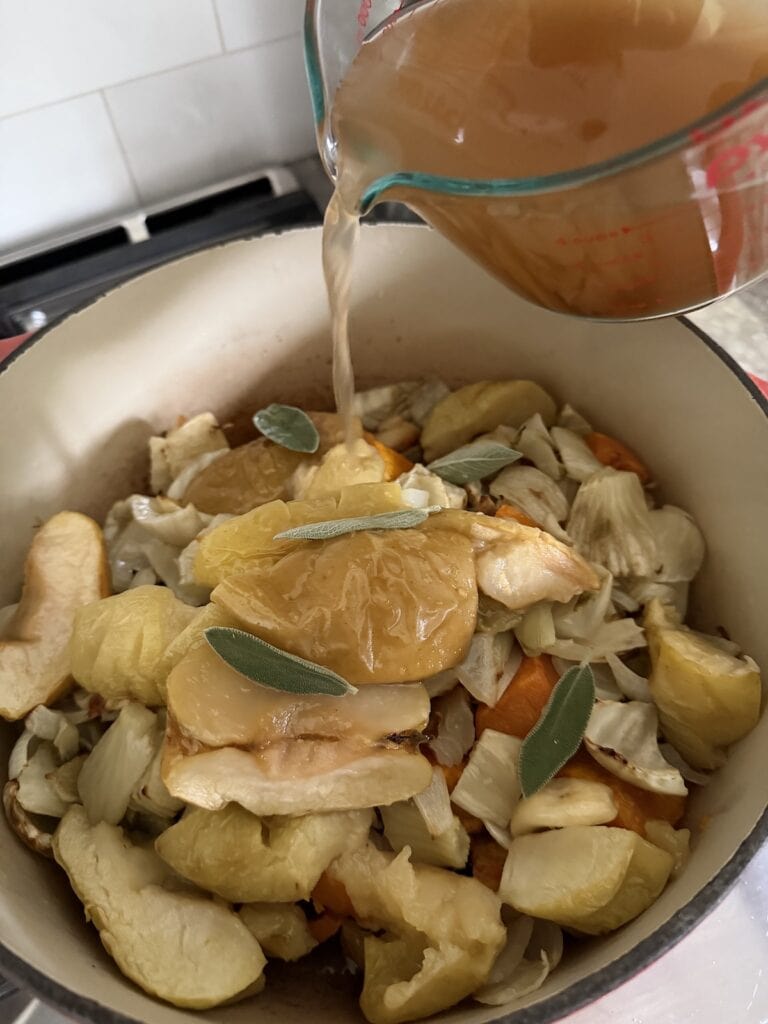
- Transfer everything to a large pot or Dutch oven with the vegetable broth, sage and spices. Simmer briefly to bring all the flavors together.
- Then turn off the heat and purée everything right in the pot with an immersion blender. Stir in the fresh lemon juice, taste and adjust the seasonings and consistency as needed. That’s it!
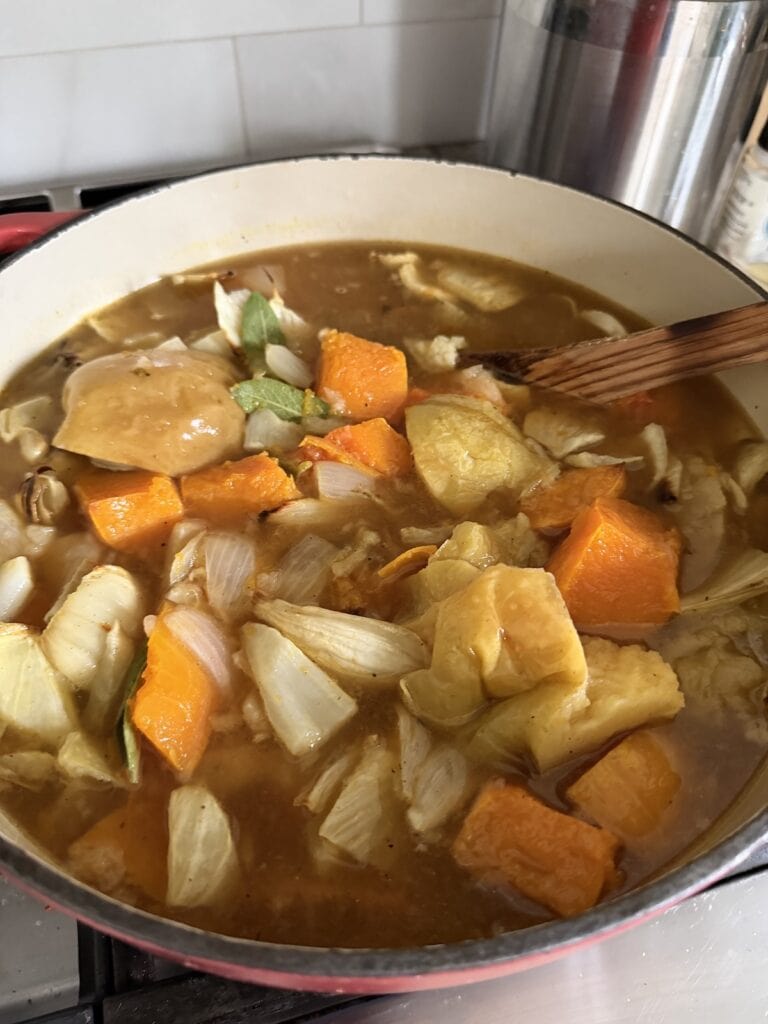
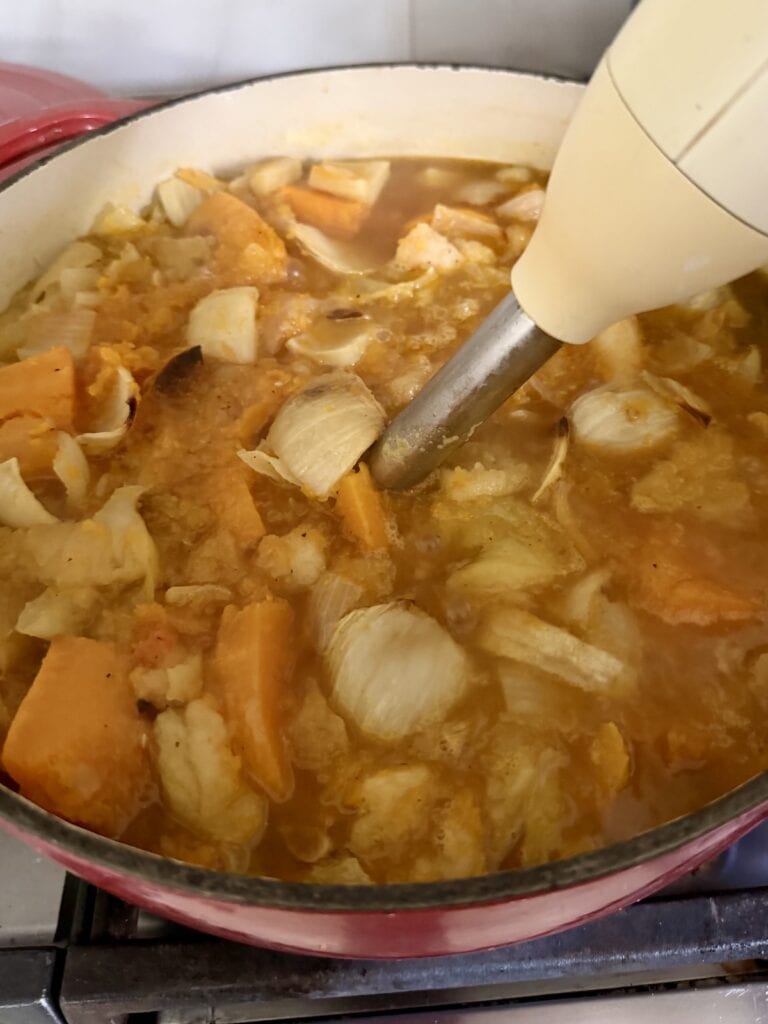
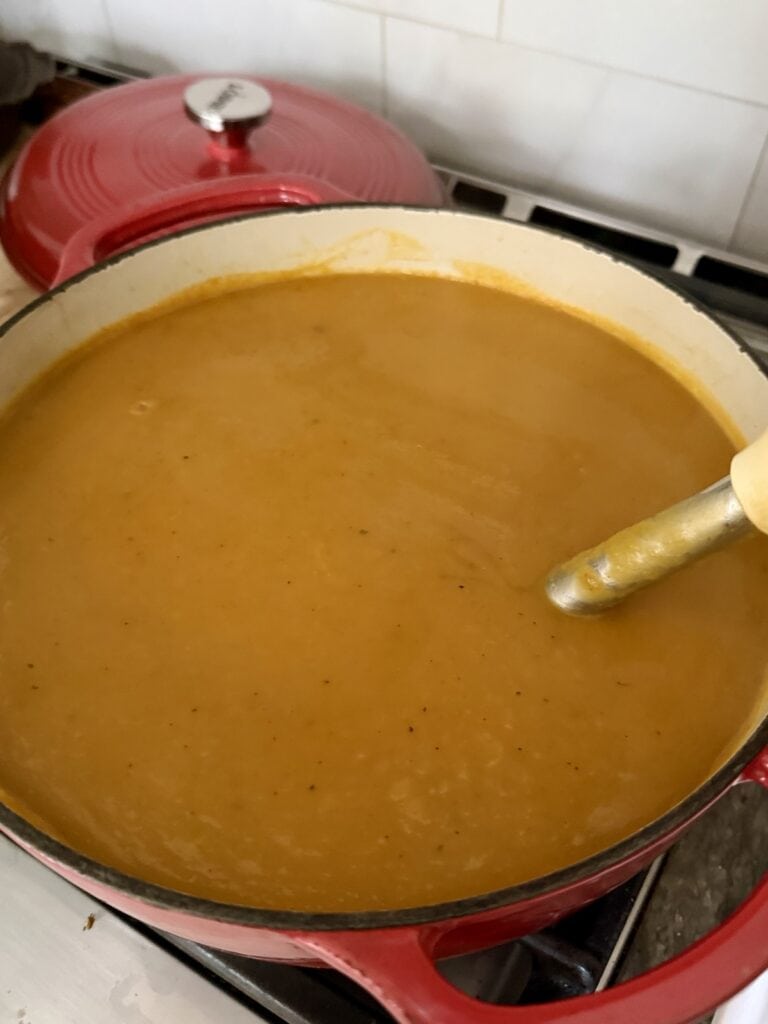
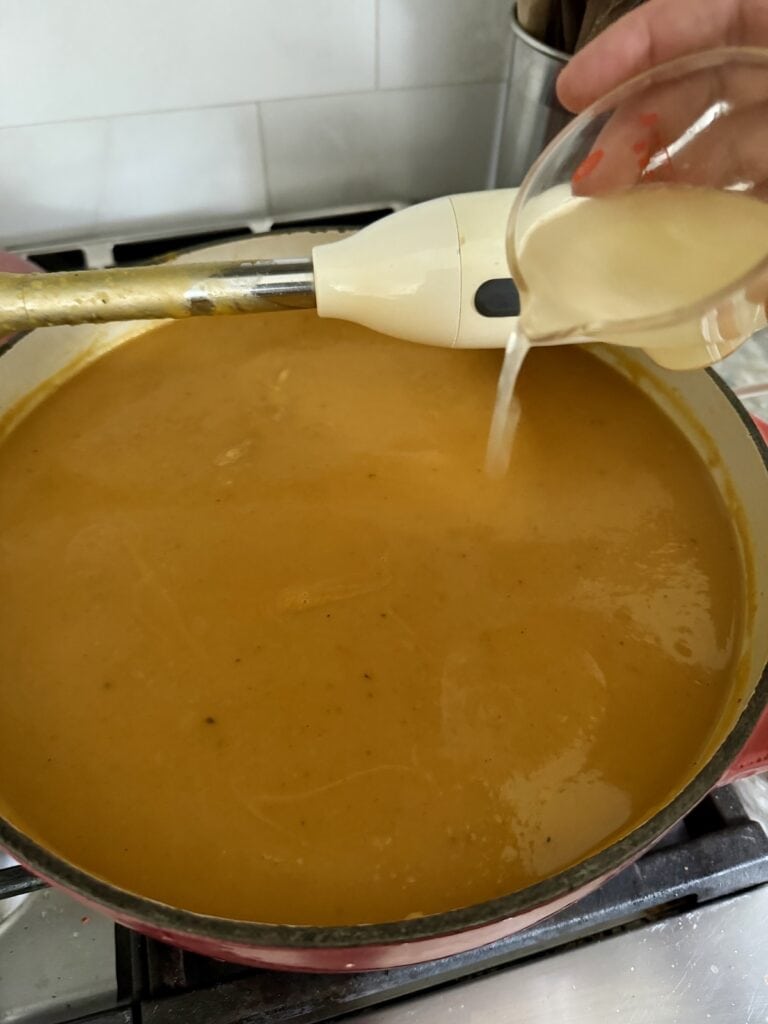
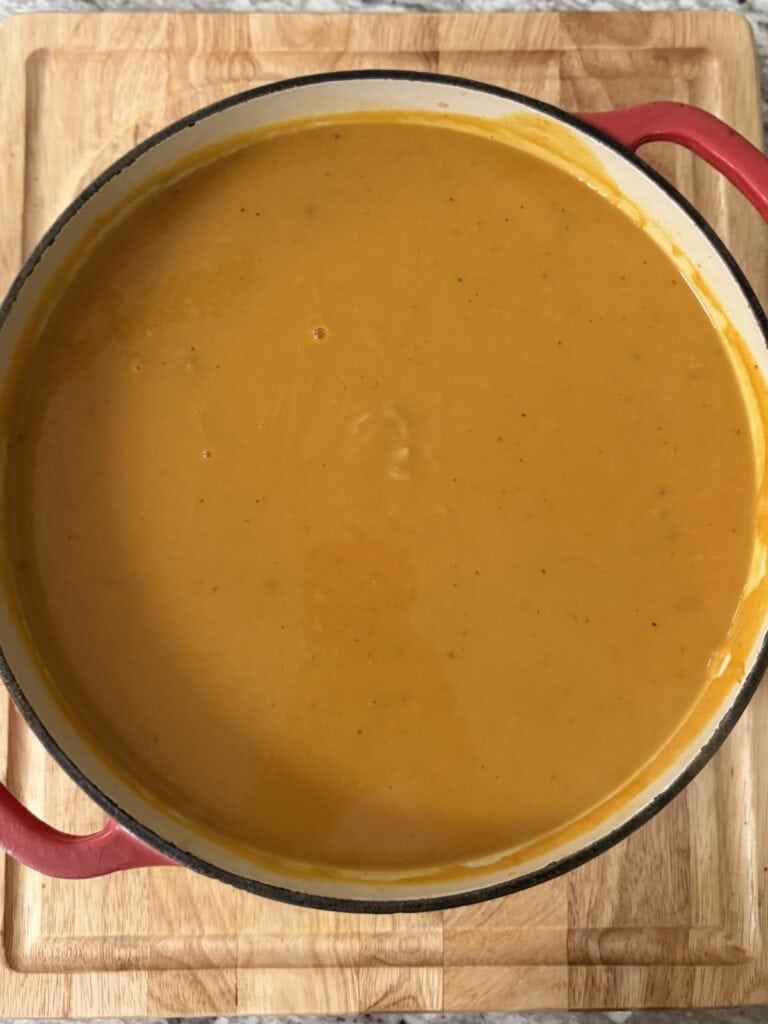
Why I Recommend an Immersion Blender
An immersion blender is one of my favorite tools for making puréed soups. It goes directly into the pot, so there’s no need to ladle very hot soup into a countertop blender in batches—and fewer dishes to wash!
Keep the blade submerged while it’s running and move the blender around the pot until the soup is completely smooth.
If you don’t have an immersion blender, you can still use a countertop blender. Let the soup cool somewhat first, work in small batches and follow the manufacturer’s directions for blending warm or hot liquids.
For a few other fall favorites, check out Creamy Mushroom Pappardelle, Chicken Marsala Stuffed Mushrooms, Creamy Sausage Pasta with Mushrooms and Roasted Romanesco Broccoli.
Recipe Variations and Substitutions
I really like this Roasted Butternut Squash Soup just as it is, but there are a few easy ways to change it up:
- Try another winter squash. Although I haven’t tested each one specifically in this recipe, acorn squash, delicata or pumpkin should work beautifully in place of some or all of the butternut squash. Sweet potato would also be a natural fit.
- Make it richer. Stir in a little coconut milk or heavy cream after puréeing if you’d like an even richer, creamier soup.
- Change the herbs. Thyme works well in place of some or all of the sage.
- Make it sweeter. Add a pinch of cinnamon and/or a small drizzle of maple syrup.
- Adjust the heat. Leave the cayenne out completely or increase it slightly for more of a kick.
If you love the apple-and-root-vegetable combination, try my Sweet Potato Soup with Apples as well. That soup has a sweeter flavor profile and uses a different, non-roasted method.
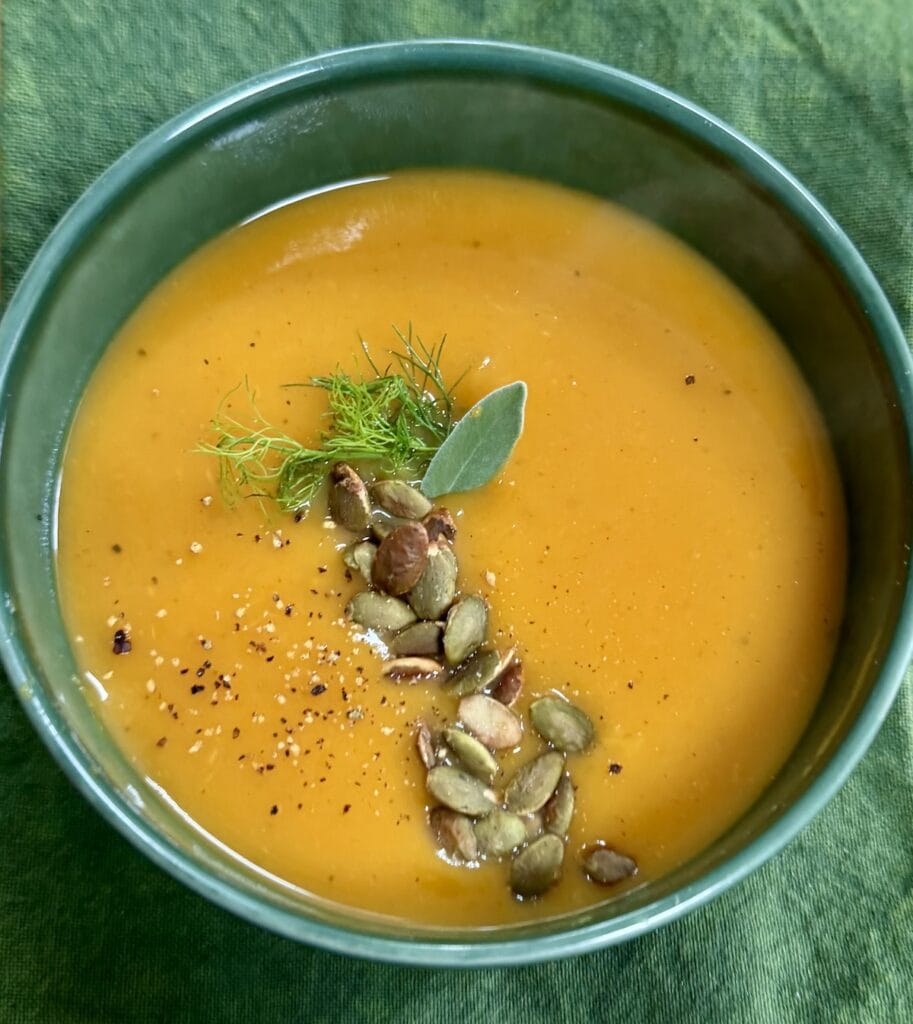
Serving Suggestions
This soup would be a beautiful addition to a Thanksgiving menu or just about any fall dinner.
Serve a smaller portion as a starter or turn it into a light meal with a salad, sandwich or some garlic bread.
For garnish, I especially love a drizzle of earthy pumpkin seed oil with toasted pumpkin seeds, freshly ground black pepper and a few fennel fronds. For a sweeter finish, try a little cinnamon and a light drizzle of maple syrup.
Make Ahead, Leftovers & Freezing
This is a great soup to make ahead. Store it in an airtight container in the refrigerator for up to 3 days or freeze for up to 3 months.
Reheat gently over medium-low heat, stirring occasionally. The soup will thicken as it sits, so add a little vegetable broth or water as needed to reach your preferred consistency.
You can also roast the butternut squash up to 2 days ahead and refrigerate it until you’re ready to make the soup.
Frequently Asked Questions
Roasting encourages browning and caramelization, creating deeper, sweeter and more complex flavor than simply simmering raw squash in broth. Cutting the squash into chunks also creates more surface area for browning.
The soup gets its creamy texture entirely from the roasted butternut squash, apples, fennel and other vegetables. Once they’re very tender and thoroughly puréed, they naturally create a thick, smooth and creamy consistency without dairy or coconut milk.
No. Peeling the apples is optional since everything is ultimately puréed until smooth. If you prefer an especially refined texture—or simply don’t want the peels—feel free to remove them.
Absolutely! Pre-peeled, cubed butternut squash is a great shortcut if you don’t want to peel and cut a whole squash yourself. You’ll need about 2 pounds for this recipe.
Most likely. Although I haven’t tested each one in this exact recipe, other winter squashes such as acorn, delicata and pumpkin should work well. Keep in mind that sweetness, moisture content and final texture can vary depending on the squash you choose.
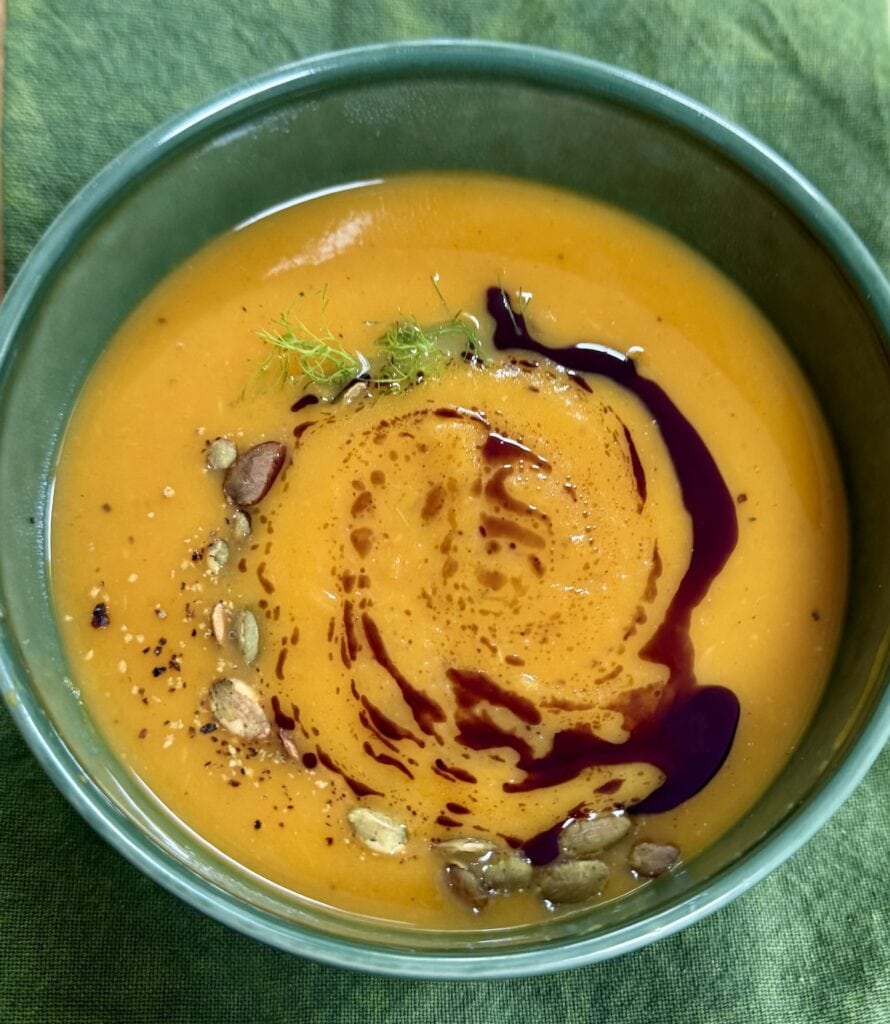
Cozy, Creamy and Perfect for Fall
This Roasted Butternut Squash Soup is everything I want in a fall soup—warm, comforting and full of seasonal flavor, while still being incredibly simple.
I especially love that all that creamy texture comes naturally from the roasted squash, apples and vegetables—no cream necessary! Whether you serve it for Thanksgiving, as a starter for a fall dinner or simply with some crusty bread for lunch, I hope it becomes one of your cold-weather favorites, too.
Mangia bene!
More Great Soup Recipes To Try
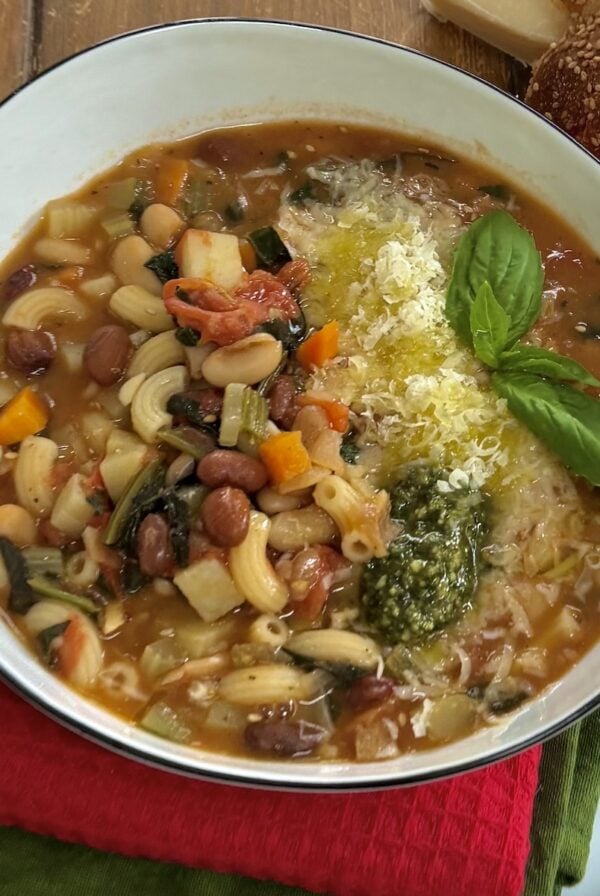
- Minestrone–the seasonal classic that everyone loves
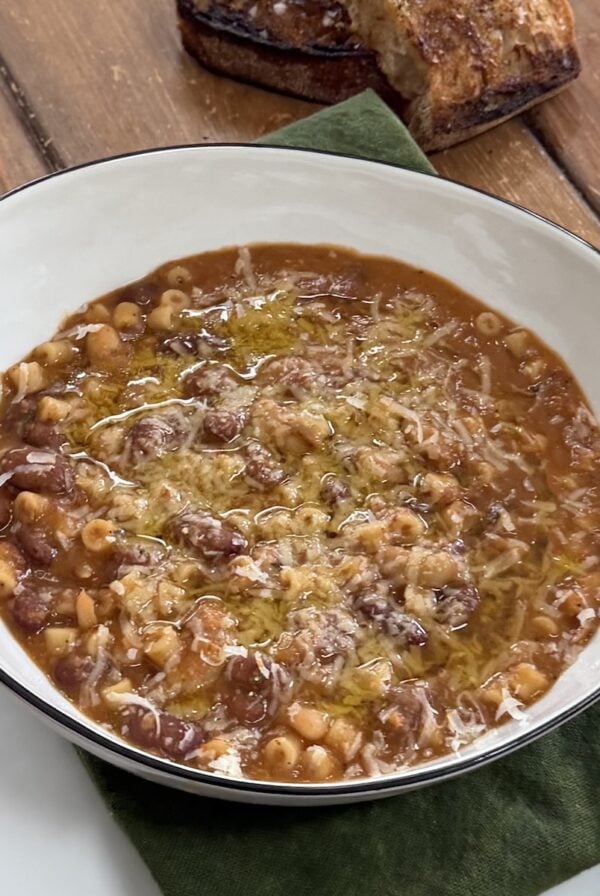
- Pasta Fazool (Pasta with Beans)–a humble soup with big flavor and texture
- Wedding Soup–a hearty meatball and escarole soup in meat broth
- Ribollita–a classic Tuscan vegetable and bean soup thickened with bread and served on day 2
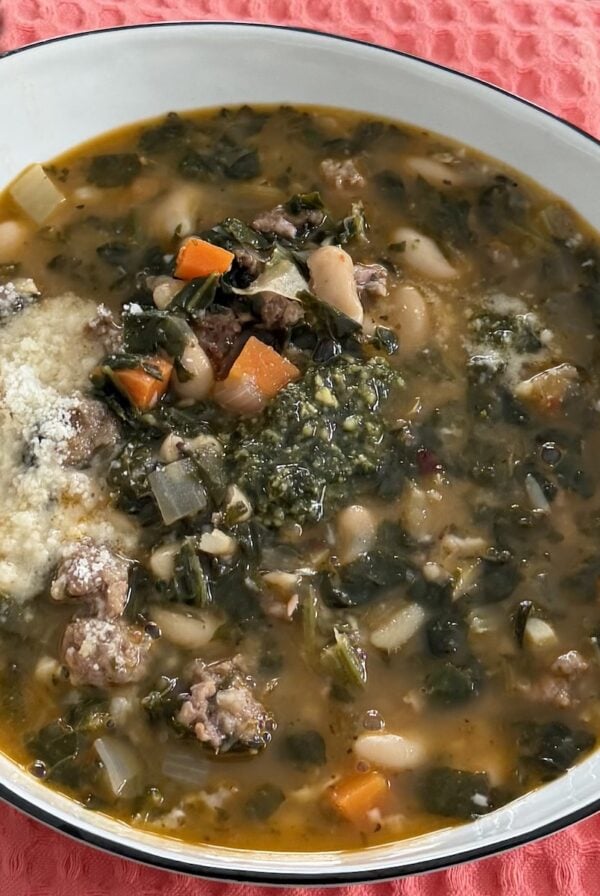
- White Bean and Sausage Soup–a delicious pairing of cannellini beans with Italian sausage and spinach
Roasted Butternut Squash Soup with Fennel and Apple
Video
Equipment
- Cut Resistant Glove (optional)
- Large pot (or Dutch oven)
Ingredients
- 1 (2 ½-3 pounds) butternut squash , (See Notes.)
- 1 large fennel bulb, about 1½ pounds, if possible, save some fennel fronds for garnish
- ½ large yellow or Spanish onion, about 8 ounces
- 2 large apples, about 1 pound, peeling is optional (See Notes.)
- 3-4 garlic cloves
- Olive oil , or other neutral oil for roasting
- 6 cups vegetable broth, use low- or no-sodium if possible
- 3-4 sage leaves
- ½ tsp salt
- ¼ tsp ground black pepper
- ¼ tsp ground nutmeg
- Pinch cayenne pepper, (optional)
- 2 Tbsp fresh lemon juice, See Notes.
- Optional Garnishes: , freshly ground black pepper, toasted pumpkin seeds, pumpkin seed oil, fennel fronds, ground cinnamon, maple syrup
Instructions
- Prep and gather all ingredients according to specifications above. Place a rack in the top 1/3 and a second rack in the bottom ⅓ of the oven and preheat it to 425°F. Use the convection setting if your oven has that option. (Please see the section above in the blog post for Step-By-Step instructions with photos.)
- Prep Vegetables and ApplesNOTE: Keep all items in separate bowls.Cut the butternut squash into 1- 1½” chunks. (See Notes below for details on this.) Core the fennel and cut it into 1” chunks. Peel and cut the onion into 1” chunks. Core the apples and cut them in quarters, peeling them first if desired. Peel the garlic cloves.1 (2 ½-3 pounds) butternut squash , 1 large fennel bulb, ½ large yellow or Spanish onion, 2 large apples, 3-4 garlic cloves
- Toss the diced butternut squash very lightly with oil, then spread it out in an even layer on a parchment-lined sheet pan.
- Combine the prepped fennel, onions and garlic cloves and toss them very lightly with oil. Spread them out in an even layer on a parchment-lined sheet pan.
- Finally, rub the apple halves with a little oil and place them on a separate pan or baking dish.
- Roast Veggies and ApplesPlace the butternut squash on the lower rack in the oven and the other veggies and apples on the higher rack.
- Roast all veggies and apples in the 425°F preheated oven until tender and caramelized. Remove the apples after about 20 minutes, then rotate the other sheet pans and continue roasting another 20-25 minutes.
- SimmerTransfer all the roasted vegetables and apples to a large pot or Dutch oven. Add the vegetable broth, sage and spices and turn the heat to high. Cover and bring the mixture to a simmer. Reduce the heat as needed to maintain a gentle simmer and cook for 8–10 minutes, stirring a few times.NOTE: All the ingredients are cooked; the simmering is to develop the soup’s flavors.6 cups vegetable broth, 3-4 sage leaves, ½ tsp salt, ¼ tsp ground black pepper, ¼ tsp ground nutmeg, Pinch cayenne pepper
- Puree & FinishTurn the heat off and carefully puree the soup until smooth using an immersion blender. Add the fresh lemon juice and continue pureeing.See Notes below for lots of information about using one if you never have before.
- Taste the soup and adjust the flavor as needed. If you prefer a thinner soup, add a bit more broth.
- Serve while hot. I love to add alight drizzle of earthy pumpkin seed oil and a sprinkling of toasted pumpkin seeds and freshly ground black pepper to my bowl, but ground cinnamon and a touch of maple syrup work as well for a sweeter slant. It’s completely up to you and the soup is great without any garnishes as well. Buon Appetito!
Notes
- Pick a butternut squash that feels heavy and dense for its size, is fully tan or cream with no green or yellow patches and does not have any soft or mushy parts.
- You’ll need about 2 pounds diced, raw butternut, so start with a squash that’s about 2½ –3 pounds. You’ll lose some weight from trimming, peeling and deseeding.
- After roasting, you should have about 1½ pounds total roasted butternut squash. If you have extra, just use it for another purpose. It goes great tossed into a salad or enjoyed on its own as a side dish.
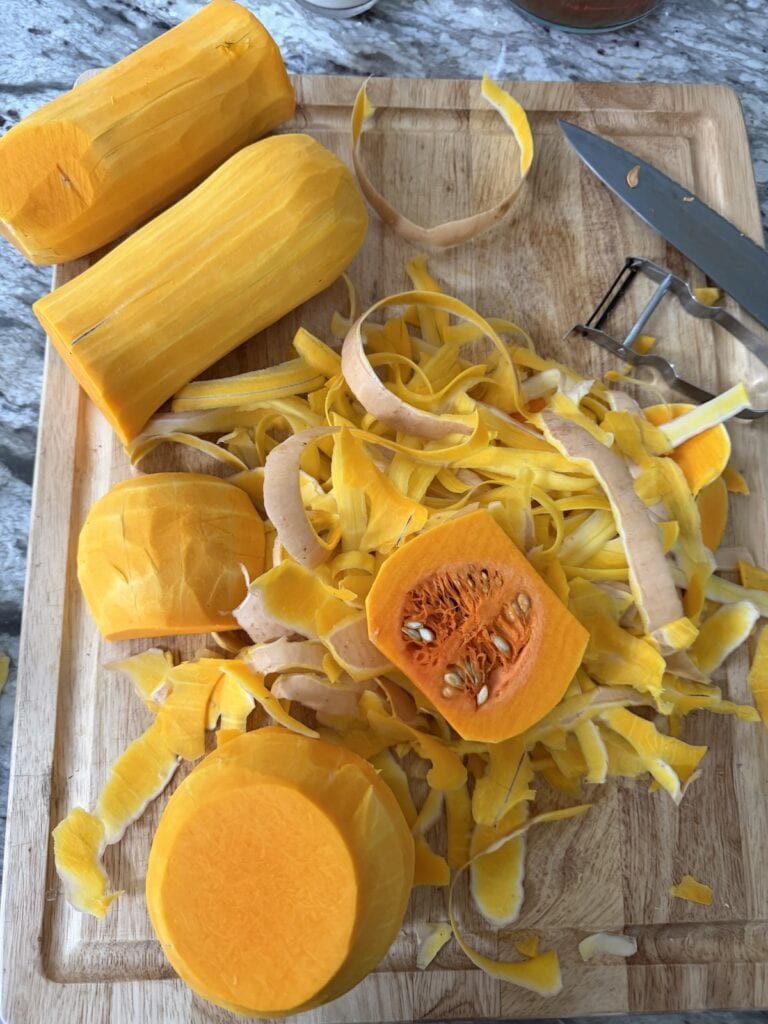
- Scrub the outside of the squash clean.
- Slice about ¼” or so off both ends of the squash revealing the orange flesh.
- Use a sharp vegetable peeler to remove the tough outer skin. You may need to peel it a couple of times until you see the bright orange squash flesh.
- Then, use a sharp knife to cut the neck and bulb apart.
- Slice the bulb in half and scoop out all the seeds and fibers with a spoon.
- Then cut both the neck and bulb pieces into cubes that are approximately 1- 1½” dice.
- The size is not that important as, ultimately, the squash will be pureed in the soup. But it’s important to cube/chunk the squash to get a good amount of caramelization, which will add flavor to the soup.
- You can roast the butternut squash up to 2 days in advance of making the soup. Just store it in an airtight container in the refrigerator until you need it.
- NOTE: If you feel skittish about prepping butternut squash, you have two options: (1) buy pre-peeled squash in chunks (which is generally available in grocery stores year-round), or (2) use a cut-resistant glove (linked above), which I find very handy!
- You can use almost any apple here except really tart Granny Smith apples. Honeycrisp apples work great, as well as lightly tart apples like Pink Lady, Gala, Braeburn McIntosh, Jonathan, Jonagold, Empire and Cortland.
- Excess tartness can always be adjusted with a touch of maple syrup.
- In a pinch, you can also use pears in this soup.
- Soup leftovers can be stored in the refrigerator in an airtight container for up to 3 days or in the freezer for up to 3 months.
- Consider portioning extra soup into containers to enjoy down the road! Reheat it slowly over medium-low heat while stirring, adding additional broth or water if needed.
- It’s best to turn the heat off before using it. It can be turned back on when you’re done.
- Immerse it in the liquid before turning it on.
- Keep it moving for best results and do not hold it steady in one place. Immersion blenders do their best work when moved around and tilted while blending. This helps the blender to pick up all ingredients and purée evenly.

love soup?
Get My Cookbook!
Ditch the dish and embrace the bowl with Soupified: Soups Inspired by Your Favorite Dishes!
Available in ebook, paperback and hardcover.

Definitely making this for Thanksgiving this year!